
As the senior population grows, the demand for more effective, compassionate, and efficient care solutions rises. AI personalization senior care is rapidly transforming how older adults receive support, helping caregivers and families provide tailored assistance while enhancing quality of life. By leveraging artificial intelligence, technology can now adapt to the unique needs, preferences, and health conditions of each individual, making care more responsive and proactive than ever before.
This article explores how smart technologies are reshaping elderly care, the benefits and challenges of personalized AI-driven solutions, and what families, caregivers, and providers should consider when adopting these innovations. For those interested in broader impacts, the AI insurance impact senior care is also a growing area of interest, affecting costs and coverage options.
Understanding Personalized AI Solutions for Elderly Support
Artificial intelligence is no longer just a buzzword in healthcare. In the context of older adult care, personalization means using data and smart algorithms to deliver services that fit each person’s medical history, routines, and lifestyle. This approach goes beyond generic reminders or monitoring; it adapts to changing needs, predicts potential health issues, and even learns preferences over time.
For example, AI-powered platforms can analyze patterns in daily activity, medication adherence, and vital signs. If a senior’s walking speed slows or sleep quality drops, the system can alert caregivers or suggest interventions. This level of customization helps prevent emergencies and supports independent living longer.
Key Benefits of AI-Driven Personalization in Senior Living
- Improved Safety: Smart sensors and monitoring tools can detect falls, wandering, or unusual behavior, notifying caregivers instantly.
- Health Management: AI tracks vital signs, medication schedules, and chronic conditions, providing real-time feedback and alerts.
- Enhanced Engagement: Personalized recommendations for activities, exercise, and social interaction help reduce loneliness and cognitive decline.
- Reduced Caregiver Burden: Automation and predictive analytics free up time for human caregivers, allowing them to focus on emotional and complex needs.
- Cost Efficiency: Early detection and tailored interventions can lower hospitalizations and long-term care expenses.
How AI Personalization Senior Care Devices Work
Devices and platforms designed for older adults use a combination of sensors, cloud computing, and machine learning to gather and interpret data. Wearables, smart home hubs, and health monitoring tools are common components. These devices learn from daily routines and can adjust their responses accordingly.

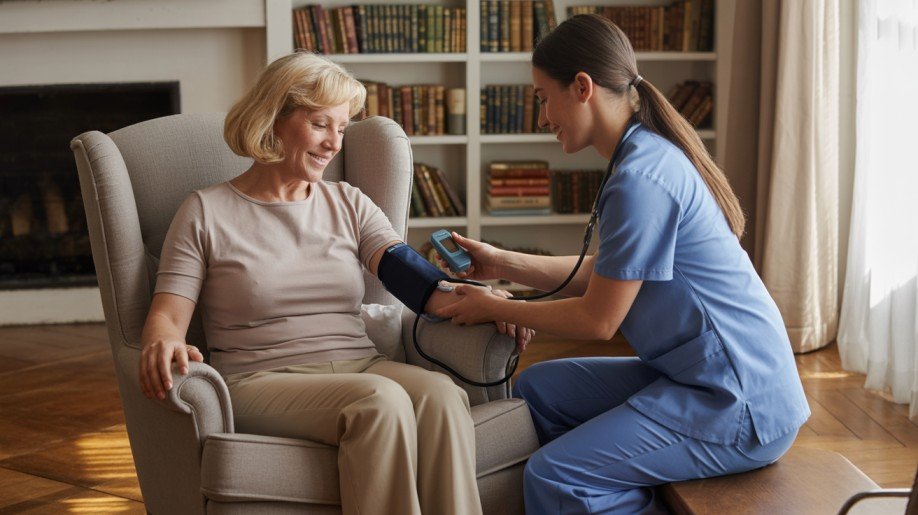
For instance, a wearable device might monitor heart rate, blood pressure, and movement. If it detects irregularities, it can prompt the user to rest, remind them to take medication, or contact a caregiver. Over time, the system refines its recommendations based on what works best for the individual.
Smart cameras and home sensors can also play a role, providing peace of mind for families and enabling remote monitoring without being intrusive. These technologies are especially valuable for those with mobility challenges or memory issues.
Challenges and Considerations in Adopting Personalized AI for Seniors
While the advantages are significant, there are important factors to consider when integrating AI-driven solutions into elderly care:
- Privacy and Security: Handling sensitive health data requires robust protection against breaches and misuse.
- Ease of Use: Devices must be intuitive for older adults, many of whom may not be tech-savvy.
- Cost and Accessibility: Not all families or facilities can afford the latest technology, and insurance coverage may vary.
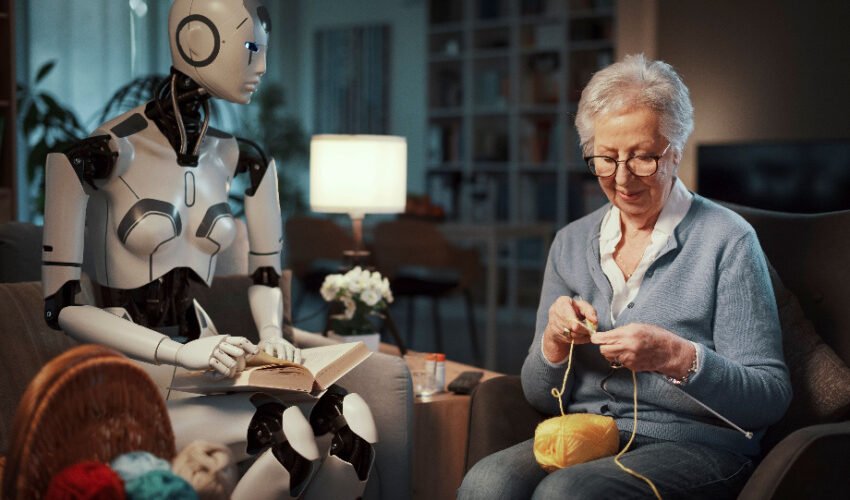
- Integration with Human Care: AI should complement, not replace, the human touch that is vital in caregiving.
- Adoption Barriers: Resistance to change, lack of digital literacy, and concerns about reliability can slow adoption. For a deeper look, see AI adoption barriers elderly care.
Real-World Applications: From Health Monitoring to Social Engagement
The range of applications for AI personalization senior care continues to expand. Some of the most promising areas include:
- Remote Health Monitoring: Continuous tracking of vital signs and activity levels enables early intervention and reduces hospital visits.
- Medication Management: Smart pill dispensers and reminders help prevent missed doses and adverse drug interactions.
- Fall Detection and Prevention: AI-powered sensors can identify risky movement patterns and alert caregivers before accidents happen.
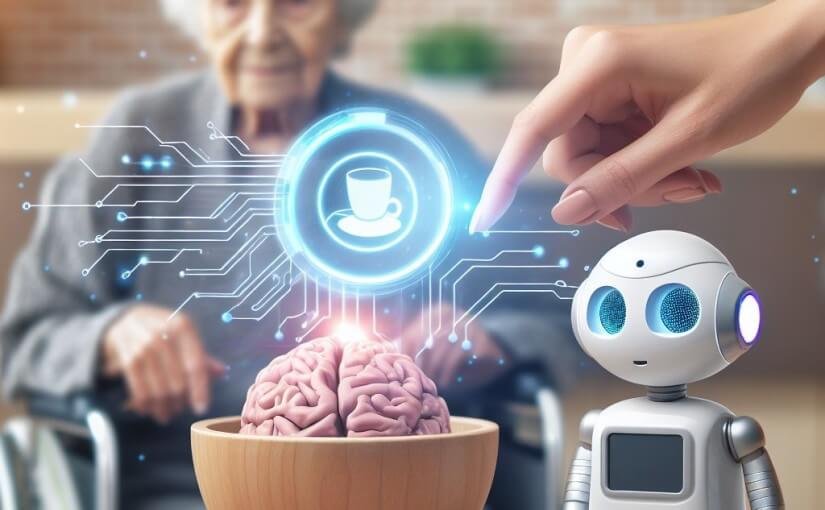
- Cognitive Support: Personalized reminders, games, and virtual assistants help maintain mental sharpness and daily routines.
- Social Connection: AI-driven platforms can suggest video calls, group activities, or community events based on interests and past participation.

These solutions are not just theoretical. Many assisted living communities and home care providers are already seeing the benefits of AI-driven personalization. For example, integrating smart monitoring can help reduce caregiver workload, as discussed in AI workload reduction caregivers.
Cost, Value, and the Future of Personalized Senior Care
One of the most common questions about adopting AI in elderly support is whether the investment is worthwhile. While upfront costs can be significant, the long-term savings from reduced hospitalizations, improved health outcomes, and greater independence are substantial. For an in-depth analysis, see AI cost savings elderly care.
As technology advances, expect even more sophisticated and affordable options. The future will likely bring seamless integration between AI, wearable devices, and human caregivers, creating a holistic approach to aging in place.
For a broader perspective on how artificial intelligence is shaping retirement living and healthcare, the role of AI in enhancing retirement living and healthcare is well worth exploring.
Choosing the Right AI-Enabled Tools for Elderly Loved Ones
Selecting the best solution depends on the individual’s health status, living arrangement, and comfort with technology. Here are a few tips:
- Start with a needs assessment—identify which daily activities or health concerns require the most support.
- Look for devices with user-friendly interfaces and strong customer support.
- Ensure compatibility with existing medical devices or care routines.
- Review privacy policies and data security measures.
- Consider pilot programs or trial periods before full adoption.
Family involvement is key. Engage seniors in the decision-making process and provide training or support as needed. For those monitoring loved ones from a distance, AI for family caregiver monitoring offers practical solutions.
Frequently Asked Questions
How does AI personalization improve safety for seniors?
By continuously monitoring activity, health metrics, and environmental factors, AI systems can detect risks such as falls, wandering, or medication errors. Instant alerts and predictive analytics help prevent emergencies and support timely interventions.
Are AI-powered senior care devices difficult to use?
Most modern devices are designed with simplicity in mind, featuring intuitive interfaces, voice controls, and clear instructions. However, some seniors may need initial training or ongoing support to feel comfortable with the technology.
What about privacy concerns with AI in elderly care?
Privacy and data security are critical. Reputable providers use encryption and strict access controls to protect sensitive information. Always review privacy policies and choose solutions that comply with healthcare regulations.
Can AI replace human caregivers?
While AI can automate routine tasks and enhance monitoring, it is not a substitute for the empathy, companionship, and complex decision-making provided by human caregivers. The best results come from integrating technology with personal care.