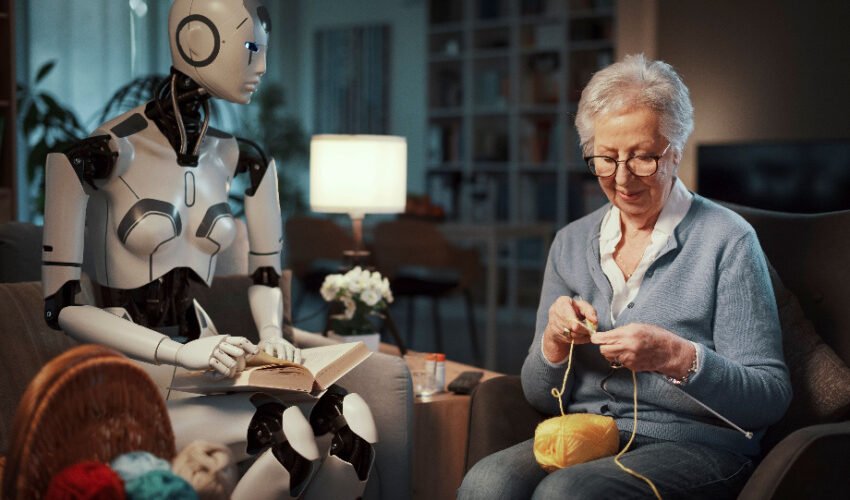

As artificial intelligence becomes more integrated into daily life, its impact on older adults is increasingly significant. From voice assistants to smart home devices, AI-powered technology offers new opportunities for independence, safety, and social connection. However, AI usability for seniors presents unique challenges that can limit adoption and effectiveness. Understanding these barriers is essential for developers, caregivers, and families seeking to bridge the digital divide and ensure technology truly benefits the aging population.
This article explores the main obstacles older adults face when interacting with AI systems, practical strategies for improving accessibility, and the broader implications for elder care. For a deeper look at how technology is transforming the economics of care, see our analysis on AI insurance impact senior care.
Understanding Barriers in AI Usability for Seniors
Many older adults encounter difficulties when using AI-driven devices and applications. These challenges stem from a combination of physical, cognitive, and emotional factors, as well as design choices that may not prioritize accessibility for all age groups. Addressing these issues is key to improving AI usability for seniors and ensuring that technology serves as a support rather than a source of frustration.
- Physical limitations: Age-related changes such as reduced vision, hearing loss, and decreased dexterity can make it hard to interact with touchscreens, small buttons, or voice interfaces that require clear speech.
- Cognitive barriers: Memory decline, slower information processing, and unfamiliarity with digital concepts can hinder effective use of AI systems, especially those with complex navigation or abstract commands.
- Emotional factors: Anxiety about making mistakes, fear of breaking devices, and lack of confidence can discourage seniors from exploring new technology.
- Design shortcomings: Many AI products are not developed with older users in mind, resulting in interfaces that are not intuitive, lack clear feedback, or require multi-step processes that can be overwhelming.
Common AI Devices and Their Accessibility Issues
The range of AI-enabled products used by older adults is expanding, from smartwatches and health monitors to home assistants and security cameras. While these devices offer convenience and peace of mind, their design often fails to account for the needs of seniors.
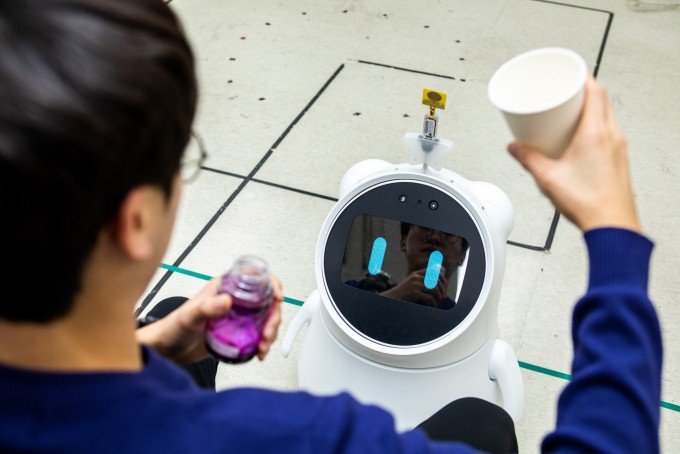
- Voice assistants: Devices like smart speakers can be helpful, but they often struggle to recognize speech from users with softer voices or accents. Seniors may also forget the correct command phrases or feel uncomfortable speaking to a device.
- Wearables: Smartwatches and fitness trackers are valuable for health monitoring, but small screens and complex menus can be hard to navigate. For more on the financial impact of these technologies, see our article on AI cost savings elderly care.
- Home security and monitoring: Cameras and sensors can enhance safety, but setup and troubleshooting often require technical skills or smartphone use, which may not be intuitive for everyone.
Designing AI Interfaces with Older Adults in Mind
Improving AI usability for seniors begins with inclusive design. Developers and product teams should prioritize accessibility from the earliest stages of development, incorporating feedback from older users and testing with diverse age groups.
- Simple, clear interfaces: Large buttons, high-contrast text, and uncluttered layouts make navigation easier for those with visual or motor impairments.
- Consistent feedback: Devices should provide clear audio or visual cues to confirm actions, reducing uncertainty and building user confidence.
- Customizable settings: Allowing users to adjust font size, volume, and interface complexity helps accommodate a range of abilities and preferences.
- Guided onboarding: Step-by-step tutorials, help prompts, and accessible documentation can ease the learning curve and encourage exploration.
For a closer look at the obstacles to technology adoption in this demographic, see our discussion of AI adoption barriers elderly care.
Social and Emotional Considerations in AI Adoption
Beyond technical design, emotional factors play a major role in how older adults perceive and use AI. Loneliness, social isolation, and the desire for meaningful interaction can shape attitudes toward technology. AI companions and virtual assistants have shown promise in addressing these needs, but only if they are perceived as trustworthy and easy to use.
According to a recent Forbes report on AI companions in elder care, these technologies can help reduce loneliness, improve safety, and scale support for seniors. However, the success of such solutions depends on addressing both practical and emotional barriers to adoption.
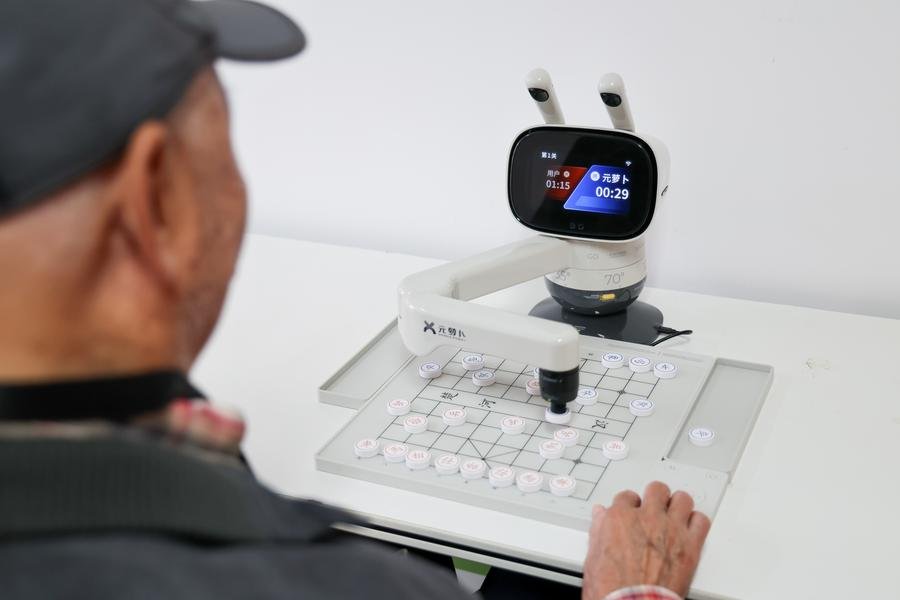
Family members and caregivers also play a vital role in encouraging positive experiences with AI. Providing support, offering patience, and helping with setup can make a significant difference in overcoming initial resistance or confusion.
Practical Steps to Enhance AI Usability for Seniors
Making AI technology more accessible to older adults requires a collaborative approach. Here are some actionable recommendations for developers, caregivers, and families:
- Involve seniors in testing: Gather feedback from older adults throughout the design and development process to identify pain points and usability issues.
- Provide ongoing education: Offer workshops, tutorials, or one-on-one training to build digital literacy and confidence.
- Support personalization: Encourage users to tailor device settings to their preferences, making technology feel more approachable and less intimidating.
- Leverage caregiver tools: Explore solutions that allow family members or caregivers to monitor and assist with device management remotely. For example, see our guide on AI for family caregiver monitoring.
- Choose age-friendly products: When selecting devices, prioritize those with proven accessibility features and positive reviews from older users.
Looking Ahead: The Future of AI and Senior Accessibility
As the global population ages, designing technology that meets the needs of older adults will become increasingly important. Advances in natural language processing, adaptive interfaces, and personalized AI have the potential to make digital tools more intuitive and empowering for everyone.
By focusing on AI usability for seniors, developers and caregivers can help ensure that innovation leads to greater independence, safety, and well-being for the elderly. Continued research, inclusive design, and community engagement will be essential to closing the usability gap and realizing the full promise of AI in elder care.
Frequently Asked Questions
What are the main challenges older adults face with AI technology?
Seniors often encounter difficulties such as small or complex interfaces, unclear voice recognition, and a lack of confidence in using new devices. Physical limitations, cognitive changes, and emotional barriers can all contribute to these challenges.
How can AI products be made more accessible for elderly users?
Developers should focus on simple layouts, large buttons, customizable settings, and clear feedback. Involving older adults in the design and testing process helps ensure that products address real-world needs and limitations.
Are there AI solutions specifically designed for seniors?
Yes, some companies are creating AI-powered devices and applications tailored to the needs of older adults, such as simplified smartwatches, voice assistants with enhanced recognition, and monitoring systems for caregivers. Choosing products with proven accessibility features is key.