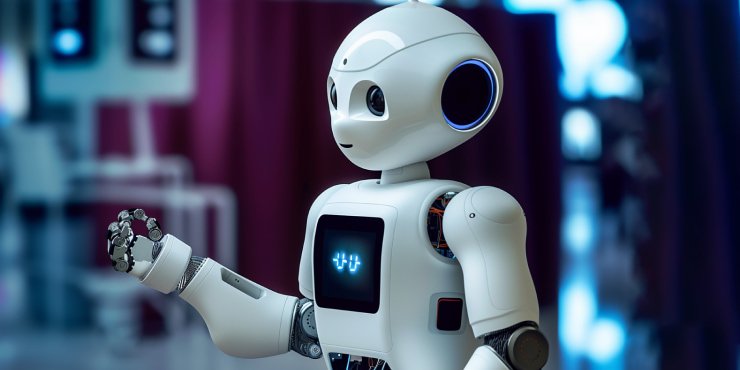

In the ever-evolving landscape of technology, the concepts of AI vs IoT in smart homes have become increasingly significant. Both Artificial Intelligence (AI) and the Internet of Things (IoT) are pivotal in transforming our living spaces into smart homes. But how do they differ, and how do they work together to enhance our daily lives?
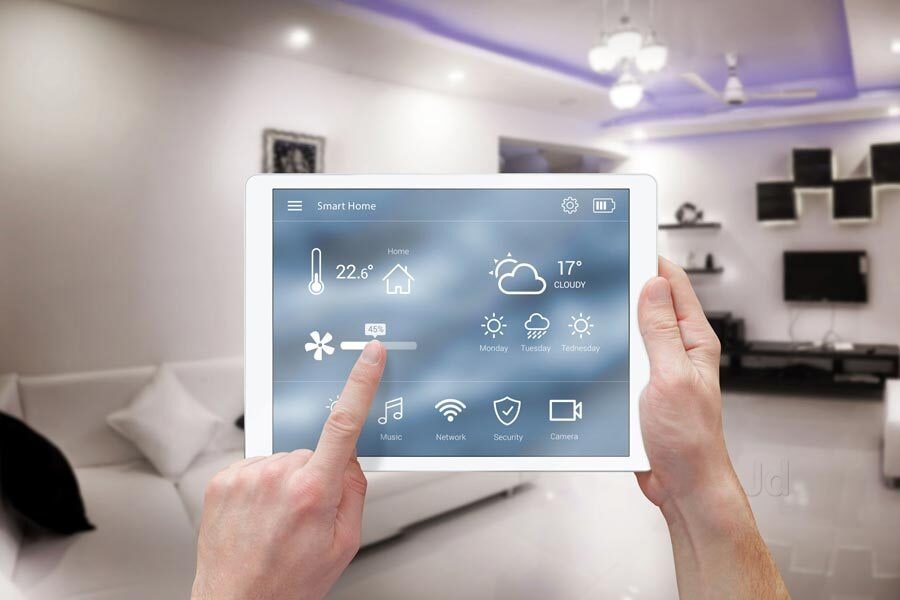
What is AI in Smart Homes?
AI, or Artificial Intelligence, refers to the simulation of human intelligence in machines. In smart homes, AI systems can learn from data, recognize patterns, and make decisions with minimal human intervention. From voice assistants like Alexa to predictive maintenance systems, AI is integral to creating an automated home environment.
Benefits of AI in Smart Homes
AI enhances convenience and efficiency in smart homes. With AI, homes can anticipate the needs of their occupants, adjusting lighting, temperature, and entertainment systems accordingly. AI systems also improve security by learning the habits of residents and identifying unusual activities.
What is IoT in Smart Homes?
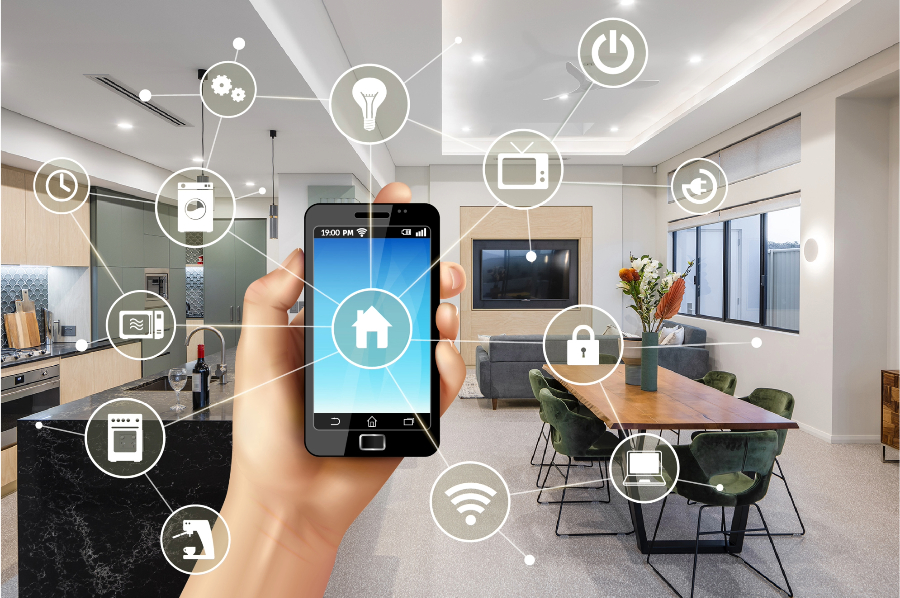
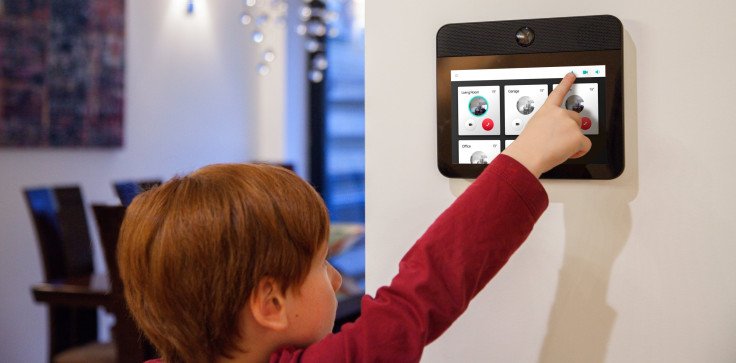
The Internet of Things, or IoT, refers to a network of interconnected devices that communicate and share data with each other. In smart homes, IoT devices range from smart thermostats and lights to security cameras and refrigerators. These devices work together to create a seamless living experience.
How IoT Devices Work
IoT devices in smart homes are equipped with sensors that collect data and send it to a central system. This data is then used to optimize the home’s functions, such as adjusting the temperature or managing energy use. IoT devices are designed to operate autonomously, providing convenience and efficiency.
AI vs IoT: Key Differences
While both AI and IoT are crucial in smart homes, they have distinct roles. AI focuses on analyzing data and making decisions, while IoT is about connecting devices and enabling communication. Together, they create a comprehensive smart home system.
Integration of AI and IoT
The integration of AI and IoT in smart homes allows for enhanced automation and personalization. AI uses IoT data to make intelligent decisions, providing a more responsive and adaptive environment. For example, a smart home system might learn your daily routine and adjust settings automatically.
Challenges in AI and IoT Integration
Despite the benefits, integrating AI and IoT in smart homes presents challenges. These include data privacy concerns, interoperability issues, and the need for reliable internet connections. Addressing these challenges is crucial for the successful deployment of smart home technologies.
Security Concerns
With the increase in connected devices, security is a significant concern. Ensuring that smart home systems are protected from cyber threats is essential. This includes using secure passwords, enabling encryption, and regularly updating software.
The Future of Smart Homes
The future of smart homes lies in the continued evolution of AI and IoT technologies. As these technologies advance, smart homes will become more intuitive and capable of providing a personalized experience. This evolution will also likely lead to new innovations and applications.
Emerging Trends
Emerging trends in smart home technology include the development of more sophisticated AI algorithms, integration with renewable energy sources, and the expansion of IoT networks. These trends will shape the future of smart homes, making them more efficient and sustainable.
Conclusion
In conclusion, the debate of AI vs IoT in smart homes highlights the importance of both technologies in creating a modern living environment. By understanding their roles and benefits, we can better appreciate how they contribute to the convenience and efficiency of our homes. To learn more about how smart home automation can improve your living space, visit Vivint’s guide on home automation.
FAQs
What is the main difference between AI and IoT?
The main difference is that AI focuses on data analysis and decision-making, while IoT is about connecting devices and enabling communication.
Can AI and IoT work together?
Yes, AI and IoT can work together to enhance smart home automation by using data from IoT devices to make intelligent decisions.
What are the security concerns with AI and IoT?
Security concerns include data privacy, cyber threats, and the need for secure connections to protect smart home systems.