Smart lighting systems powered by artificial intelligence are gaining popularity in modern homes. These advanced devices promise greater convenience, energy savings, and automation compared to traditional lighting. But with so many options available, homeowners often wonder if making the switch is truly beneficial. This guide explores the real-world advantages, potential drawbacks, and key considerations when deciding whether to invest in intelligent lighting solutions.
Before diving into the specifics, it’s worth noting that AI-powered devices are transforming many aspects of home life. For example, if you’re interested in how technology can help you save on utilities, you might want to read about what AI devices help reduce electricity bills. Understanding the broader ecosystem of smart home gadgets can help you make more informed decisions about lighting upgrades.
Understanding AI-Driven Lighting Systems
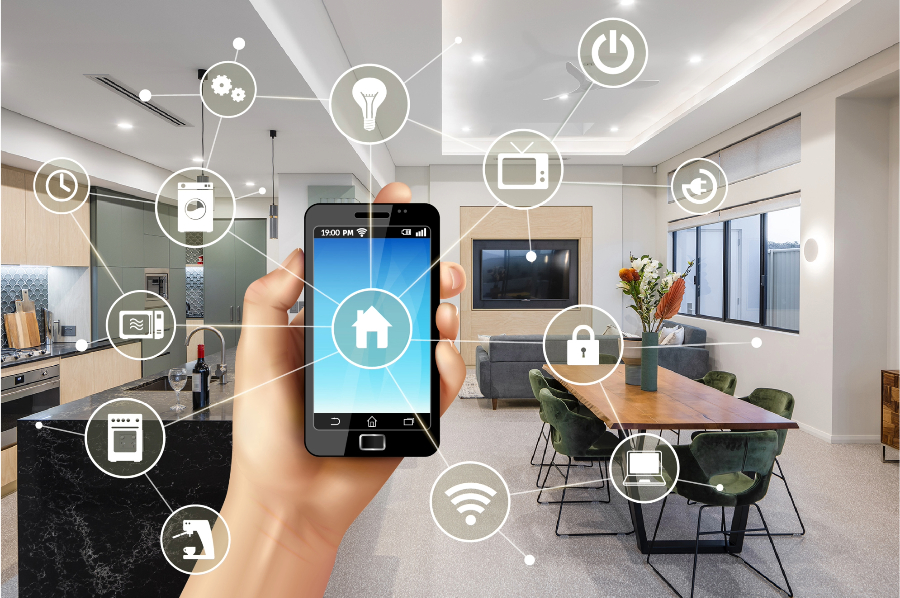
Artificial intelligence in lighting goes beyond simple remote controls or scheduled timers. These systems use sensors, data analysis, and learning algorithms to adapt to your lifestyle. For instance, they can automatically adjust brightness based on the time of day, occupancy, or even your mood preferences. Some models integrate with voice assistants, allowing you to control lights with simple spoken commands.
Many smart lighting products also connect to wider home automation platforms. This integration lets you create routines—such as dimming the lights when watching TV or turning them off when you leave the house. The result is a more seamless and responsive environment that can enhance comfort and efficiency.
Key Benefits of Upgrading to Intelligent Lighting
There are several compelling reasons homeowners consider switching to AI-powered lighting:
- Energy Efficiency: Automated dimming and occupancy sensors help reduce unnecessary electricity use, which can lower your utility bills.
- Convenience: Voice control, app-based management, and automation routines eliminate the need to manually adjust switches throughout the day.
- Customization: Many systems allow you to set personalized lighting scenes for different activities or moods, improving your living experience.
- Security: Some smart lights can simulate presence when you’re away, deterring potential intruders by mimicking normal activity patterns.
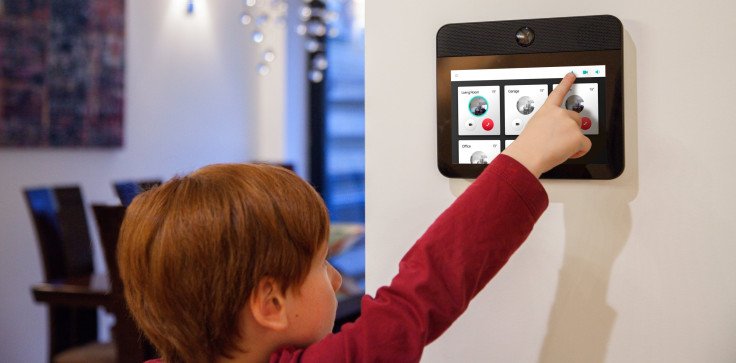
- Integration: These devices often work with other smart home gadgets, such as thermostats or security systems, for a unified experience.

Potential Drawbacks and Considerations
While the advantages are significant, there are a few factors to weigh before committing to an upgrade:
- Upfront Cost: Smart bulbs, switches, and hubs can be more expensive than traditional lighting, especially if you plan to outfit your entire home.
- Compatibility: Not all systems work seamlessly with every smart home platform, so it’s important to check integration with your existing devices.
- Privacy and Security: Connected devices can introduce vulnerabilities if not properly secured. Always update firmware and use strong passwords.
- Learning Curve: Some users may find setup and customization challenging, especially if they’re new to home automation.
- Dependence on Connectivity: Many features rely on stable Wi-Fi or cloud services, which can be a drawback if your internet connection is unreliable.
How AI Lighting Compares to Traditional Options
When comparing intelligent lighting to conventional solutions, the differences are clear. Standard bulbs and switches offer basic on/off functionality and, at best, manual dimming. In contrast, AI-driven systems provide adaptive control, automation, and integration with other smart devices. For those seeking a more responsive and energy-efficient home, the upgrade can be a significant step forward.
However, traditional lighting may still be suitable for those who prioritize simplicity, have a tight budget, or don’t require advanced features. The decision ultimately depends on your lifestyle, preferences, and willingness to invest in new technology.
Choosing the Right AI Lighting Solution
With a growing market, selecting the best system can be overwhelming. Here are a few tips to guide your decision:
- Assess Your Needs: Consider which rooms or activities would benefit most from automation and customization.
- Research Compatibility: Ensure the products you choose will work with your current smart home ecosystem and voice assistants.
- Read Reviews: Look for feedback from other users to gauge reliability, ease of use, and customer support.
- Start Small: Test a few bulbs or switches in key areas before committing to a whole-home upgrade.
- Explore Bundles: Some manufacturers offer starter kits that include multiple devices at a reduced price.
Integrating AI Lighting with Other Smart Home Devices
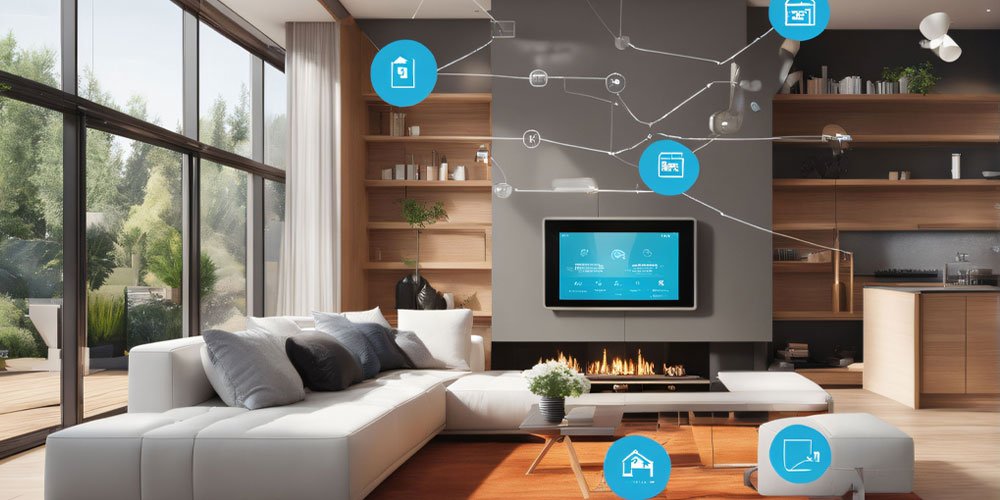
One of the standout features of intelligent lighting is its ability to work alongside other connected devices. For example, you can set your lights to turn on when your smart thermostat detects you’re home, or have them flash in response to a security alert. This level of integration not only boosts convenience but can also enhance safety and energy management.
If you’re interested in exploring more about how artificial intelligence is changing home technology, you may want to read about can AI gadgets help reduce food waste or discover what AI gadgets monitor home temperature. These resources provide further insight into the expanding role of smart devices in daily life.
Expert Opinions and Market Trends
Industry experts generally agree that the adoption of AI-powered lighting is on the rise, driven by growing consumer demand for automation and sustainability. According to recent reviews, many of the best smart home devices now include advanced lighting options that offer both reliability and ease of use.
Manufacturers are also focusing on improving interoperability and security, addressing some of the early concerns about privacy and compatibility. As the technology matures, prices are gradually becoming more accessible, making these systems a viable option for a wider range of households.
Frequently Asked Questions
Do AI-powered lights really save energy?
Yes, these systems can help reduce energy consumption by automatically turning off lights in empty rooms, dimming based on ambient light, and optimizing usage patterns. Over time, this can lead to noticeable savings on your electricity bill.
Are smart lighting systems difficult to install?
Installation varies by product. Many smart bulbs simply screw into existing sockets and connect via an app, while smart switches may require basic wiring. Most manufacturers provide step-by-step guides, and many users find the process straightforward.
Can AI lighting work with other smart home devices?
Most modern systems are designed for compatibility with popular platforms like Google Home, Amazon Alexa, and Apple HomeKit. This allows you to create routines and automations that include lighting, thermostats, security cameras, and more.
Is it necessary to upgrade all lights at once?
No, you can start with a few key areas—such as living rooms or entryways—and expand over time as needed. This approach lets you test features and determine what works best for your household.
How do AI lights enhance home security?
By simulating occupancy when you’re away and integrating with security systems, smart lighting can deter intruders and alert you to unusual activity. Some systems even allow remote monitoring and control from your smartphone.