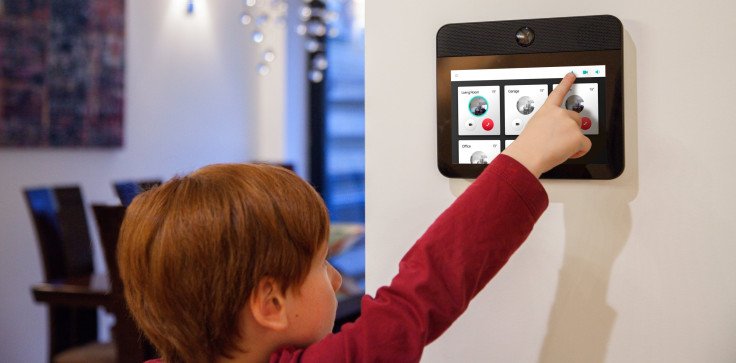
The presence of AI-powered robots and smart devices in homes is growing rapidly, raising important questions for families. As these technologies become more common, many parents wonder about the safety of having intelligent machines near children. Understanding the benefits, risks, and best practices can help families make informed decisions about integrating these devices into daily life.
From interactive toys to voice assistants and home security bots, artificial intelligence is shaping how kids learn, play, and interact with their environment. But how do these advancements affect child safety? This article explores the key considerations, practical tips, and expert insights for families evaluating the use of AI-driven gadgets around young ones.
If you’re interested in how smart devices can be tailored for family use, you might also want to learn what is an AI powered light switch and how it can contribute to a safer, more convenient home environment.
Understanding AI Robots and Their Role in Family Homes
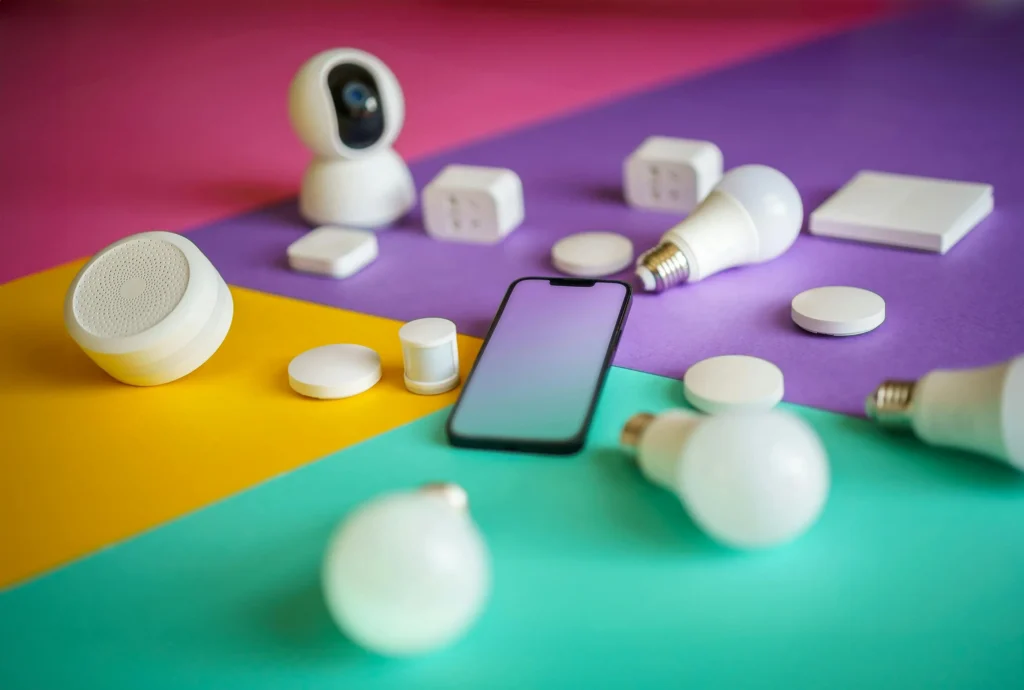
Artificial intelligence is no longer limited to science fiction or research labs. Today, AI-driven robots and devices are found in many households, performing tasks such as cleaning, monitoring, tutoring, and entertaining. These systems use sensors, cameras, microphones, and machine learning to interact with people and adapt to their surroundings.
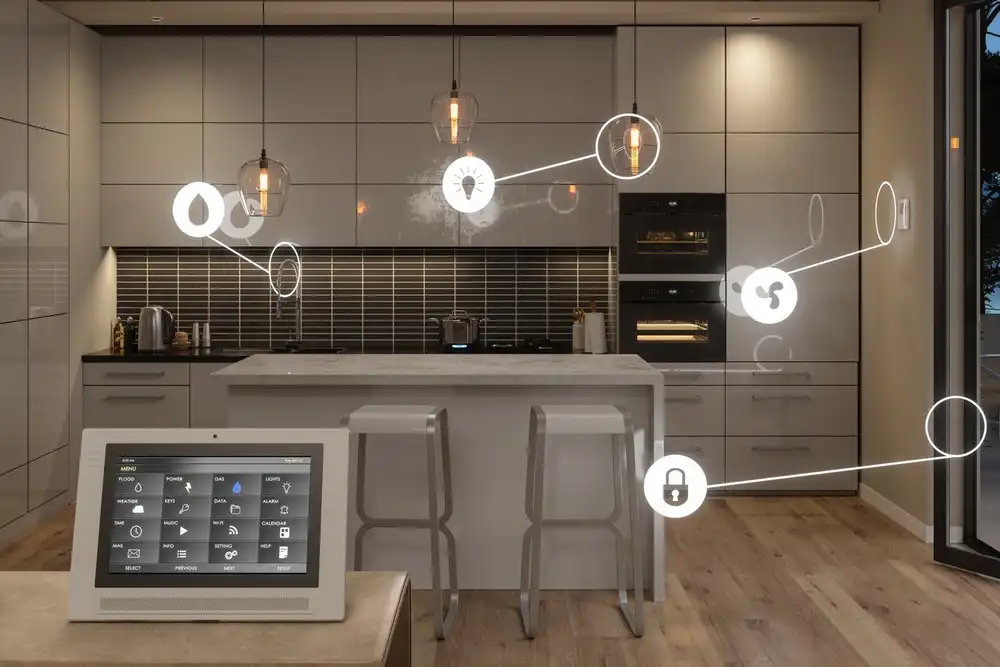
Examples include robotic vacuum cleaners, smart speakers, educational robots, and security cameras that use facial recognition. Some advanced home hubs even coordinate lighting, temperature, and appliance control, learning the family’s routines over time. For those curious about the broader landscape, what AI tools help organize a home offers a deeper look at how artificial intelligence is streamlining domestic life.
Potential Benefits of AI Devices for Children
When thoughtfully chosen and supervised, AI-powered devices can offer several advantages for kids:
- Educational Support: Interactive robots and voice assistants can help children with homework, language learning, and STEM skills.
- Entertainment: Smart toys and games provide engaging, adaptive play experiences that can foster creativity and problem-solving.
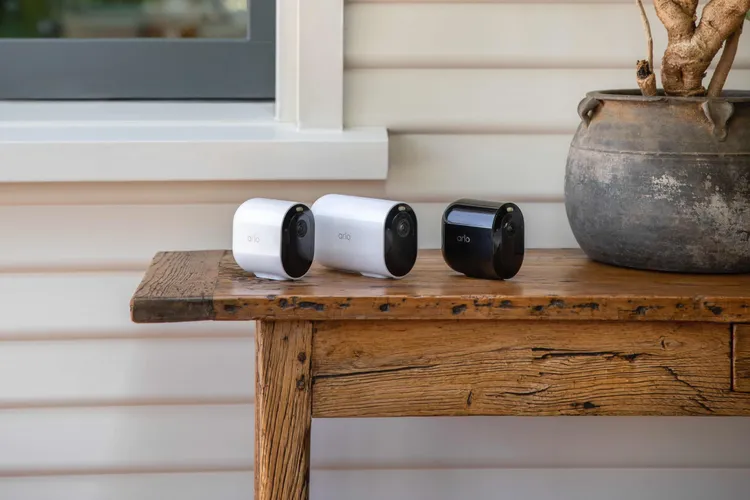
- Safety Monitoring: AI-enabled security cameras and sensors can alert parents to unusual activity or hazards in the home.
- Routine Assistance: Devices like smart speakers can help kids remember schedules, chores, and daily routines.
Risks and Concerns: Are Intelligent Robots Truly Safe for Kids?
While the advantages are clear, parents must also consider the potential risks of introducing AI-powered robots into homes with children. Here are some of the most important issues to keep in mind:
- Privacy and Data Security: Many smart devices collect audio, video, and behavioral data. If not properly secured, this information could be accessed by unauthorized parties.
- Physical Safety: Moving robots, especially those with wheels or arms, may pose tripping or pinching hazards for young children if not designed with safety features.
- Inappropriate Content: Voice assistants and connected toys may inadvertently expose children to unsuitable material if parental controls are not enabled.
- Overreliance on Technology: Excessive use of AI devices can reduce face-to-face interaction, physical activity, and independent problem-solving.
For a closer look at how these systems operate, how do AI home hubs function provides useful background on the underlying technology and its implications for families.
How to Make AI Robots Safer for Children
Parents can take several practical steps to minimize risks and maximize the benefits of AI-powered devices in the home:
- Choose Age-Appropriate Devices: Select products specifically designed for children, with robust safety certifications and child-friendly features.
- Enable Parental Controls: Use built-in settings to restrict access to certain content, limit device usage times, and monitor interactions.
- Secure Your Network: Ensure your Wi-Fi and smart devices use strong passwords and up-to-date encryption to protect personal data.
- Supervise Interactions: Regularly observe how your child uses AI robots and discuss appropriate behavior and expectations.
- Educate Kids About Privacy: Teach children not to share sensitive information with devices and to alert adults if something feels wrong.
For families just starting out, what AI gadgets are best for beginners can help identify suitable entry-level products that balance innovation and safety.
Types of AI Robots and Devices Commonly Found in Homes
The range of AI-powered products available for home use is expanding. Here are some categories and their typical safety considerations:
| Device Type | Common Uses | Key Safety Features |
|---|---|---|
| Robotic Vacuums | Cleaning floors, mapping rooms | Obstacle detection, auto-stop sensors |
| Smart Speakers | Voice assistance, music, reminders | Parental controls, microphone mute |
| Educational Robots | Learning games, coding, tutoring | Content filters, age ratings |
| Security Cameras | Monitoring, alerts, video recording | Encrypted storage, privacy shutters |
| Connected Toys | Interactive play, storytelling | Data privacy policies, safe materials |

Expert Insights and Best Practices for Families
Child development specialists and technology experts generally agree that with proper supervision and thoughtful device selection, AI-powered robots can be a positive addition to modern homes. Here are some best practices:
- Review product reviews and safety certifications before purchasing.
- Regularly update device software to patch security vulnerabilities.
- Keep devices in shared family spaces rather than private bedrooms.
- Discuss digital citizenship and responsible technology use with children.
- Stay informed about new research and recommendations from trusted sources.
For more on how smart lighting adapts to your family’s habits, see how do AI lights learn your routine.
Privacy and Data Security: What Parents Should Know
One of the most significant concerns with AI devices is the collection and storage of personal data. Parents should:
- Read privacy policies carefully to understand what information is gathered and how it is used.
- Opt for devices that offer local data storage or strong encryption.
- Disable unnecessary features, such as remote access, when not needed.
- Regularly review device logs and settings for unusual activity.
For a broader perspective on the latest trends, this overview of AI-powered home devices highlights both innovations and safety considerations relevant to families.
FAQ: Common Questions About AI Robots and Child Safety
Can AI robots replace adult supervision for children?
No, AI-powered devices are designed to assist but not replace parental supervision. While they can help monitor activity or provide educational support, children still require guidance and oversight from adults.
What should I do if my child interacts with inappropriate content on a smart device?
Immediately review the device’s parental controls and adjust settings to restrict access. Discuss with your child why certain content is not appropriate, and monitor future interactions more closely.
Are there specific certifications to look for when buying AI robots for kids?
Look for products that meet recognized safety standards, such as the Children’s Online Privacy Protection Act (COPPA) for data privacy, and certifications from organizations like UL or CE for physical safety.
How can I teach my child about privacy when using AI devices?
Explain the basics of personal information and why it’s important not to share details like addresses or passwords with devices. Encourage open communication and let your child know they can come to you with questions or concerns.
Conclusion: Making Informed Choices About AI in the Home
The integration of AI-powered robots and smart devices into family life offers both opportunities and challenges. By staying informed, setting clear boundaries, and prioritizing safety and privacy, parents can help children benefit from these technologies while minimizing potential risks. As the landscape evolves, ongoing education and vigilance will remain essential for keeping kids safe in a connected world.