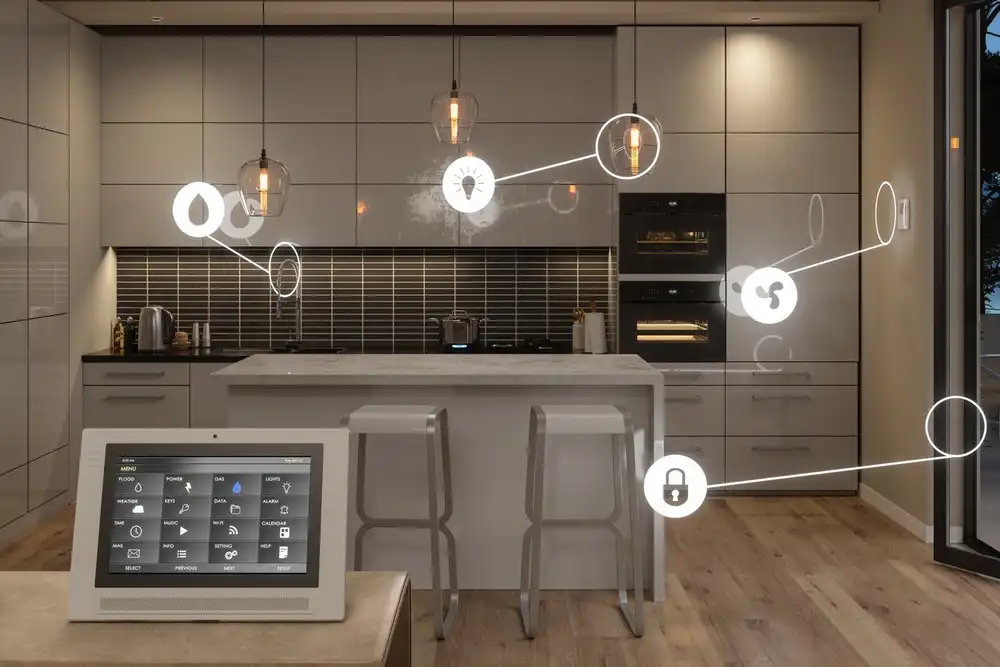

In the age of smart home technology, the importance of automating water leak detection cannot be overstated. Water leaks can cause significant damage to property and lead to costly repairs. By embracing technology, homeowners can now mitigate these risks efficiently and effectively. This article explores the nuances of automating water leak detection, providing insights into its benefits, functioning, and the latest advancements in this field.

Understanding Water Leak Detection
Water leaks, if left undetected, can lead to severe structural damage, mold growth, and increased water bills. Traditional methods of detecting leaks often involve manual inspection, which can be time-consuming and inefficient. With the advent of smart technology, homeowners can now rely on automated systems to monitor and detect water leaks in real-time.
Why Automate Water Leak Detection?
Automating water leak detection offers numerous benefits. It provides peace of mind, reduces the risk of water damage, and can lead to significant cost savings in the long run. Automated systems are designed to detect leaks early, often before they become a major issue, thereby preventing potential disasters.
Cost Savings
One of the primary advantages of automated leak detection is the potential for cost savings. By preventing water damage, homeowners can avoid expensive repairs and replacements. Additionally, reducing water wastage contributes to lower utility bills.
Early Detection
Automated systems are equipped with sensors that detect leaks at their earliest stages. This early detection allows homeowners to address issues promptly, minimizing damage and reducing the risk of mold and mildew growth.
How Does Automated Water Leak Detection Work?
Automated water leak detection systems typically consist of sensors placed in strategic locations around the home. These sensors detect the presence of water and send alerts to the homeowner via a smartphone app or other alert systems. Some advanced systems are even integrated with geofencing technology, allowing for even more precise monitoring.
Types of Sensors
There are various types of sensors used in automated water leak detection systems. These include moisture sensors, flow meters, and acoustic sensors. Each type of sensor serves a specific purpose and can be used in different scenarios to ensure comprehensive coverage.
Integration with Smart Home Systems
Many automated water leak detection systems can be integrated with existing smart home systems. This integration allows for centralized control and monitoring, making it easier for homeowners to manage their systems efficiently. For more on smart home integration, you can explore smart home maintenance tips.
Choosing the Right System
When it comes to choosing an automated water leak detection system, there are several factors to consider. Homeowners should evaluate the size of their home, the areas most susceptible to leaks, and their budget. Additionally, it’s important to choose a system that is compatible with existing smart home technologies.
Factors to Consider
Consider the coverage area needed, the types of sensors required, and the level of integration desired with other smart home devices. It’s also worth considering systems that offer remote monitoring and alert capabilities.
Top Brands and Products
There are several reputable brands that offer high-quality automated water leak detection systems. Researching different products, reading reviews, and seeking recommendations can help homeowners make an informed decision.
Installation and Maintenance
Installing an automated water leak detection system can vary in complexity depending on the system chosen. Some systems offer easy DIY installation, while others may require professional assistance. Regular maintenance is also crucial to ensure optimal performance.
DIY vs. Professional Installation
For those who are tech-savvy, a DIY installation may be a cost-effective option. However, for more complex systems, professional installation is recommended to ensure proper setup and functionality.
Maintaining Your System
Regular maintenance involves checking sensor functionality, updating software, and ensuring that alert systems are working correctly. Maintenance is key to ensuring that the system remains reliable and effective over time.
The Future of Water Leak Detection
The field of water leak detection is continually evolving, with new technologies emerging to enhance the effectiveness and efficiency of automated systems. Innovations such as AI and machine learning are being integrated into these systems, promising even more accurate detection and prevention methods.
AI and Machine Learning
AI and machine learning algorithms are being used to analyze data from sensors, enabling systems to predict potential leaks before they occur. This predictive capability can revolutionize how water leaks are managed and prevented.
Environmental Impact
Automated water leak detection systems not only protect homes but also contribute to environmental conservation. By reducing water waste, these systems play a role in the sustainable management of water resources.
FAQs
How does automated water leak detection benefit homeowners?
Automated water leak detection provides early warning of potential leaks, reducing the risk of costly water damage and contributing to lower water bills.
Can automated systems integrate with existing smart home devices?
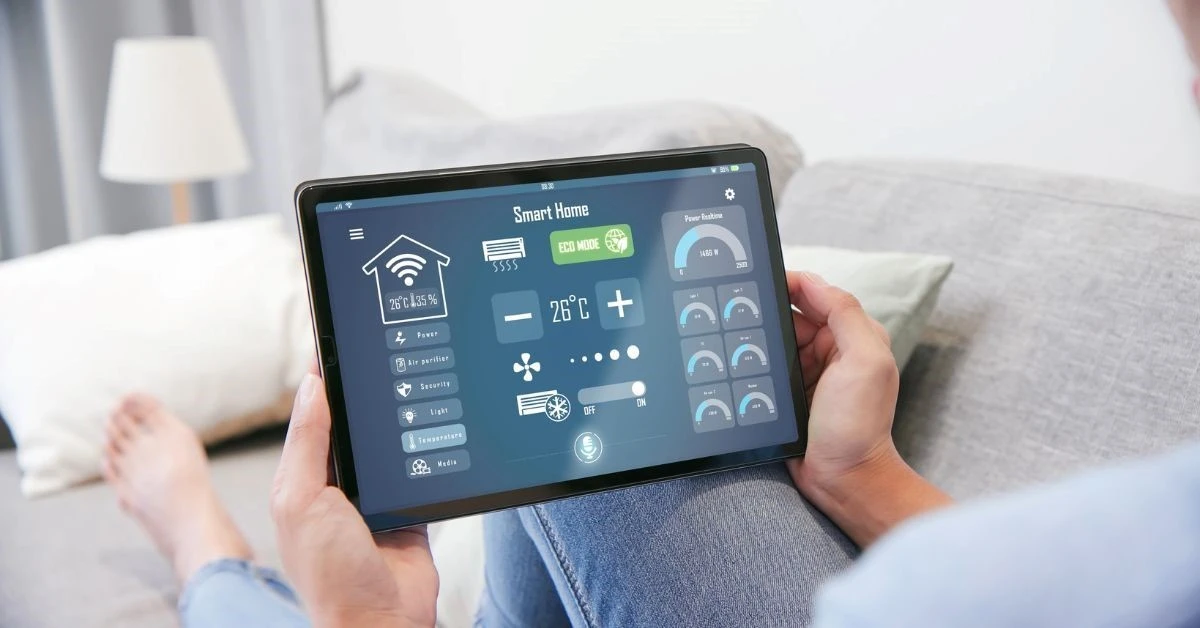
Yes, many automated water leak detection systems are designed to integrate with existing smart home technologies, offering centralized control and monitoring.
Are there ongoing maintenance requirements for these systems?
Yes, regular maintenance is necessary to ensure system reliability, including sensor checks, software updates, and testing of alert systems.
For further reading on smart home automation benefits, consider visiting this article on smart home automation.