The rise of AI-powered air purifiers has sparked new interest in how technology can improve indoor air quality. With allergies affecting millions of people worldwide, many are curious about whether these advanced devices can truly identify and remove allergens from the air. Understanding the capabilities and limitations of smart purification systems is essential for anyone considering an upgrade to their home environment.
In this article, we’ll explore how artificial intelligence is changing the landscape of air purification, what types of allergens these devices can address, and what to look for when choosing a smart purifier for your home. We’ll also examine the science behind detection, the role of sensors, and how AI algorithms interpret air quality data.
For those interested in other smart home innovations, you might also want to learn how does an AI robot mop work and discover the broader impact of AI on everyday living.
Understanding How Smart Air Purifiers Work
Traditional air purifiers rely on filters to capture particles, but modern devices equipped with artificial intelligence go a step further. These units use a combination of sensors, data analysis, and adaptive algorithms to monitor and react to changes in air quality. The integration of AI allows for more precise adjustments and, in some cases, the ability to recognize specific types of pollutants.
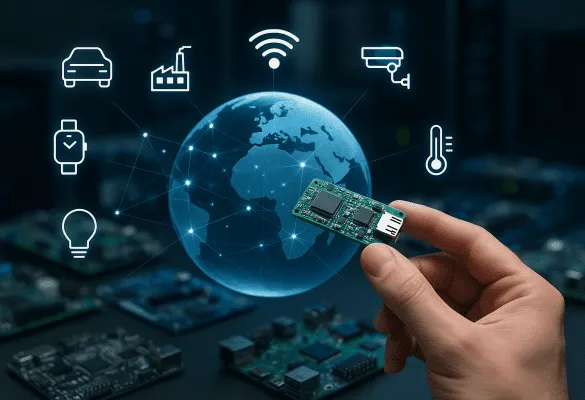
At the heart of these systems are sensors that detect particulate matter (PM), volatile organic compounds (VOCs), humidity, and sometimes even carbon dioxide. The AI component processes this sensor data in real time, learning from patterns and making recommendations or automatic adjustments to optimize air quality.
Can Smart Purifiers Identify Allergens?
The question of whether these devices can detect allergens is complex. Most AI air purifiers do not directly identify individual allergen species, such as pollen or pet dander, at a molecular level. Instead, they detect the presence of particles within certain size ranges—often PM2.5 (particles smaller than 2.5 microns) and PM10. Many common allergens fall within these categories.
Some advanced models use machine learning to recognize patterns associated with allergen spikes, such as increased pollen counts during certain seasons or higher dust levels after cleaning. The AI can then adjust fan speeds, activate filtration modes, or send alerts to users about potential allergen exposure.
Types of Allergens Addressed by AI-Driven Purifiers
While these devices may not pinpoint the exact source of every irritant, they are effective at reducing a wide range of common indoor allergens, including:
- Pollen – Often detected as fine particulate matter, especially during high pollen seasons.
- Pet dander – Tiny skin flakes from animals that circulate in the air and trigger allergies.
- Dust mites – Microscopic organisms and their waste, which are common in household dust.
- Mold spores – Airborne fungal particles that can cause respiratory symptoms.
- Smoke and VOCs – While not allergens, these can worsen symptoms for sensitive individuals.
The filtration technology—such as HEPA filters, activated carbon, and sometimes UV-C sterilization—works in tandem with AI to maximize the removal of these substances.
How AI Enhances Allergen Detection and Removal
The main advantage of AI in air purification is its ability to learn and adapt. Over time, the system can recognize patterns in air quality data, such as recurring spikes in particulate levels when windows are open or after vacuuming. Some purifiers can even integrate with weather data or pollen forecasts to anticipate allergen surges and adjust operation proactively.
Additionally, AI-powered purifiers often connect to mobile apps, providing users with real-time air quality updates, historical data, and actionable recommendations. This level of insight empowers users to make informed decisions about ventilation, cleaning, and filter replacement.
Limitations of Current Technology
Despite their advanced features, it’s important to note that most smart purifiers do not chemically analyze the air to identify specific allergen molecules. Instead, they rely on indirect indicators—primarily particle size and concentration. As a result, while they are highly effective at reducing overall allergen load, they may not distinguish between different types of particles with absolute precision.
For individuals with severe allergies, it is still advisable to combine air purification with other strategies, such as regular cleaning, minimizing indoor humidity, and using hypoallergenic bedding.
Choosing the Right AI-Enabled Air Purifier
When shopping for a smart air purifier, consider the following features to maximize allergen detection and removal:
- Comprehensive sensors – Look for models that monitor PM2.5, PM10, VOCs, and humidity.
- True HEPA filtration – Essential for capturing fine particles, including most allergens.
- Smart connectivity – Mobile app integration and compatibility with voice assistants can enhance usability.
- Adaptive AI algorithms – Systems that learn from your environment and usage patterns offer better performance over time.
- Filter replacement alerts – Ensures the device maintains optimal efficiency.
Reading reviews and consulting resources like best practical smart home gift ideas can help you identify the most reliable and effective models.
Integrating AI Purifiers with Other Smart Home Devices
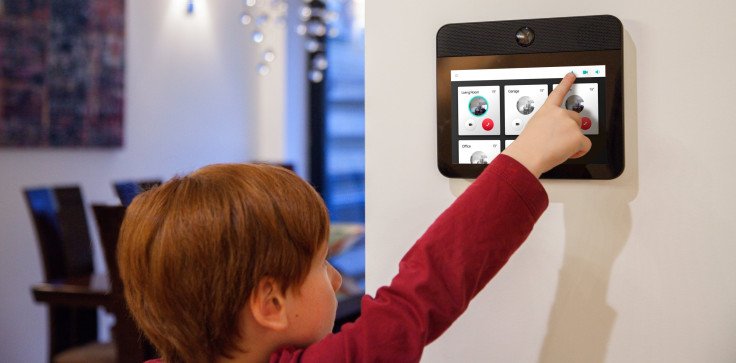
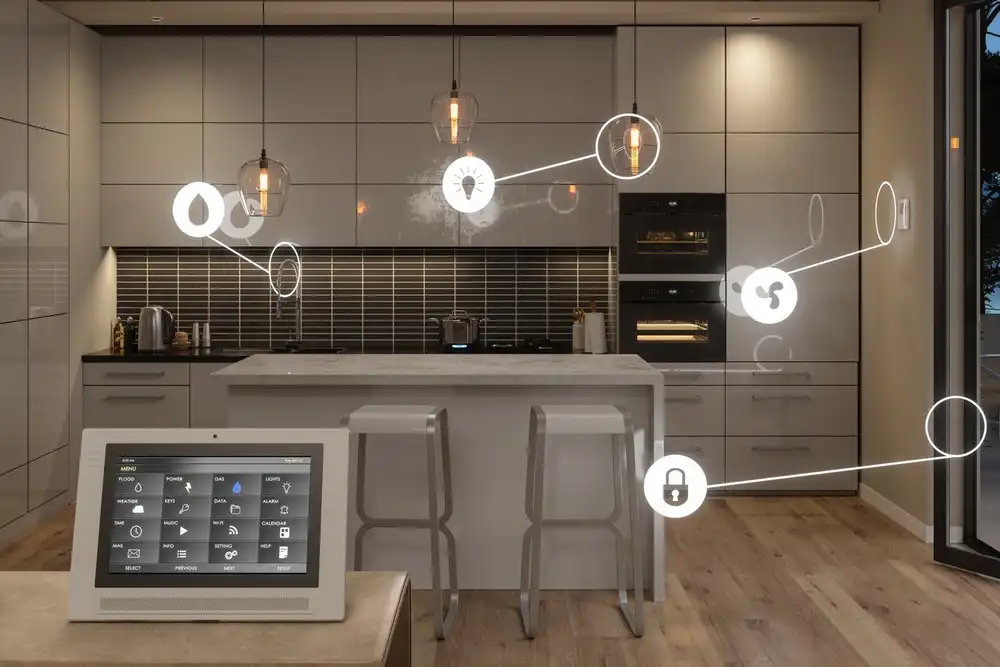
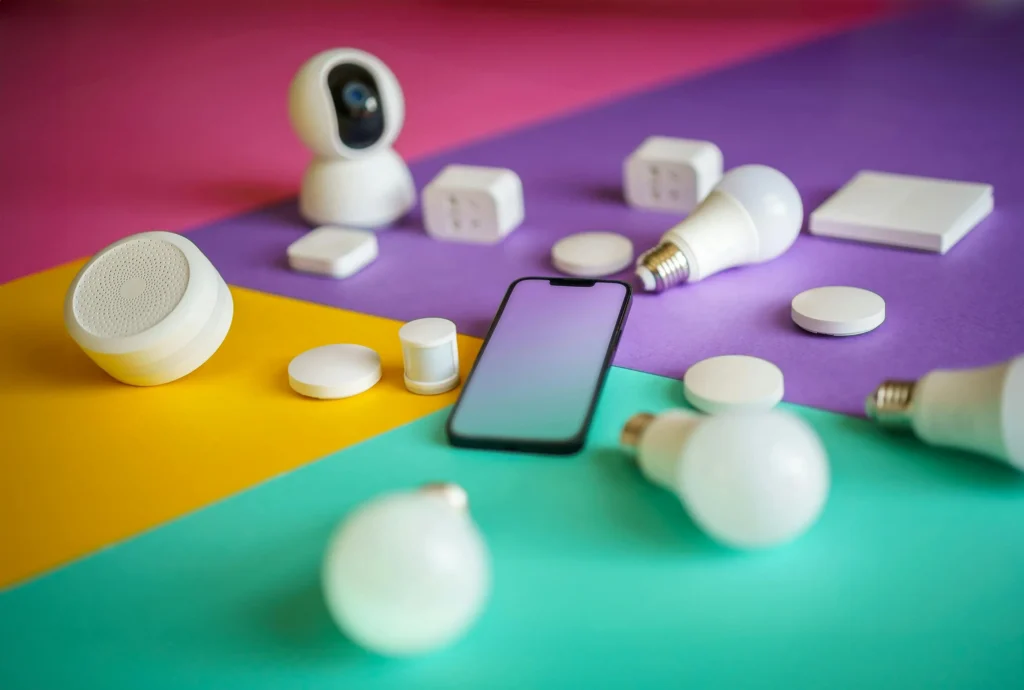
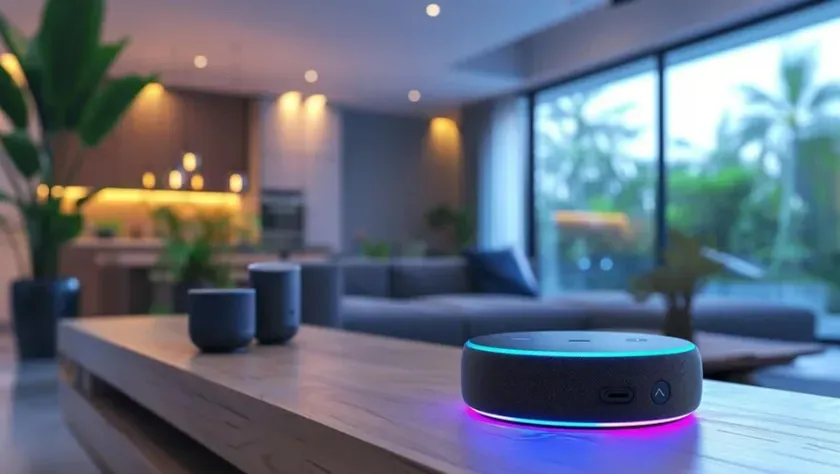
Many smart air purifiers can be integrated with other home automation products, such as thermostats and speakers. This connectivity allows for coordinated responses to air quality changes, like adjusting ventilation or sending voice alerts. If you’re interested in how other AI gadgets can automate household tasks, you may want to read about can AI gadgets automate daily chores for a broader perspective on smart home synergy.
As the ecosystem of connected devices grows, expect even more seamless management of indoor environments, with AI purifiers playing a central role in maintaining healthy air.
Frequently Asked Questions
Do AI air purifiers really help with allergies?
Yes, these devices can significantly reduce airborne allergens by continuously monitoring and filtering particles such as pollen, dust, and pet dander. While they don’t identify every specific allergen, their adaptive filtration and real-time adjustments make them highly effective for most allergy sufferers.
What is the difference between a regular and an AI-powered air purifier?
Traditional purifiers operate at fixed settings or with basic sensors. AI-powered models use advanced algorithms to analyze air quality data, learn from environmental patterns, and automatically adjust operation for optimal performance. This results in smarter, more efficient allergen removal.
Can these purifiers detect when new allergens enter the room?
While they may not identify the exact type of allergen, smart purifiers can detect increases in particulate matter that often indicate the presence of new irritants. The AI system responds by increasing filtration or alerting the user, helping to minimize exposure.
Are there other AI gadgets that can improve home health?
Absolutely. Devices such as smart thermostats, speakers, and even robot mops are leveraging AI to enhance comfort and cleanliness. If you’re curious about these options, check out what AI gadgets improve home security for more insights.
Conclusion
AI-driven air purifiers represent a significant advancement in home health technology. While they may not chemically identify every allergen, their ability to detect and respond to changes in air quality makes them a valuable tool for allergy management. By combining sophisticated sensors, adaptive algorithms, and smart connectivity, these devices help create a cleaner, healthier living environment. As technology continues to evolve, we can expect even greater precision and convenience in the fight against indoor allergens.