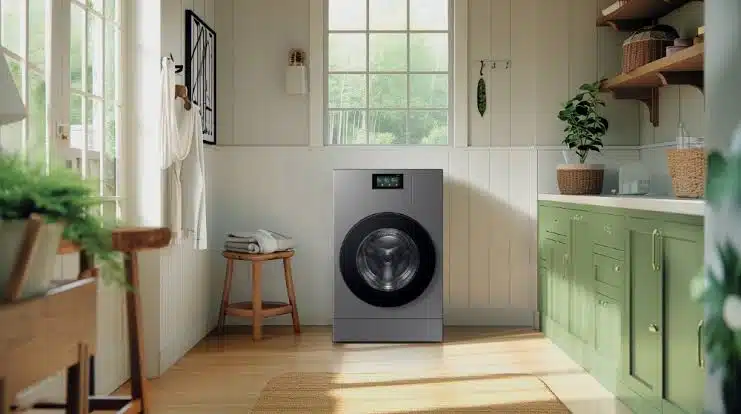
Managing daily chores and keeping up with household responsibilities can be overwhelming, especially as routines get busier. With the rapid advancement of artificial intelligence, smart devices are increasingly being integrated into homes to help automate tasks, save time, and simplify life. But can AI gadgets reduce household workload in a meaningful way, or are they just another tech trend? This article explores how these devices function, what types are available, and the practical impact they have on everyday living.
We’ll also highlight some of the most effective AI-powered tools, discuss their benefits and limitations, and provide guidance on choosing the right gadgets for your needs. For those interested in how AI fits into broader home automation, you may want to read about what is an AI powered light switch and how these innovations are shaping modern households.
Understanding How Smart Devices Lighten the Load at Home
The core promise of AI-powered home gadgets is to automate repetitive or time-consuming tasks. These devices use sensors, machine learning, and connectivity to perform functions that once required manual effort. For example, robotic vacuum cleaners map your floors and clean autonomously, while smart thermostats learn your schedule and adjust temperatures for comfort and efficiency.
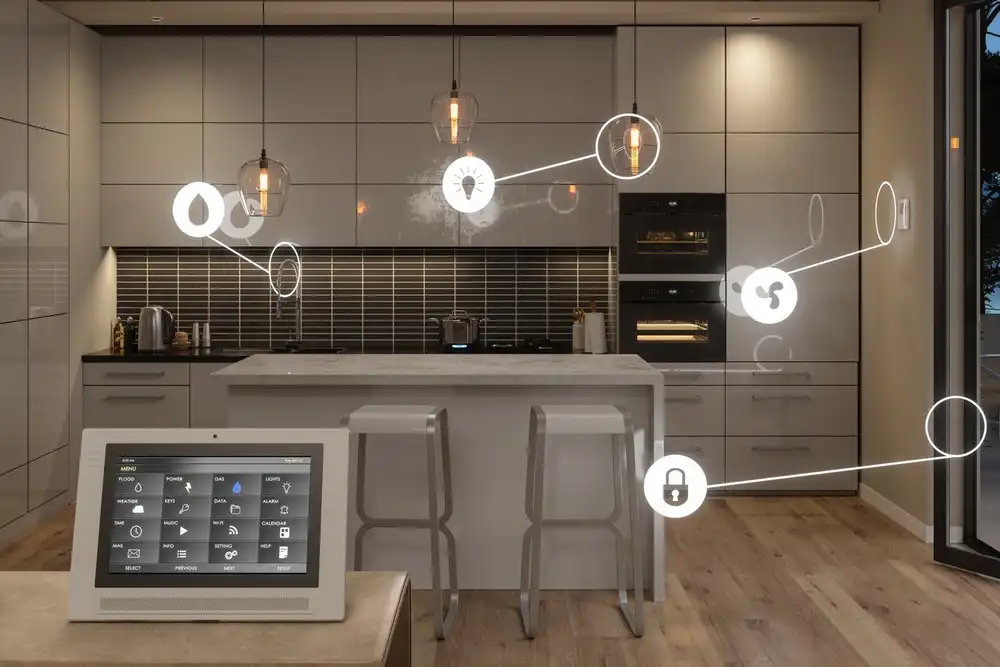
Beyond cleaning and climate control, AI can manage lighting, security, and even detect leaks or maintenance issues before they become major problems. If you’re curious about the broader landscape, what AI tools help organize a home offers a comprehensive look at how technology can streamline household organization.
Popular AI Gadgets That Help With Chores
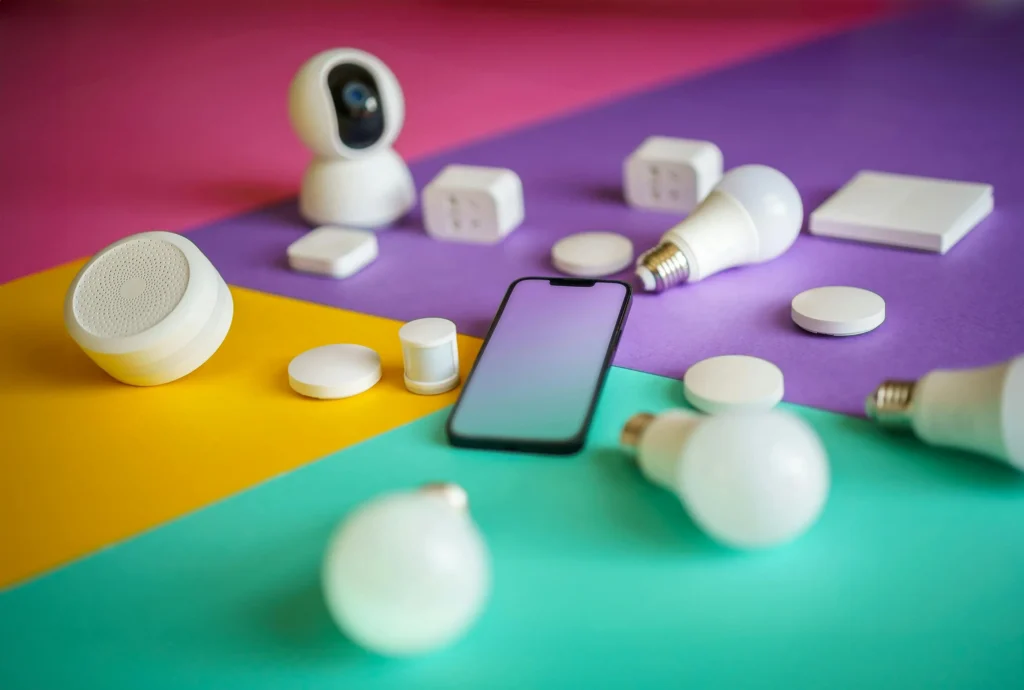
A growing range of AI-enabled devices are available to help with daily tasks. Here are some of the most impactful categories:
- Robotic Vacuums and Mops: These devices use AI to map rooms, avoid obstacles, and clean efficiently with minimal supervision.
- Smart Thermostats: By learning your preferences and routines, these gadgets optimize heating and cooling, reducing both workload and energy costs.
- Leak Detectors: AI-powered sensors can spot leaks early, preventing costly damage and saving time on repairs.
- Voice Assistants and Smart Speakers: These tools help manage schedules, set reminders, control other devices, and answer questions hands-free.
- Lighting Automation: Systems that adapt to your habits, such as those described in how do AI lights learn your routine, can adjust brightness and color temperature automatically.

Real-World Benefits: Do AI Devices Truly Save Time?
The main advantage of integrating AI into the home is the reduction of manual effort. For instance, a robotic vacuum can clean floors while you focus on other tasks, and a smart thermostat can maintain comfort without constant adjustments. Over time, these small automations add up, freeing up hours each week.
According to a recent overview of AI home appliances, households using multiple smart devices report higher satisfaction with their routines and less stress related to chores. This is especially true for families, busy professionals, and anyone looking to streamline their day-to-day responsibilities.

Choosing the Right AI Solutions for Your Home
Selecting the most effective AI gadgets depends on your household’s unique needs. Start by identifying the chores that take up the most time or cause the most frustration. For some, this might be cleaning; for others, it could be managing schedules or monitoring home security.
Consider starting with devices that offer the greatest impact with minimal setup, such as smart speakers or thermostats. If you’re new to this technology, resources like what AI gadgets are best for beginners can help you make informed choices. As you become comfortable, you can expand your system to include more advanced automation, such as leak detectors or AI-powered lighting.
Potential Drawbacks and Limitations
While AI devices can significantly reduce the effort required for many household tasks, they are not without challenges. Initial costs can be high, especially for advanced gadgets. Some users may also face a learning curve when setting up or integrating multiple devices.
Privacy and data security are additional concerns, as many smart home products collect and transmit data to function effectively. It’s important to review privacy policies and ensure your devices are kept up to date with the latest security patches.
Integrating AI Into Your Daily Routine
To maximize the benefits of AI in the home, start by automating one or two tasks and gradually expand as you see results. Many users find that once they experience the convenience of automated cleaning or voice-controlled scheduling, they are eager to explore further possibilities.
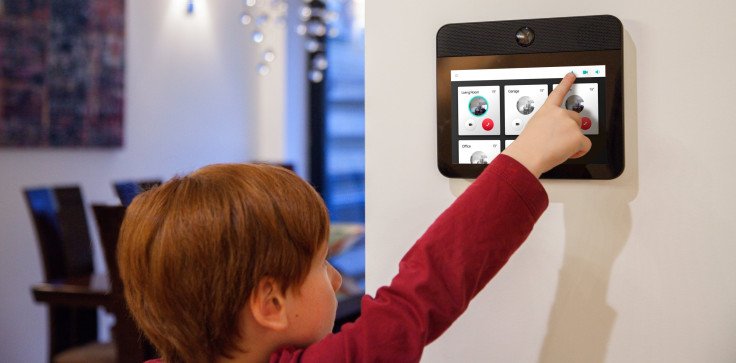
For a deeper understanding of how these systems work together, see how do AI home hubs function and learn about the central role of hubs in coordinating multiple devices.
FAQ
What types of household chores can AI gadgets automate?
AI-powered devices can handle a wide range of tasks, including cleaning (robotic vacuums and mops), climate control (smart thermostats), lighting (automated lights), security (smart cameras and locks), and even leak detection. Some systems also help with scheduling, reminders, and hands-free control of other appliances.
Are AI home gadgets difficult to install and use?
Most modern AI devices are designed for easy installation and user-friendly operation. Many products come with step-by-step setup guides and intuitive apps. However, integrating multiple devices or creating complex automations may require some technical knowledge.
Do AI gadgets really save time and effort?
Yes, for many users, these devices significantly reduce the time spent on routine chores. By automating repetitive tasks and providing remote control or scheduling, AI gadgets allow homeowners to focus on more important activities or simply enjoy more free time.
How can I ensure my smart home devices are secure?
To protect your privacy, always buy devices from reputable brands, keep software updated, use strong passwords, and review privacy settings regularly. Avoid sharing sensitive information with voice assistants and monitor device activity for unusual behavior.
Conclusion
The question of can AI gadgets reduce household workload is increasingly being answered in the affirmative as more homes adopt these technologies. While no device can eliminate chores entirely, smart gadgets offer practical solutions for automating tedious tasks, improving efficiency, and enhancing comfort. By choosing the right tools and integrating them thoughtfully, homeowners can enjoy a more manageable and enjoyable living environment.