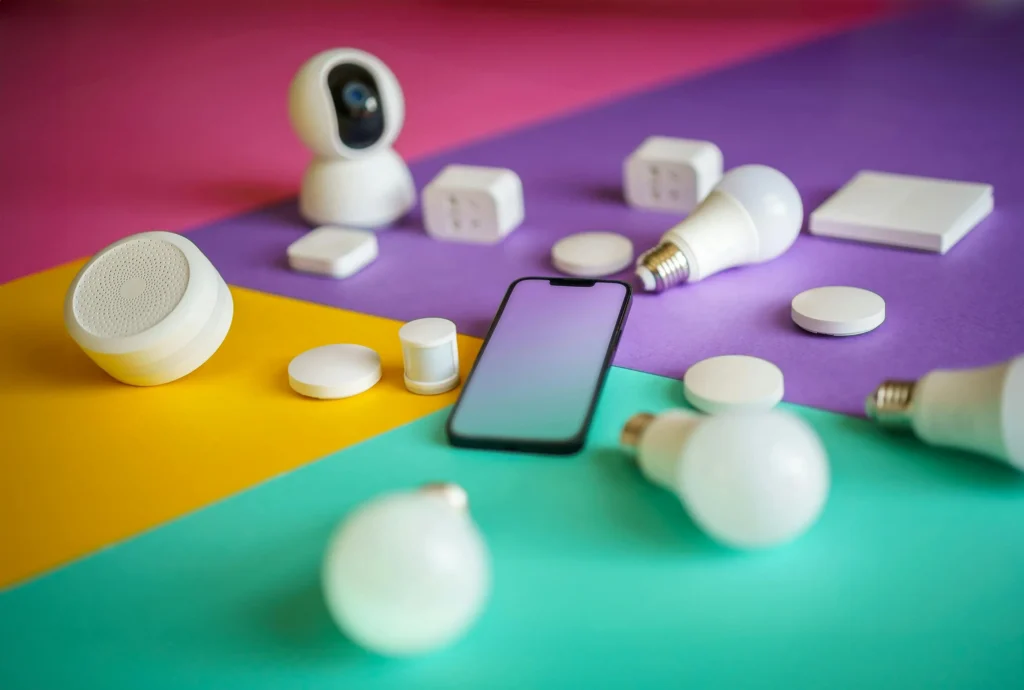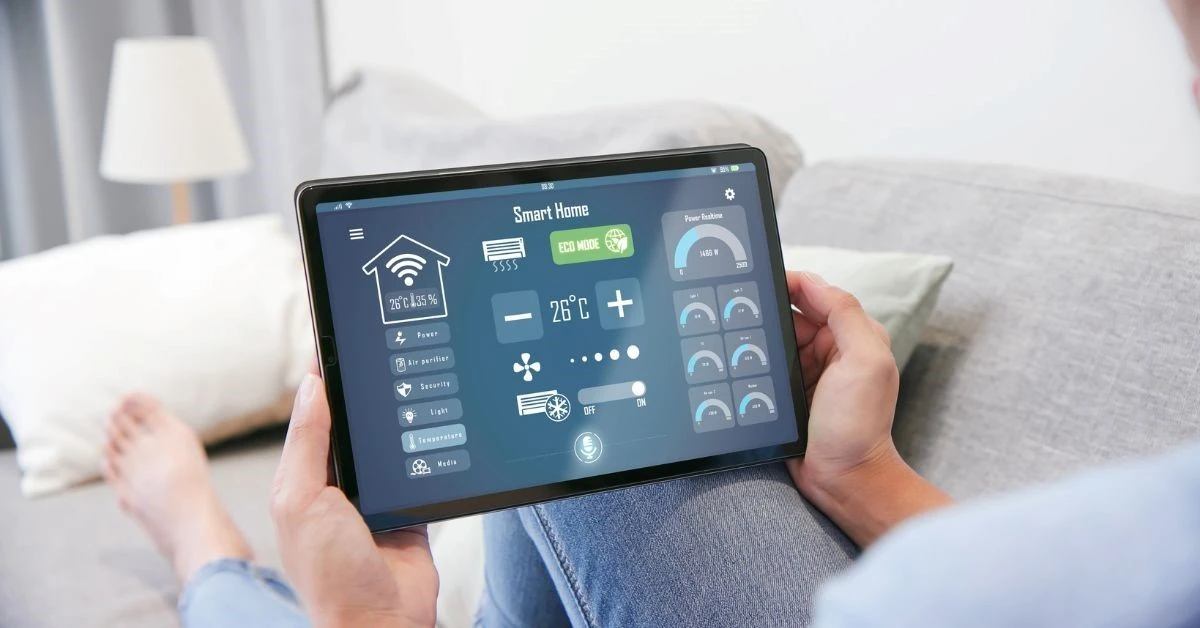
In today’s fast-paced world, the concept of home automation for smart apartments is revolutionizing how we interact with our living spaces. Imagine controlling your lights, thermostat, and even your coffee maker with just a tap on your smartphone or a simple voice command. This is not science fiction; it’s the reality of home automation, especially in smart apartments.

What is Home Automation?
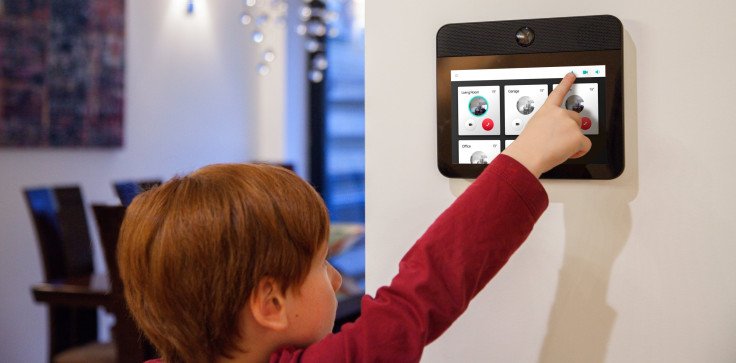
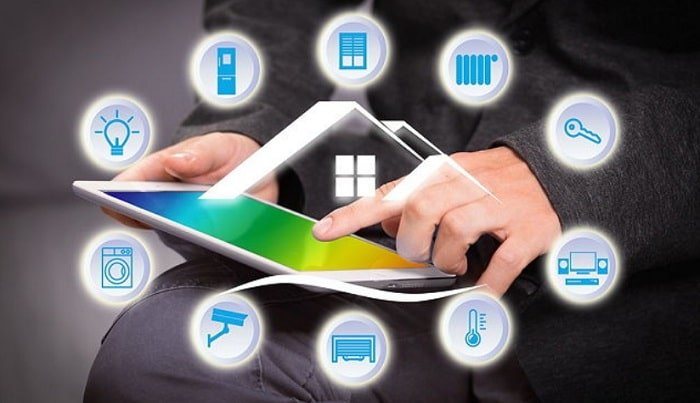
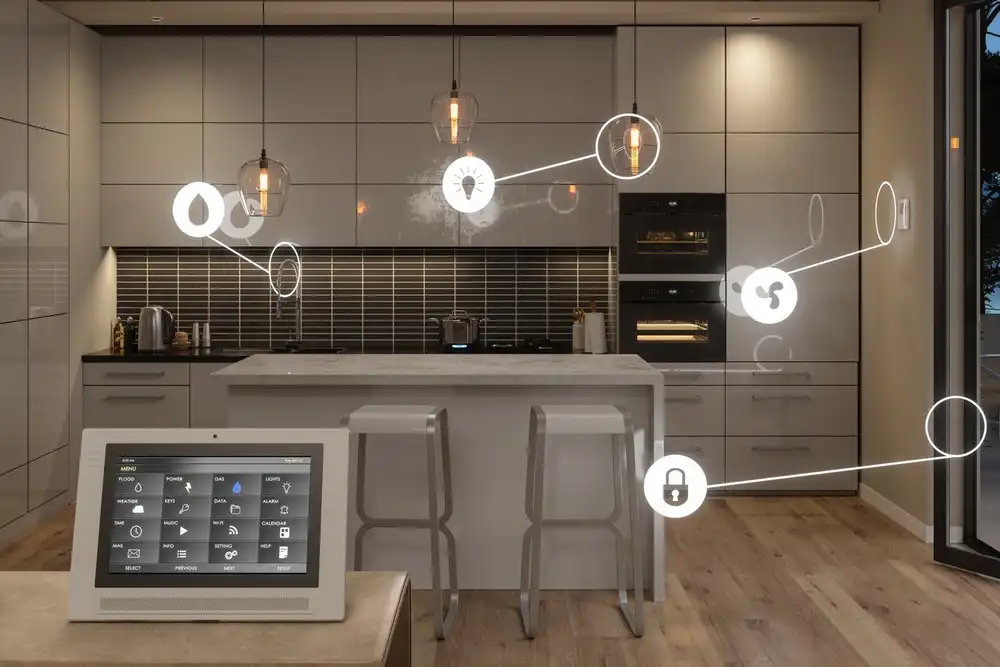
Before diving into the specifics of smart apartments, let’s first understand what home automation entails. At its core, home automation refers to the automatic and electronic control of household features, activities, and appliances. This technology leverages Internet of Things (IoT) devices, which connect to a central hub or network, allowing inhabitants to control various home systems from a single device.
Benefits of Home Automation in Smart Apartments
There are numerous advantages to implementing home automation in smart apartments. Here are a few:
1. Convenience
With home automation, you can manage your entire apartment from anywhere. Whether you want to adjust the thermostat, turn off lights, or start your washing machine, you can do so with ease, even if you’re miles away.
2. Energy Efficiency
Smart devices can optimize energy consumption, helping you lower your utility bills. For example, smart thermostats learn your schedule and adjust temperatures accordingly, ensuring maximum energy efficiency.
3. Enhanced Security
Automated security systems offer unparalleled protection. You can monitor your apartment through video surveillance, receive alerts about suspicious activities, and control door locks remotely.
Key Components of Smart Apartments
A truly smart apartment integrates various technologies to create a cohesive system. Here are the key components:
1. Smart Lighting
Smart lighting systems allow you to control the brightness and color of your lights through your phone or voice commands. They can be set to turn on or off based on your schedule or presence in a room.
2. Smart Thermostats
These devices learn your preferences and adjust the temperature automatically, ensuring comfort while saving energy.
3. Smart Security Systems
From smart locks to security cameras, these systems allow you to monitor and protect your apartment from anywhere in the world.
4. Smart Appliances
Appliances like refrigerators, ovens, and washing machines can be controlled remotely. You can preheat your oven on the way home or start a laundry cycle from your office.
How to Get Started with Home Automation
Embarking on your home automation journey can be overwhelming. Here are some steps to help you get started:
1. Assess Your Needs
Determine which aspects of your home life you want to automate. Prioritize systems that will provide the most convenience and savings.
2. Choose a Hub
Consider a central hub, like Amazon Echo or Google Home, to connect and control your devices. This will serve as the brain of your smart apartment.
3. Start Small
Begin with a few devices, such as smart bulbs or a thermostat, and gradually expand your system as you become more comfortable with the technology.
Challenges of Home Automation
While the benefits are significant, there are some challenges to consider:
1. Compatibility
Ensure that the devices you choose are compatible with each other and with your chosen hub.
2. Security Concerns
With increased connectivity comes the risk of cyber threats. Protect your network with strong passwords and regular updates.
Future of Home Automation
The future of home automation is bright, with advancements in AI and machine learning. Soon, our homes will be able to anticipate our needs and adjust settings proactively.
For more insights on automating your home, check out this external resource on smart home automation.
FAQs
1. What is a smart apartment?
A smart apartment is equipped with automated devices that can be controlled remotely, offering enhanced convenience, security, and energy efficiency.
2. Are smart apartments expensive?
While initial costs may be higher, the energy savings and convenience can offset these expenses over time.
3. Can I install home automation devices myself?
Many devices offer simple DIY installation, but professional help may be required for more complex systems.