In today’s fast-paced world, the concept of home automation has become increasingly popular. People are always looking for ways to make their lives more convenient and efficient. However, not everyone is keen on relying solely on the internet for their smart home needs. This is where home automation without internet comes into play. It offers a unique approach to creating a smart home environment that doesn’t rely on constant connectivity.
1. What is Home Automation Without Internet?
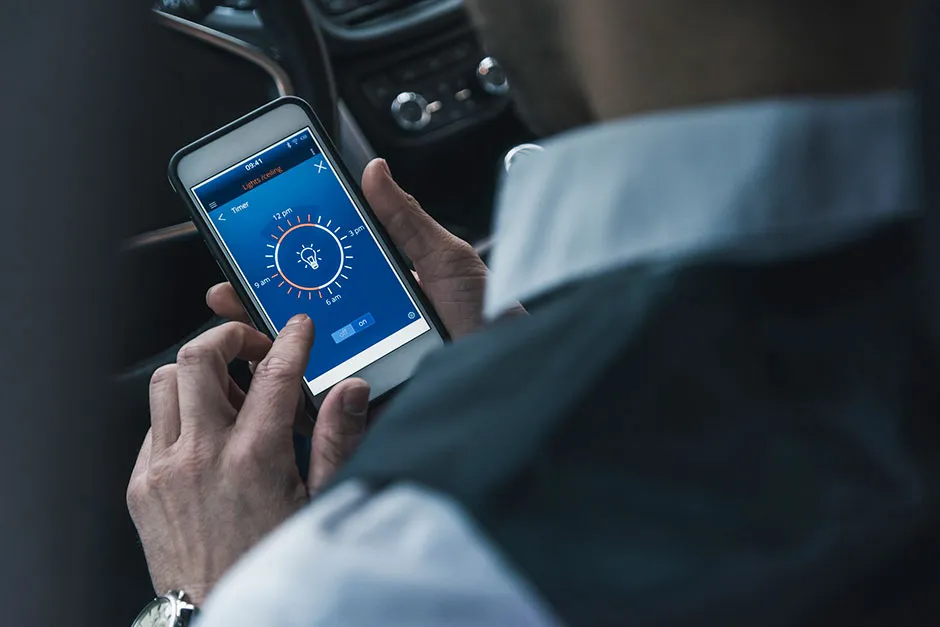
Home automation without internet refers to the use of devices and systems in your home that can operate autonomously or through local connections without the need for an internet connection. This approach focuses on creating a smart home environment that is less dependent on external networks, providing more control and security to the homeowner.
2. Benefits of Offline Home Automation
There are several benefits to choosing home automation without internet. Firstly, it offers enhanced privacy and security, as your devices are not constantly connected to the internet. Secondly, offline solutions often have faster response times since they do not rely on cloud services. Lastly, it provides reliability, as you are not affected by internet outages.
2.1 Increased Security
Without the need for an internet connection, the risk of hacking and unauthorized access is significantly reduced. Your personal information and data are kept safe within your home network.
2.2 Greater Reliability
Offline systems are not affected by internet outages, ensuring that your smart home devices remain functional even when your internet is down. This reliability is especially important for critical systems such as security alarms and lighting controls.
3. Key Components of Offline Home Automation
To effectively implement home automation without internet, there are key components to consider:
3.1 Local Control Hubs
A local control hub is essential for managing and coordinating your smart home devices. These hubs use technologies like Zigbee or Z-Wave to communicate with devices directly.
3.2 Smart Sensors
Smart sensors can monitor various aspects of your home, such as temperature, motion, and humidity. They operate independently of the internet and can trigger actions based on specific conditions.
3.3 Automation Software
Automation software allows you to program routines and scenarios that your devices can follow. This software is installed locally and does not require internet access to function.
4. Popular Offline Home Automation Devices
Several devices are available that support home automation without internet:
4.1 Smart Light Bulbs
These bulbs can be controlled via local networks or through manual switches, providing lighting control without the need for internet.
4.2 Smart Thermostats
Smart thermostats can learn your preferences and adjust the temperature accordingly, all without needing an internet connection.
4.3 Security Cameras
Offline security cameras store footage locally and can be accessed directly without internet dependency.
5. Setting Up Your Offline Smart Home
Setting up an offline smart home can be a rewarding experience. Here are the steps to get started:
5.1 Assess Your Needs
Identify which areas of your home you want to automate and what devices you need.
5.2 Choose the Right Devices
Select devices that are compatible with offline operation and meet your specific needs.
5.3 Install and Configure Devices
Follow the manufacturers instructions to install and configure your devices. Ensure they are connected to your local control hub.
6. Challenges and Solutions
While home automation without internet offers many benefits, there are some challenges you may face:
6.1 Limited Remote Access
Without internet, remote access to your devices is limited. To counter this, consider using a local VPN.
6.2 Compatibility Issues
Ensure that all your devices are compatible with your chosen control hub to avoid integration issues.
7. The Future of Offline Home Automation
The demand for home automation without internet is expected to grow as more people prioritize privacy and reliability. Technological advancements will continue to enhance the capabilities of offline systems, making them even more attractive.
For more insights on smart home automation, visit Smart Home Automation Ideas and Smart Home Automation Ideas to Elevate Your Lifestyle.
Frequently Asked Questions
Can I control my smart home devices remotely without the internet?
Generally, remote control requires internet access. However, you can use a local VPN for limited remote access.
What are the cost implications of offline home automation?
While initial setup costs can be higher, offline systems often lead to savings in the long run due to reduced reliance on cloud services.
Are offline smart home systems less secure?
No, offline systems are often more secure as they are less susceptible to hacking and data breaches.