
The rise of AI-powered home assistants has transformed how people interact with their living spaces. From managing daily routines to controlling smart devices, these digital helpers promise convenience and efficiency. But as their popularity grows, so do questions about their reliability and precision. Understanding how accurate AI home assistants are is crucial for anyone considering integrating them into their household.
In this article, we’ll examine the factors that influence the performance of these smart devices, compare their strengths and limitations, and offer practical advice for maximizing their effectiveness. For those interested in how other AI gadgets function in the home, you might also want to explore how do AI gadgets connect to smart homes for a broader perspective on smart technology integration.
Understanding the Capabilities of Smart Home Assistants
Modern AI assistants like Amazon Alexa, Google Assistant, and Apple’s Siri are designed to interpret voice commands, automate tasks, and provide information. Their core functions include:
- Controlling smart home devices (lights, thermostats, security systems)
- Setting reminders, alarms, and timers
- Answering questions and providing weather or news updates
- Managing shopping lists and calendar events
- Streaming music and podcasts
The accuracy of AI home assistants in these tasks depends on several factors, including the quality of their microphones, the sophistication of their natural language processing, and the compatibility of connected devices.
Factors That Influence Accuracy in AI Home Devices
Several elements play a role in determining how well these assistants perform:
- Voice Recognition: The ability to accurately interpret spoken commands is central. Accents, background noise, and multiple speakers can affect performance.
- Context Awareness: Some assistants are better at understanding context or follow-up questions, which improves their usefulness in complex scenarios.
- Device Integration: The range and compatibility of smart home products influence how seamlessly the assistant can execute commands.
- Cloud Connectivity: Most assistants rely on cloud processing for advanced tasks. Internet speed and reliability can impact response times and accuracy.
For example, when asking a device to “turn on the living room lights,” the assistant must correctly identify the room, the device, and the intended action. If multiple devices have similar names or if the command is ambiguous, errors can occur.
Real-World Performance: How Reliable Are These Devices?
In controlled environments, most leading AI assistants achieve high accuracy rates—often correctly responding to over 90% of straightforward commands. However, real-world conditions introduce variables that can lower this rate. Common issues include:
- Misunderstanding commands due to background noise
- Difficulty distinguishing between similar-sounding device names
- Occasional failures to execute commands due to connectivity problems
- Limited understanding of complex or multi-step requests
Despite these challenges, ongoing improvements in machine learning and natural language processing are steadily increasing the dependability of these systems. For those interested in the broader landscape of smart home technology, this overview of top AI-powered home devices highlights the latest advancements and trends.

Comparing Accuracy Across Different Brands and Models
Not all AI assistants are created equal. Some brands consistently outperform others in specific areas. For example:
- Google Assistant is often praised for its superior natural language understanding and ability to answer general knowledge questions.
- Amazon Alexa excels in device compatibility and supports a wide range of smart home products.
- Apple Siri offers seamless integration with Apple devices but may lag behind in third-party device support.
The precision of AI home assistants can also depend on regular software updates and the ecosystem in which they operate. Users who invest in devices from the same brand often experience smoother performance and fewer errors.
Common Limitations and How to Improve Performance
Even the most advanced assistants have their limits. Some typical challenges include:
- Difficulty with uncommon names or non-standard phrasing
- Occasional privacy concerns affecting device responsiveness
- Dependence on cloud services, which can cause lag or outages
To enhance the accuracy of your smart home assistant, consider these tips:
- Use clear, concise commands and avoid background noise when speaking
- Regularly update device software and firmware
- Rename devices with unique, easily distinguishable names
- Position microphones away from noisy appliances
- Review and adjust privacy settings to balance security and responsiveness
If you’re curious about how other AI-powered home gadgets perform, you might find it helpful to read about can AI air purifiers detect allergens for insights into air quality monitoring accuracy.

Integrating AI Assistants With Other Smart Devices
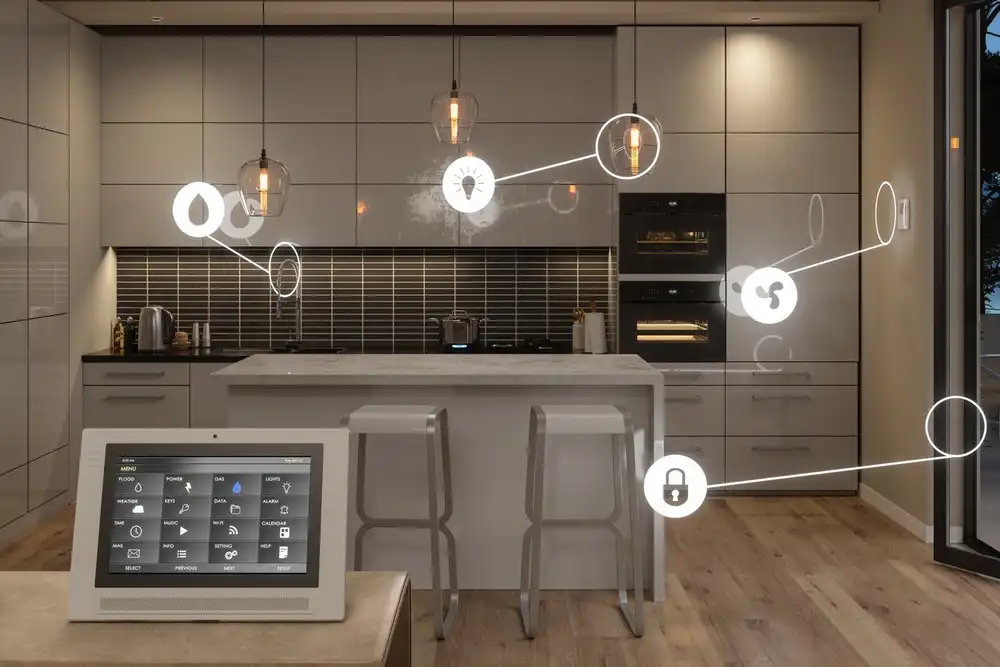
The true potential of these digital helpers is realized when they are part of a larger smart home ecosystem. Integration with thermostats, leak detectors, and kitchen gadgets allows for automation and efficiency. For example, pairing a smart speaker with a thermostat enables voice-controlled temperature adjustments, while connecting to a leak detector can provide instant alerts about water issues.
For those interested in expanding their smart home, exploring what AI kitchen gadgets are popular can provide inspiration for further automation and convenience.
FAQ
How do AI home assistants handle multiple users or voices?
Most modern assistants can recognize different voices and personalize responses. This feature, known as voice matching, allows the device to distinguish between household members and provide tailored information, such as individual calendar events or playlists. However, accuracy can vary, especially in noisy environments or with similar-sounding voices.
Are smart assistants always listening, and does this affect accuracy?
These devices are designed to listen for a wake word (like “Alexa” or “Hey Google”) before activating. While they continuously monitor for this trigger, they do not actively record or process conversations until the wake word is detected. However, false activations can occur, which may lead to unintended responses or privacy concerns.
Can AI assistants work offline?
Basic functions, such as controlling local devices or setting timers, may work without an internet connection on some models. However, most advanced features—including web searches, streaming, and complex automations—require cloud connectivity. Loss of internet access can reduce the assistant’s capabilities and accuracy.
Conclusion
The accuracy of AI home assistants has improved significantly in recent years, but it is not flawless. Performance depends on voice recognition, device integration, and environmental factors. By understanding their strengths and limitations, users can make informed decisions and optimize their smart home experience. As technology evolves, these digital helpers will continue to become more reliable and versatile, making daily life more convenient for households everywhere.