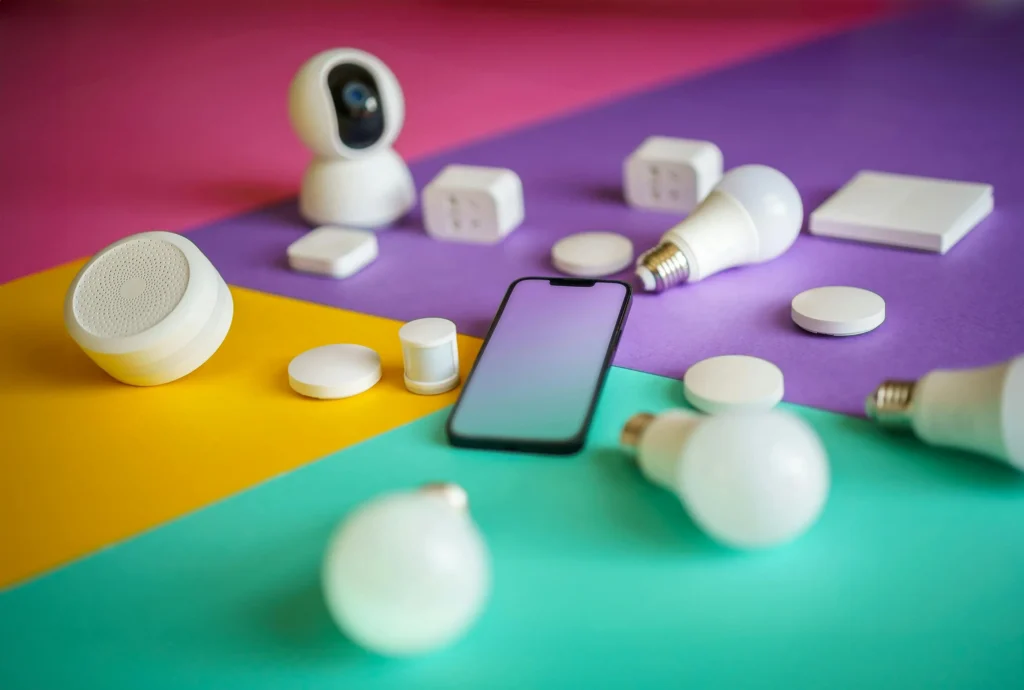
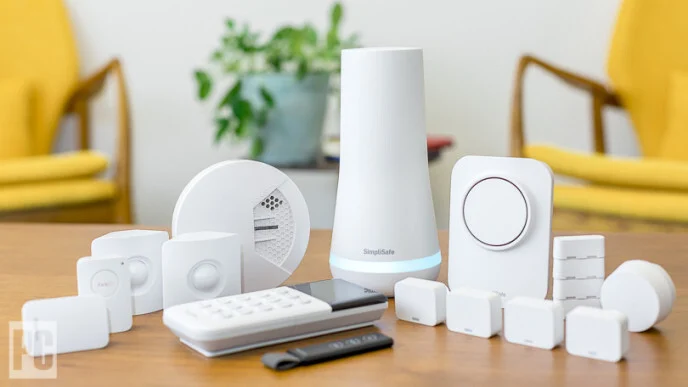
Artificial intelligence is transforming the way we live, especially in our homes. From smart speakers that answer questions to thermostats that learn your preferences, AI-powered devices are making everyday life more convenient and efficient. But how do AI gadgets work in the home, and what technologies are behind their growing popularity? This article explores the core principles, real-world examples, and practical benefits of integrating AI-driven devices into your living space.
Whether you’re curious about voice assistants, smart appliances, or the latest in automated home security, understanding the mechanics of these devices can help you make informed decisions. For those interested in culinary innovation, platforms like AI home chef platforms are also reshaping modern kitchens, blending convenience with personalization.
Understanding the Technology Behind Smart Home Devices
At the heart of most AI-powered home gadgets is a combination of sensors, connectivity, and machine learning algorithms. These components work together to gather data, analyze patterns, and automate tasks. For example, a smart thermostat uses temperature sensors and occupancy detection to adjust heating and cooling based on your routines. Over time, it learns your preferences and optimizes energy use without manual input.
Voice assistants, such as those found in smart speakers, rely on natural language processing (NLP) to interpret spoken commands. When you ask a question or issue a command, the device records your voice, processes it through cloud-based AI, and responds accordingly. This seamless interaction is possible thanks to advances in speech recognition and contextual understanding.
Popular Types of AI Gadgets for Home Use
The range of AI-driven devices for home environments continues to expand. Here are some of the most common categories:
- Smart speakers and displays: These devices, such as Amazon Echo and Google Nest Hub, serve as central hubs for controlling other smart gadgets, playing music, and providing information.
- Intelligent thermostats: Products like the Nest Thermostat use AI to learn your schedule and adjust climate settings for comfort and efficiency.
- Home security systems: AI-enabled cameras and sensors can detect unusual activity, recognize familiar faces, and send alerts to your phone.
- Connected kitchen appliances: From smart ovens to AI-powered utensils, these tools help automate cooking and meal planning. For more on this, see our guide to AI powered smart utensils.
- Leak detectors and environmental sensors: Devices monitor for water leaks, smoke, or air quality issues, alerting you before problems escalate.

How AI Devices Learn and Adapt in Your Living Space
One of the defining features of AI in the home is adaptability. Unlike traditional electronics, these gadgets use ongoing data collection and analysis to improve over time. For instance, a smart speaker might notice you frequently request weather updates in the morning and proactively offer this information as part of your daily routine.
Many AI home gadgets connect to the cloud, where powerful servers process data and update algorithms. This allows devices to benefit from collective learning—improvements made for one user can enhance performance for others. Privacy controls are typically built in, giving users the option to manage what data is shared.
In the kitchen, AI technology in modern cooking is making it easier to follow recipes, track nutrition, and even tailor meals to individual tastes. These advances are part of a broader trend toward personalization and efficiency in home life.
Real-World Examples: Smart Kitchens and Connected Living
The kitchen is quickly becoming a showcase for AI innovation. Smart refrigerators can track expiration dates and suggest recipes based on available ingredients. AI-powered cooking assistants help with timing, temperature control, and even flavor pairing. For those interested in the future of meal prep, AI based smart home cooking ideas highlight how technology is reshaping culinary routines.
Beyond the kitchen, AI is found in robotic vacuum cleaners, lighting systems that adjust to your mood, and even entertainment devices that recommend shows based on your preferences. The integration of these products creates a seamless, responsive environment that anticipates your needs.
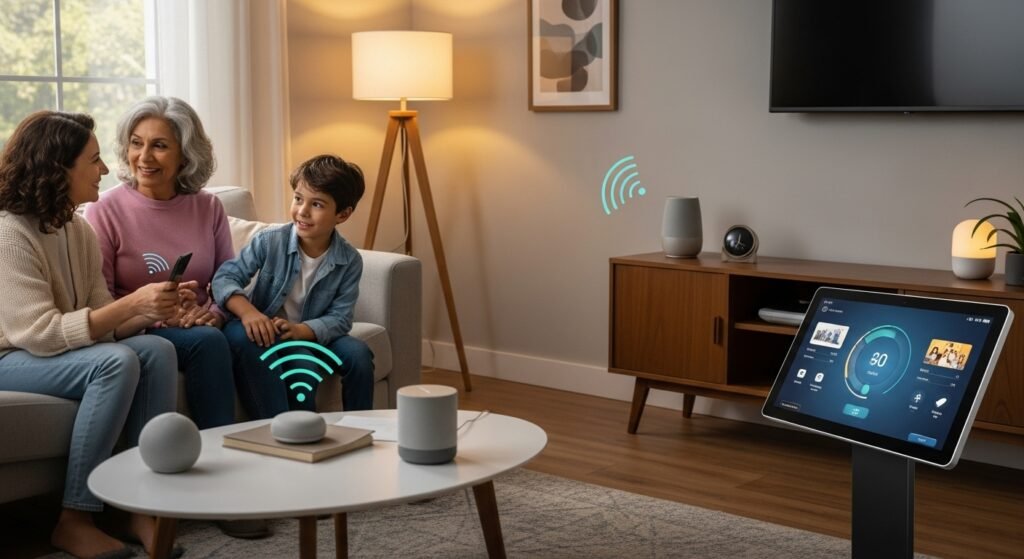
Benefits and Considerations of Bringing AI Into the Home
The main advantages of AI-powered home gadgets include convenience, energy savings, and enhanced security. Automated routines can save time and reduce manual effort, while intelligent systems optimize resource use and provide peace of mind. For example, a smart thermostat can lower heating costs by learning when you’re away, and a leak detector can prevent costly water damage.
However, there are important factors to consider. Privacy and data security remain top concerns for many users. It’s crucial to review device settings and understand what information is collected and how it’s used. Compatibility is another consideration—choosing products that work well together can help avoid frustration and maximize benefits.
For those interested in exploring the broader landscape of intelligent devices, resources like portable AI device roundups and specialized AI technology providers offer insights into the latest trends and innovations.
Integrating AI Gadgets for a Smarter Home Experience
Setting up a connected home starts with identifying your needs and selecting compatible devices. Many products are designed to work with popular ecosystems such as Amazon Alexa, Google Assistant, or Apple HomeKit. Once installed, these gadgets can often be managed through a single app or voice commands, simplifying control and customization.
As AI continues to evolve, expect even greater integration across devices and services. Features like personalized meal planning, adaptive lighting, and predictive maintenance are becoming standard. For those passionate about food, AI powered taste profiling is an emerging area that customizes recipes based on your unique preferences.
Frequently Asked Questions
What makes a home gadget “AI-powered”?
An AI-powered home gadget uses algorithms and data analysis to automate tasks, learn user preferences, and adapt over time. Unlike traditional electronics, these devices can process information and make decisions with minimal human intervention.
Are AI home devices secure and private?
Most smart devices include privacy controls and data encryption, but it’s important to review each product’s policies. Regularly updating firmware and using strong passwords can help protect your information. Always check what data is collected and how it’s used by the manufacturer.
How do I choose the right AI gadgets for my home?
Start by identifying your priorities—whether it’s energy savings, convenience, or security. Research compatibility with your existing devices and preferred platforms. Look for products with positive reviews, clear privacy policies, and ongoing support.