Smart home technology is evolving rapidly, and one of the most intriguing innovations is the integration of artificial intelligence into everyday devices. Among these, AI-powered blinds are gaining attention for their ability to automate natural light management, improve energy efficiency, and enhance comfort. But what exactly makes these blinds “intelligent,” and how do they operate differently from traditional motorized window coverings?
This article breaks down the technology behind automated blinds that use artificial intelligence, explores their core components, and explains how they adapt to your lifestyle and environment. We’ll also look at the benefits, potential challenges, and how these devices fit into the broader landscape of smart home automation.
If you’re interested in how artificial intelligence is transforming other aspects of home life, you might also want to read about what AI devices help reduce electricity bills and discover the broader impact of smart gadgets on energy consumption.
The Technology Behind Automated Window Coverings
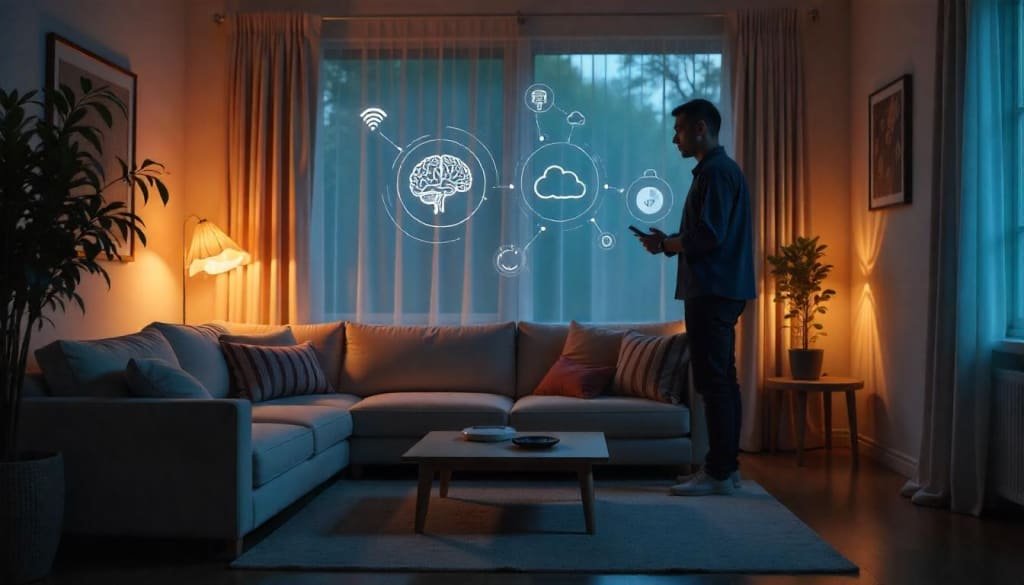
At their core, AI-powered blinds combine sensors, connectivity, and machine learning algorithms to deliver a seamless and adaptive experience. Unlike simple motorized blinds that rely on manual remote controls or basic timers, these advanced systems gather data from their environment and use artificial intelligence to make real-time decisions.
- Sensors: Light, temperature, and motion sensors detect changes in the room and outside environment.
- Connectivity: Wi-Fi or Bluetooth modules allow the blinds to communicate with other smart devices and cloud services.
- Machine Learning: Algorithms analyze data patterns to predict user preferences and optimize blind movement.
- Actuators: Quiet motors physically open or close the blinds based on AI-driven commands.
These components work together to create a system that not only responds to direct commands but also learns and adapts over time, providing a truly intelligent solution for managing natural light and privacy.
How AI Algorithms Control Smart Blinds
The intelligence in these blinds comes from their ability to process information and make decisions without constant user input. Here’s how the process typically works:
- Data Collection: Sensors monitor sunlight intensity, room temperature, time of day, and occupancy.
- Pattern Recognition: The AI system identifies routines, such as when you usually open or close the blinds, and correlates these with environmental factors.
- Decision Making: Based on learned patterns and real-time data, the system automatically adjusts the blinds for optimal comfort and efficiency.
- Continuous Learning: The more you use the system, the better it becomes at predicting your preferences and responding to changes.
For example, if the system notices that you prefer your blinds closed during the hottest part of the afternoon, it will start to do this automatically—even if you forget. Over time, the AI refines its actions based on feedback and new data.
Integration With Other Smart Home Devices
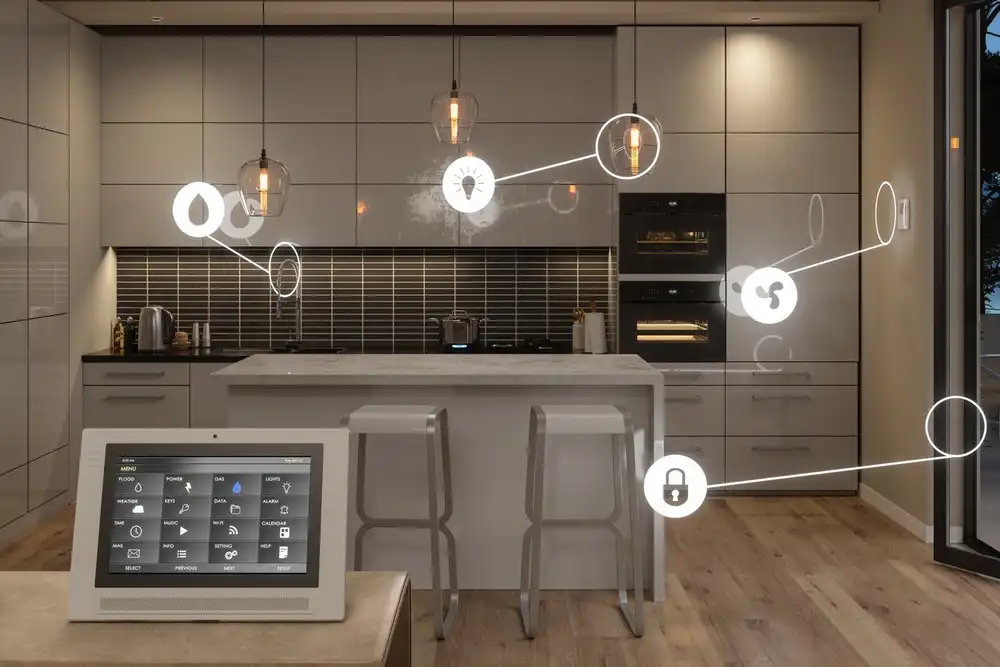
One of the biggest advantages of AI-driven window coverings is their ability to work alongside other smart home products. For instance, they can sync with thermostats to manage heat gain or loss, or with lighting systems to maintain consistent brightness throughout the day.
If you want to learn more about how intelligent gadgets can help regulate your home’s temperature, check out this article on what AI gadgets monitor home temperature.
Many systems are compatible with popular voice assistants, allowing you to control your blinds using simple spoken commands. Some even integrate with security systems, closing automatically when you leave the house or at night for added privacy.
Benefits of Using AI-Driven Blinds
The shift from manual or basic motorized blinds to AI-enhanced solutions offers several practical benefits:
- Energy Efficiency: By optimizing when blinds are open or closed, these systems help reduce heating and cooling costs.
- Convenience: Automated adjustments mean you rarely have to think about your window coverings.
- Personalization: The system learns your habits and tailors its actions to your preferences.
- Improved Comfort: Maintain consistent lighting and temperature throughout the day.
- Enhanced Security: Blinds can close automatically when you’re away, giving the appearance that someone is home.
These features make AI-powered window treatments a valuable addition to any modern home, especially for those looking to maximize comfort and efficiency.
Challenges and Considerations
While the advantages are clear, there are also some factors to consider before installing AI-based blinds:
- Initial Cost: These systems are typically more expensive than standard blinds or basic motorized options.
- Privacy: As with any connected device, there are data privacy considerations. Always review the manufacturer’s privacy policy and security features.
- Compatibility: Not all smart blinds work with every home automation platform. Check for compatibility with your existing devices.
- Maintenance: Sensors and motors may require occasional maintenance or updates to ensure optimal performance.
For a broader perspective on how AI is being integrated into portable devices, you can explore this overview of portable AI technology.
How Intelligent Blinds Fit Into the Smart Home Ecosystem
As smart homes become more sophisticated, devices like AI-powered blinds are increasingly seen as essential components. They not only provide direct benefits but also contribute to a more connected and responsive living environment.
If you’re curious about other AI-driven appliances, you may be interested in learning how an AI fridge tracks food or what is an AI-powered smart fridge to see how artificial intelligence is being used to simplify and optimize daily routines.
FAQ: Smart Blinds and Artificial Intelligence
What Makes AI-Powered Blinds Different From Regular Motorized Blinds?
While both types use motors to move the blinds, AI-powered versions incorporate sensors and learning algorithms. This allows them to adjust automatically based on environmental conditions and user habits, rather than relying solely on manual controls or preset schedules.
Can AI Blinds Help Save Energy in My Home?
Yes, by automatically adjusting to optimize natural light and reduce heat gain or loss, these blinds can help lower heating and cooling costs. This is especially effective when integrated with other smart devices like thermostats.
Are AI-Driven Blinds Difficult to Install and Use?
Most modern systems are designed for straightforward installation and user-friendly operation. Many come with mobile apps for setup and control, and the AI features typically work in the background, requiring minimal input after initial configuration.
How Do AI Blinds Protect My Privacy?
These systems can be programmed to close automatically at certain times or when you leave the house, helping to keep your home private. Always check the privacy settings and data policies of your chosen brand to ensure your information is secure.
What Other Smart Home Devices Work Well With AI Blinds?
AI-powered blinds often integrate with smart thermostats, lighting systems, and voice assistants. This allows for coordinated automation, such as adjusting blinds and lighting together for optimal comfort and efficiency.