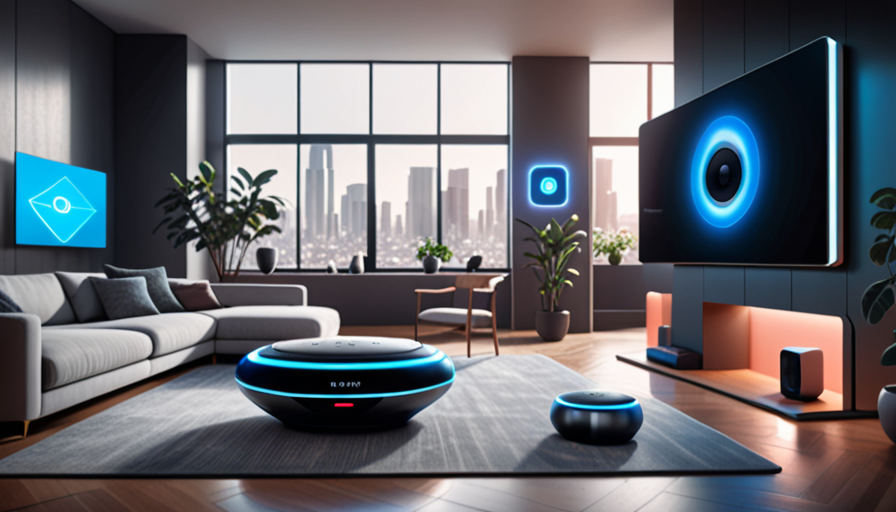
AI-powered smart speakers have become a central part of many modern homes, offering hands-free assistance, music playback, and smart home control. But what makes these devices feel so intuitive and responsive? The answer lies in how they adapt to individual users over time. If you’ve ever wondered how do AI smart speakers learn what you like and anticipate your needs, this guide will break down the technology and processes that enable these devices to personalize your experience.
From recognizing voices to adjusting routines based on your habits, smart speakers use a combination of artificial intelligence, machine learning, and user data to deliver a tailored experience. Understanding these mechanisms can help you make the most of your device and manage your privacy effectively.
If you’re interested in exploring related technology, you might want to learn which AI gadgets save the most energy for your home, or dive deeper into what are AI powered home gadgets and how they work together to create a smarter living environment.
Understanding the Basics: How Voice Assistants Adapt
At the heart of every smart speaker is a sophisticated voice assistant that listens, processes, and responds to your commands. But these devices do more than just follow instructions—they learn from every interaction. The process starts with voice recognition, which allows the speaker to distinguish between different users in your household. Over time, the assistant builds a profile for each person, noting preferences, frequently used commands, and even speech patterns.
The answer to how do AI smart speakers learn lies in their ability to analyze data. Every request, whether it’s playing a song, setting a reminder, or controlling smart lights, provides valuable information. The device uses this data to make predictions and offer suggestions that align with your habits.
Machine Learning in Action: Personalizing Your Experience
Personalization is where these devices truly shine. Through machine learning algorithms, smart speakers identify patterns in your behavior. For example, if you regularly ask for the weather at 7 AM, the assistant may start offering this information proactively. Similarly, if you prefer a certain genre of music in the evening, your device will prioritize those playlists.
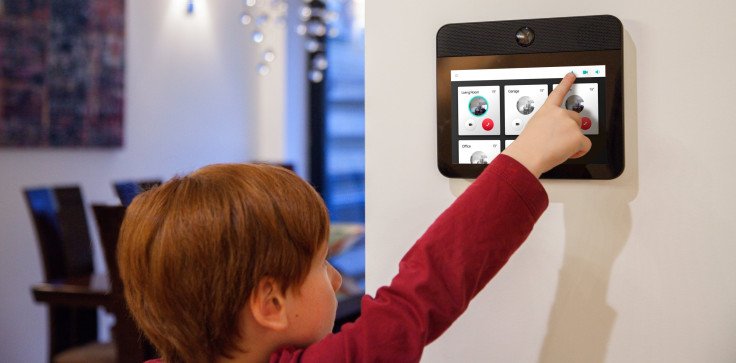
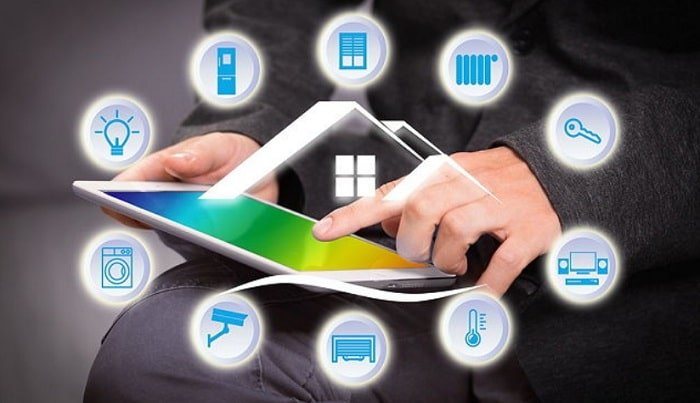
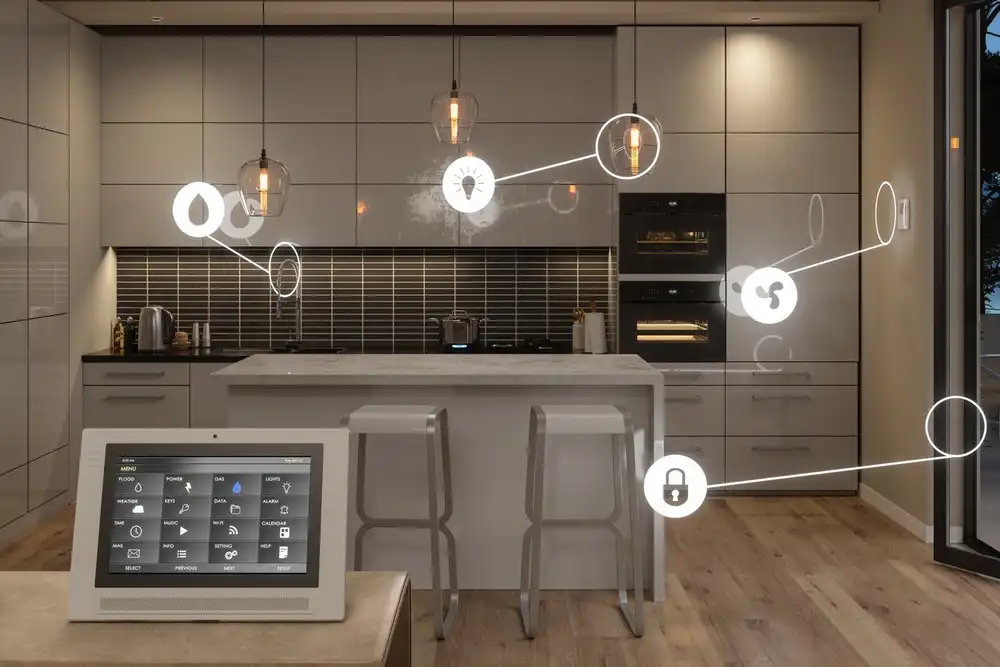
This adaptive technology is not limited to entertainment. Many users rely on their speakers for home automation, such as adjusting thermostats or managing security systems. As the device learns your routines, it can automate tasks or suggest new features, making daily life more convenient.

Data Collection: What Information Is Used?
To provide a personalized experience, smart speakers collect a range of data points, including:
- Voice commands and queries
- Device usage patterns (time of day, frequency, etc.)
- Music and content preferences
- Smart home device interactions
- Location data (if enabled)
This information is processed locally on the device or sent securely to cloud servers, depending on your privacy settings. Manufacturers emphasize that data security and user consent are top priorities, allowing you to manage what is stored and how it’s used.
Voice Profiles and Multi-User Support
Many smart speakers now support multiple voice profiles, making it possible for each family member to have a customized experience. The device recognizes individual voices and tailors responses accordingly. For example, when you ask for your calendar, the assistant references your personal schedule, not someone else’s.
This feature is especially useful in households where several people use the same device. It ensures that reminders, messages, and preferences remain private and relevant to each user.
Privacy and Control: Managing Your Data
While the benefits of personalization are clear, privacy remains a key concern for many users. Most smart speakers offer settings that let you review, delete, or limit the data collected. You can often disable certain features, such as voice recording or location tracking, to maintain control over your information.
For those interested in learning more about the broader impact of artificial intelligence in the home, the article how do AI gadgets work in the home provides a comprehensive overview of the technology behind these devices.
Benefits of Personalized Smart Speakers
As these devices become more attuned to your lifestyle, the advantages multiply:
- Convenience: Automated routines and proactive suggestions save time and effort.
- Relevance: Responses and recommendations are tailored to your interests and needs.
- Efficiency: Frequently used commands and settings are prioritized, streamlining daily tasks.
- Security: Voice profiles help keep personal information private within shared households.
For gift ideas and practical uses of smart home technology, check out these best practical smart home gift ideas for 2025.
Limitations and Considerations
While the technology behind smart speakers is impressive, it’s important to recognize its limitations. Devices may occasionally misinterpret commands or struggle with accents and background noise. Additionally, the quality of personalization depends on the amount and type of data shared.
Users should regularly review privacy settings and stay informed about updates from manufacturers. Balancing convenience with privacy is key to enjoying the full benefits of these devices.
Expanding Your Smart Home Ecosystem
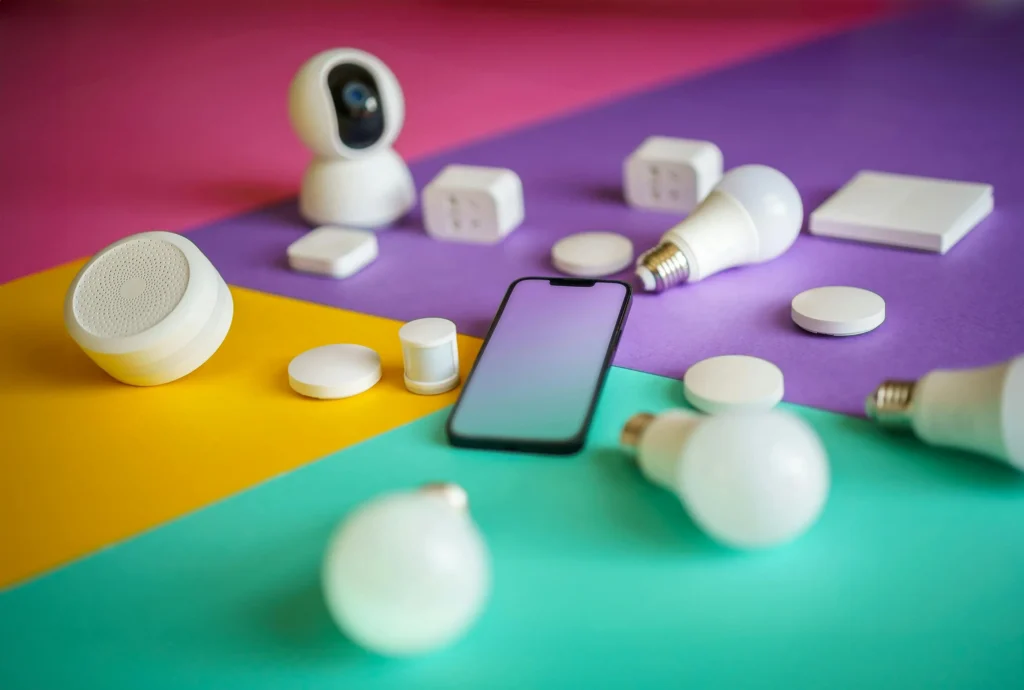
Integrating your smart speaker with other devices can further enhance your home’s intelligence. From thermostats to leak detectors, the ecosystem continues to grow. If you’re considering new additions, you may want to explore whether AI home gadgets are worth it for your specific needs.
For those who love to cook, platforms like AI home chef platforms can simplify meal planning and preparation, working seamlessly with your voice assistant.
FAQ: Common Questions About Smart Speaker Learning
Can I stop my smart speaker from learning my preferences?
Yes, most devices allow you to adjust privacy settings, delete voice recordings, and limit data collection. Check your device’s app or settings menu for options to control what information is stored and used.
How accurate are smart speakers at recognizing different users?
Modern smart speakers use advanced voice recognition to distinguish between users, but accuracy can vary. Factors like background noise, similar voices, or unclear speech may affect recognition. Regular voice training and updates help improve performance.
Is my personal data safe with smart speakers?
Manufacturers implement security measures to protect user data, including encryption and regular software updates. However, it’s important to review privacy policies and manage your settings to ensure your information is handled according to your preferences.
Do smart speakers share my data with third parties?
Most companies state that user data is not sold to third parties without consent. Some anonymized data may be used to improve services. Always review the privacy policy of your device for specific details.
Conclusion
The process by which AI smart speakers learn is a blend of advanced technology and user-driven data. By understanding how these systems operate, you can take full advantage of their features while maintaining control over your privacy. As the smart home landscape evolves, staying informed will help you make the best choices for your household.