As energy costs continue to rise and environmental concerns become more urgent, homeowners are searching for smarter ways to manage heating and cooling. One of the most promising solutions is the adoption of AI-powered thermostats. These intelligent devices use advanced algorithms and real-time data to optimize temperature settings, reduce unnecessary energy consumption, and create a more comfortable living environment. But how do AI thermostats save energy in practical terms, and what makes them different from traditional programmable models?
In this article, we’ll explore the technology behind these smart devices, the specific ways they reduce energy usage, and what you need to know before installing one in your home. If you’re interested in how other AI gadgets can enhance your living space, you might also want to learn how do AI gadgets connect to smart homes for a complete smart home experience.
Understanding the Technology Behind Smart Thermostats
At the heart of every AI thermostat is a combination of sensors, connectivity, and machine learning. Unlike basic programmable thermostats, which follow fixed schedules, these advanced devices analyze your daily routines, occupancy patterns, and even local weather forecasts. By processing this information, they can automatically adjust heating and cooling to match your lifestyle while minimizing waste.
For example, if the system detects that everyone has left the house, it can lower the temperature in winter or raise it in summer, reducing energy use when comfort isn’t needed. Over time, the thermostat “learns” your preferences and fine-tunes its responses, making it more efficient the longer you use it.
Key Ways AI Thermostats Reduce Energy Consumption
The main advantage of these smart devices is their ability to optimize energy use in ways that manual adjustments or standard programmable models cannot. Here are some of the most effective strategies:
- Adaptive Scheduling: AI thermostats create dynamic schedules based on your actual behavior, not just pre-set times. If your routine changes, the thermostat adapts automatically.
- Occupancy Detection: Using motion sensors or smartphone geofencing, the system knows when the house is empty and adjusts the temperature accordingly.
- Weather Integration: By pulling in local weather data, the device can anticipate temperature swings and adjust settings to prevent overcooling or overheating.
- Remote Access: Most models allow you to monitor and control your home’s climate from anywhere using a smartphone app, so you never waste energy heating or cooling an empty house.
- Energy Reports: Many smart thermostats provide detailed feedback on your usage, helping you identify patterns and further reduce waste.

Comparing AI Thermostats to Traditional Models
Many homeowners wonder if upgrading to an AI thermostat is worth the investment. Traditional programmable thermostats can help save energy, but they require manual setup and don’t adapt to changing routines. In contrast, AI-powered devices continuously learn and refine their schedules, which can lead to greater savings and improved comfort.
According to industry studies, households using smart thermostats can reduce their heating and cooling bills by up to 10-15% annually. The actual savings depend on factors like home size, insulation, and climate, but the potential for both cost and energy reduction is significant.
If you’re interested in other AI-driven home appliances, you might find it useful to read about can AI air purifiers detect allergens to see how artificial intelligence is transforming indoor air quality as well.
How AI Thermostats Integrate With Smart Home Systems
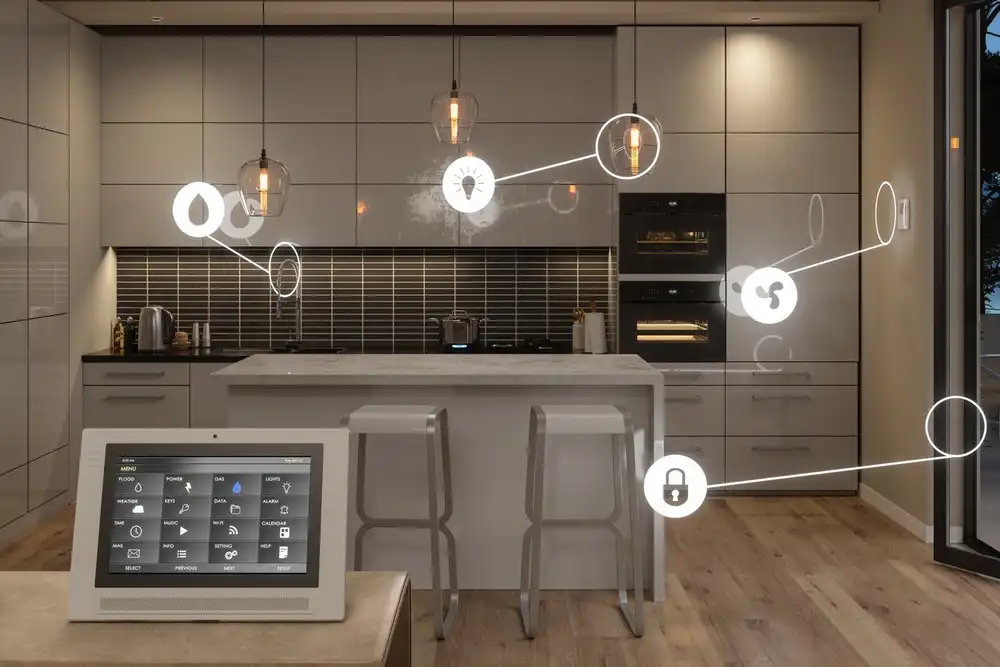
Another advantage of these devices is their ability to work alongside other smart home technologies. Many models are compatible with voice assistants, smart speakers, and even AI-powered air purifiers. This integration allows for seamless control and automation, making it easier to maintain an efficient and comfortable home.
For example, you can set routines where the thermostat adjusts automatically when you lock the door or when your smart speaker detects that you’re home. This level of connectivity not only saves energy but also adds convenience to your daily life.

Tips for Maximizing Savings With Smart Thermostats
To get the most out of your AI thermostat, consider these practical tips:
- Allow Time to Learn: Give your device a few weeks to observe your schedule and preferences. The more data it has, the better it can optimize energy use.
- Use Energy Reports: Review the feedback provided by your thermostat to spot trends and adjust your habits if needed.
- Integrate With Other Devices: Connect your thermostat to compatible smart home products for greater automation and efficiency.
- Keep Sensors Clear: Make sure that motion and temperature sensors are not blocked by furniture or curtains, so the system can accurately detect occupancy and conditions.
- Update Software: Regularly check for firmware updates to ensure your thermostat has the latest features and security patches.
For more on how artificial intelligence is shaping the modern home, see this overview of AI-powered home appliances and technology.
Common Questions About Energy-Saving Thermostats
- Do AI thermostats work with all heating and cooling systems?
- Most smart thermostats are compatible with standard HVAC systems, but it’s important to check the manufacturer’s specifications before purchasing. Some older systems may require additional adapters or may not be supported.
- How much can I expect to save on my energy bills?
- Savings vary based on your home’s size, insulation, climate, and current energy habits. On average, users report reductions of 10-15% in heating and cooling costs after installing an AI thermostat.
- Is installation difficult?
- Many models are designed for DIY installation and come with step-by-step guides. However, if you’re not comfortable working with electrical wiring, it’s best to hire a professional.
- Can I use an AI thermostat if I rent my home?
- Yes, as long as your landlord approves the installation and your HVAC system is compatible. Some devices are designed to be easily removed when you move out.
Final Thoughts on Smart Home Climate Control
AI thermostats represent a significant step forward in home energy management. By learning your habits, responding to real-time data, and integrating with other smart devices, they offer a practical way to cut utility costs and reduce your environmental impact. Whether you’re looking to upgrade your existing system or build a fully connected home, these devices are a smart investment for the future.
Interested in more ways AI can enhance your living space? Explore what AI kitchen gadgets are popular or discover are AI robot vacuums good for pets to see how artificial intelligence is making homes cleaner, safer, and more efficient.