Smart refrigerators have evolved far beyond simple cooling appliances. Today’s connected fridges use artificial intelligence to help households manage groceries, reduce waste, and streamline meal planning. But how does an AI fridge track food inside? This article breaks down the core technologies, explains how these systems work, and explores the benefits and privacy considerations of bringing AI into your kitchen.
If you’re interested in how artificial intelligence is transforming other aspects of home life, you might also want to learn can AI gadgets track energy usage for smarter, more efficient living.
Core Technologies Behind Food Tracking in Smart Refrigerators
The ability of a modern fridge to monitor its contents relies on a mix of sensors, computer vision, and machine learning algorithms. Let’s look at the main components that enable this functionality:
- Internal Cameras: Many AI-powered fridges are equipped with cameras that take regular snapshots of shelves and compartments. These images are analyzed by onboard or cloud-based AI to identify food items.
- Barcode and RFID Scanners: Some models use barcode or RFID scanning to log groceries as they are placed inside. This can be done manually by the user or automatically if the packaging is compatible.
- Weight Sensors: Built-in scales beneath shelves or drawers can detect changes in weight, helping estimate the quantity of certain items.
- AI Algorithms: Advanced image recognition and pattern matching allow the system to distinguish between different types of food, even as packaging or placement changes.
By combining these technologies, a smart fridge can create a digital inventory of what’s inside, track expiration dates, and even suggest recipes based on available ingredients.
How Food Recognition and Inventory Management Work
Understanding how does an AI fridge track food involves looking at the step-by-step process from the moment groceries enter your kitchen to when they’re consumed or discarded.
- Item Detection: When you add new groceries, internal cameras capture images. AI software scans these images to recognize items using a database of common foods and brands.
- Data Logging: The fridge logs detected items, sometimes asking for user confirmation if the AI is unsure. Barcode or RFID scanning can improve accuracy.
- Expiration Tracking: For packaged goods, the system may read expiration dates from barcodes or prompt you to enter them manually. For fresh produce, it estimates shelf life based on type and storage conditions.
- Inventory Updates: As you remove or consume items, the fridge detects changes via cameras or weight sensors and updates the inventory accordingly.
- Notifications and Suggestions: The AI can alert you about expiring foods, suggest recipes, or add items to a shopping list when supplies run low.

Benefits of AI-Driven Food Monitoring
The integration of artificial intelligence in refrigerators brings several practical advantages for households:
- Reduced Food Waste: By tracking expiration dates and sending reminders, these appliances help prevent forgotten items from spoiling.
- Simplified Shopping: With a digital inventory, you know exactly what you have at home, making grocery lists more accurate and shopping trips more efficient.
- Meal Planning: AI can suggest recipes based on what’s available, helping you make the most of your groceries and try new dishes.
- Dietary Management: Some systems allow you to set dietary preferences or restrictions, filtering recipe suggestions and alerts accordingly.
- Remote Access: Many smart fridges let you check contents via a mobile app, so you can see what you need while at the store.
Privacy and Security Considerations
While the convenience of food-tracking fridges is clear, it’s important to consider privacy. These devices collect and process images and data about your household’s eating habits. Manufacturers typically use encryption and secure cloud storage, but users should review privacy settings and data sharing policies.
If you’re exploring other smart home devices, you may also be interested in learning what gadgets use AI for home cleaning to further automate daily routines.

Integration With Other Smart Home Devices
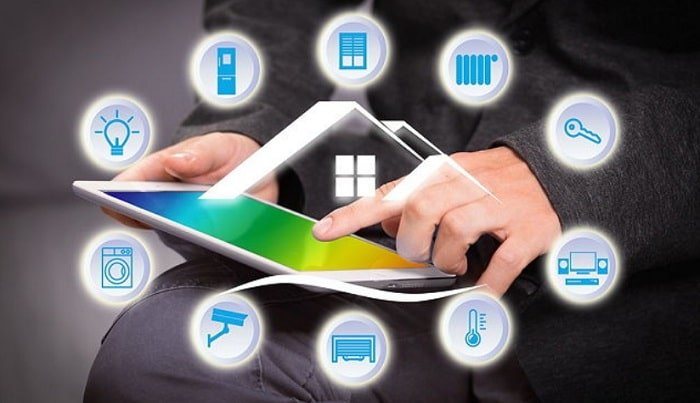
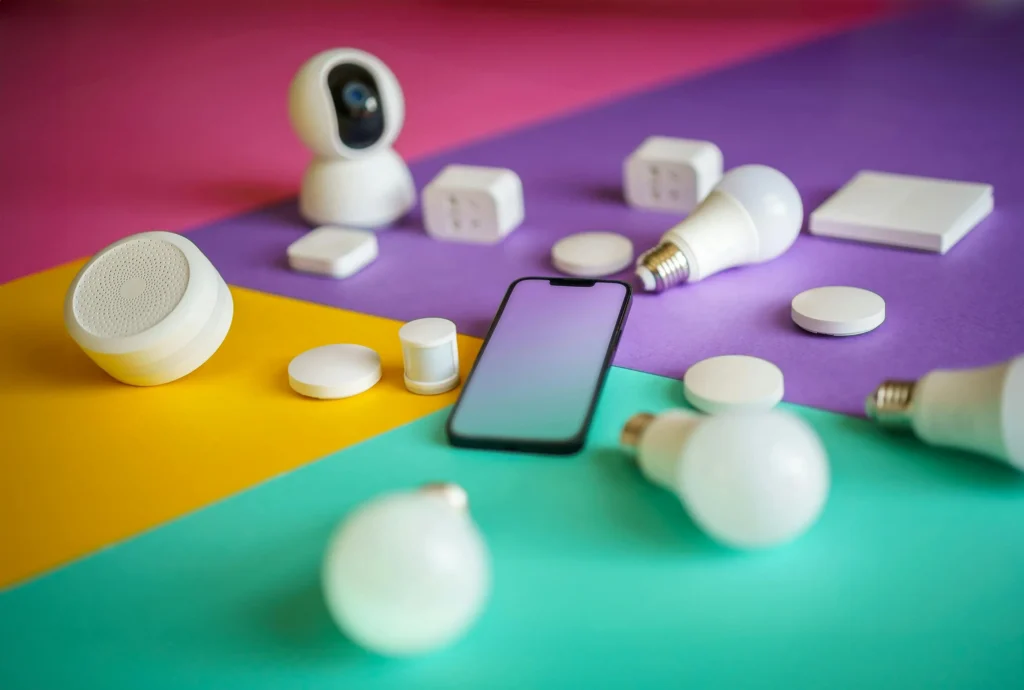
AI fridges are increasingly designed to work with other connected devices in the home. For example, they can sync with smart speakers for voice-activated grocery lists, or communicate with smart thermostats to optimize energy use. If you’re curious about broader smart home automation, you might find it helpful to read about how does an AI sprinkler controller work for outdoor systems.
Some smart fridges can also connect with compatible apps and services, allowing you to order groceries online or share shopping lists with family members. This level of integration is making kitchens more efficient and responsive to daily needs.
Real-World Use Cases and Limitations
While the promise of AI-powered food tracking is impressive, there are some practical limitations. Image recognition can struggle with unpackaged or homemade foods, and not all items have barcodes or RFID tags. Lighting, camera angles, and crowded shelves may affect accuracy. Users may need to confirm or adjust the inventory manually from time to time.
Despite these challenges, the technology continues to improve. For households that want to reduce waste and streamline meal planning, the benefits often outweigh the occasional need for manual input. For more ideas on smart home upgrades, check out practical smart home gift ideas for the latest innovations.
Frequently Asked Questions
What types of food can an AI fridge recognize?
Most AI fridges can identify common packaged goods, produce, beverages, and dairy products. Recognition is most accurate for items with clear packaging or barcodes. Unpackaged or homemade foods may require manual entry.
How does an AI fridge help reduce food waste?
By tracking expiration dates and sending reminders, these appliances help users consume food before it spoils. They also provide inventory lists and recipe suggestions to encourage using what’s on hand.
Is my data safe with a smart refrigerator?
Manufacturers typically use encryption and secure cloud storage for images and inventory data. However, it’s important to review privacy settings and understand what information may be shared with third parties.
Can I access my fridge’s inventory from my phone?
Yes, most smart fridges offer companion apps that let you view contents, manage shopping lists, and receive notifications remotely.
Conclusion
The question of how does an AI fridge track food reveals a blend of advanced hardware and software working together to simplify daily life. By leveraging cameras, sensors, and artificial intelligence, these appliances help households stay organized, reduce waste, and make smarter decisions about food. As the technology matures, we can expect even more seamless integration with other smart home devices and services.
For more on AI-powered home gadgets, you might want to explore are AI window cleaning robots effective and what is an AI powered lawn mower to see how artificial intelligence is reshaping everyday tasks.