As smart home technology continues to evolve, automated cleaning devices are becoming a staple in modern households. Among these, the AI-powered robot mop stands out for its ability to handle floor cleaning with minimal human intervention. But what exactly makes these devices so effective? This article breaks down the essential components and intelligent features that enable these robots to clean efficiently, adapt to different environments, and integrate seamlessly into connected homes.
Understanding the inner workings of these advanced cleaning machines can help you make informed decisions about upgrading your home. If you’re curious about other smart home devices, you might also be interested in learning which AI gadgets save the most energy or exploring what are AI powered home gadgets for broader insights.
The Technology Behind Smart Mopping Robots
At the core of every AI-enabled robot mop is a combination of sensors, algorithms, and mechanical components designed to automate floor cleaning. Unlike traditional robotic cleaners, these devices use artificial intelligence to map rooms, detect obstacles, and optimize cleaning paths.
Most models are equipped with a suite of sensors, including lidar, infrared, and bump sensors. These allow the robot to scan its surroundings, avoid furniture, and identify areas that need extra attention. The AI software processes this data in real time, enabling the device to navigate efficiently and avoid getting stuck.
How AI-Powered Navigation Works
One of the defining features of modern robot mops is their ability to create detailed maps of your home. Using lidar or visual simultaneous localization and mapping (vSLAM), the robot scans the environment and builds a digital floor plan. This map is then used to plan the most efficient cleaning route, ensuring that every section of the floor is covered without unnecessary repetition.
Advanced models can even recognize different rooms and floor types, adjusting their cleaning patterns accordingly. For example, the robot may use more water and scrubbing power on tile or linoleum, while reducing moisture on hardwood to prevent damage. This adaptability is a direct result of the AI’s ability to learn from previous cleaning cycles and user preferences.

Cleaning Mechanisms and Water Management
The cleaning process involves more than just moving across the floor. AI robot mops are equipped with water tanks, microfiber pads, and sometimes even scrubbing brushes. The AI system determines how much water to dispense based on floor type and dirt level, which helps prevent over-wetting and ensures optimal results.
Some models feature dual water tanks—one for clean water and one for dirty water. This allows the robot to rinse its mop pads during cleaning, reducing the risk of spreading dirt around. The AI monitors tank levels and will return to its base station for refilling or pad cleaning as needed.
Obstacle Detection and Adaptive Cleaning
Navigating a home isn’t always straightforward. Furniture, pets, and dropped objects can all present obstacles. AI-powered robot mops use a combination of sensors and machine learning to identify and avoid these hazards. Over time, the robot learns common obstacles in your home and adjusts its path to minimize collisions.
Some devices can even recognize specific objects, such as charging cables or pet bowls, and avoid them entirely. This level of adaptability is a significant improvement over earlier robotic cleaners, which often became stuck or tangled.
Integration With Smart Home Systems
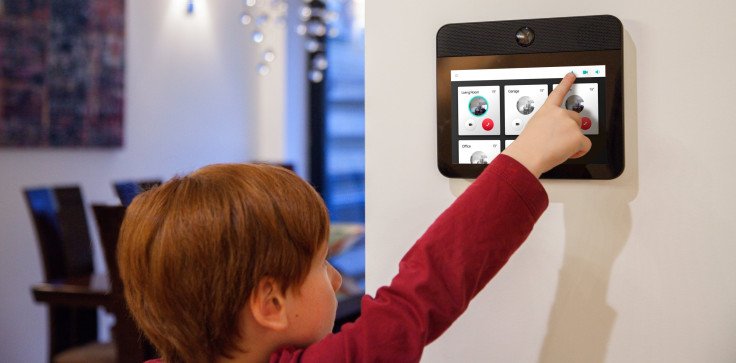
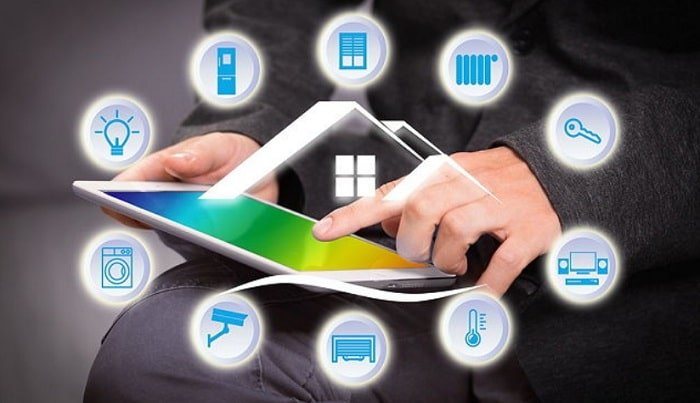
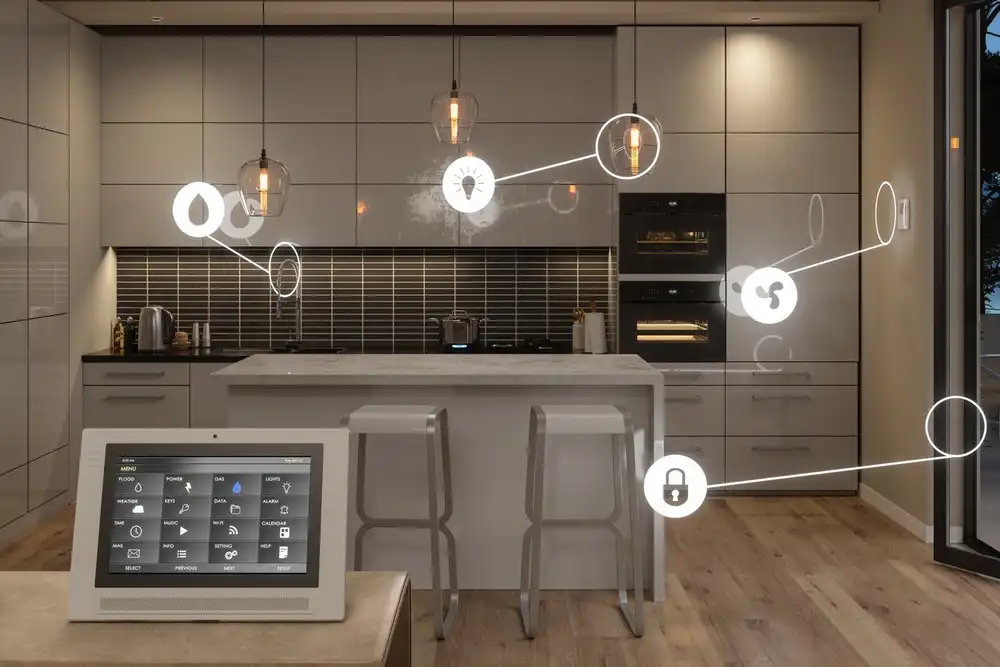
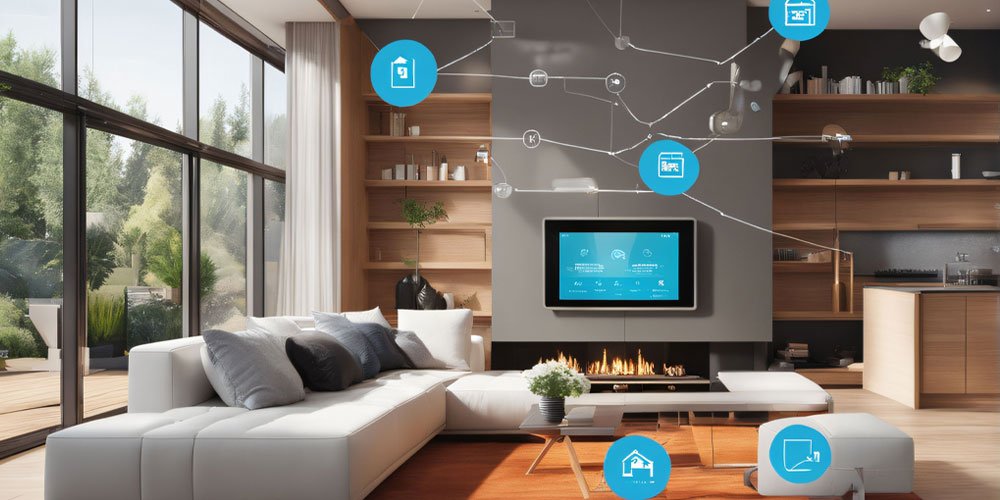
Many AI robot mops can be connected to home Wi-Fi networks and controlled via smartphone apps or voice assistants. This connectivity allows users to schedule cleaning sessions, set no-go zones, and monitor progress remotely. Integration with platforms like Alexa or Google Assistant means you can start or stop cleaning with simple voice commands.
For those interested in a fully connected home, these mops can be part of a broader ecosystem of devices. To discover more about how intelligent gadgets interact in the home, see the article on how do AI gadgets work in the home.
Benefits of Using Intelligent Mopping Devices
The main advantage of AI-powered robot mops is convenience. They save time and effort by automating a repetitive household chore. Their ability to adapt to different surfaces and learn from their environment leads to more thorough and efficient cleaning.
Additionally, these devices can help maintain a healthier home by ensuring floors are cleaned regularly, which is especially beneficial for households with children or pets. Their smart features also reduce the risk of water damage and help conserve resources by using only as much water and cleaning solution as necessary.
Choosing the Right AI Mop for Your Home
When selecting an AI-enabled mop, consider factors such as battery life, water tank capacity, mapping capabilities, and compatibility with your existing smart home setup. Reading reviews and comparing features can help you find a model that fits your needs and budget.
For a broader look at smart home technology, you can explore the best smart home devices available today. If you’re weighing the value of these investments, the article on are AI home gadgets worth it offers useful insights.
FAQ
What sensors do AI robot mops use to navigate?
Most models use a combination of lidar, infrared, and bump sensors. Lidar helps map the room, infrared detects obstacles, and bump sensors provide feedback when the device encounters furniture or walls. These sensors work together with AI algorithms to create efficient cleaning routes and avoid obstacles.
Can these devices distinguish between different floor types?
Yes, advanced AI mops can recognize various surfaces, such as tile, hardwood, and carpet. The device adjusts its cleaning method—such as water usage and scrubbing intensity—based on the detected floor type to ensure optimal results and prevent damage.
How do AI robot mops handle obstacles like cables or pet bowls?
Through a combination of visual and proximity sensors, these robots can identify and avoid common household obstacles. Over time, the AI learns the layout of your home and adapts its cleaning path to minimize the risk of getting stuck or tangled.
Are these devices easy to maintain?
Maintenance typically involves emptying and refilling water tanks, cleaning or replacing mop pads, and occasionally wiping sensors. Many models provide app notifications when maintenance is required, making upkeep straightforward.
Do AI robot mops work well in homes with pets?
Yes, these devices are well-suited for homes with pets. Their smart navigation helps avoid pet bowls and toys, and regular cleaning can help reduce pet hair and dander on floors.
To learn more about how artificial intelligence is transforming home life, check out the guide to AI home chef platforms that simplify cooking.