
In today’s rapidly advancing world, technology has become an integral part of our daily lives. One significant advancement is the development of smart homes, which are proving to be especially beneficial for disabled individuals. These homes are equipped with advanced technology that can substantially improve the quality of life for those with disabilities. In this article, we’ll explore how smart homes help disabled people lead more independent and fulfilling lives.

What Are Smart Homes?
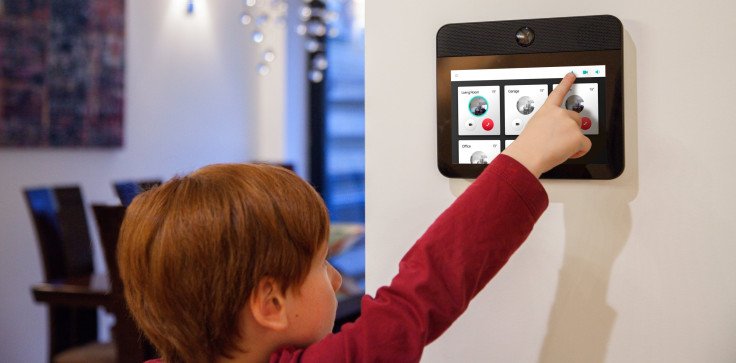
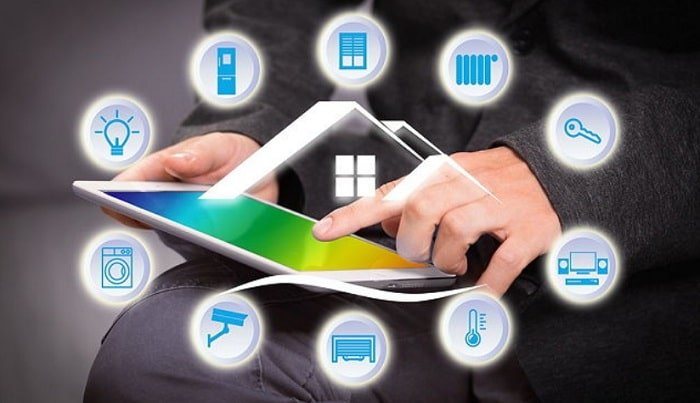
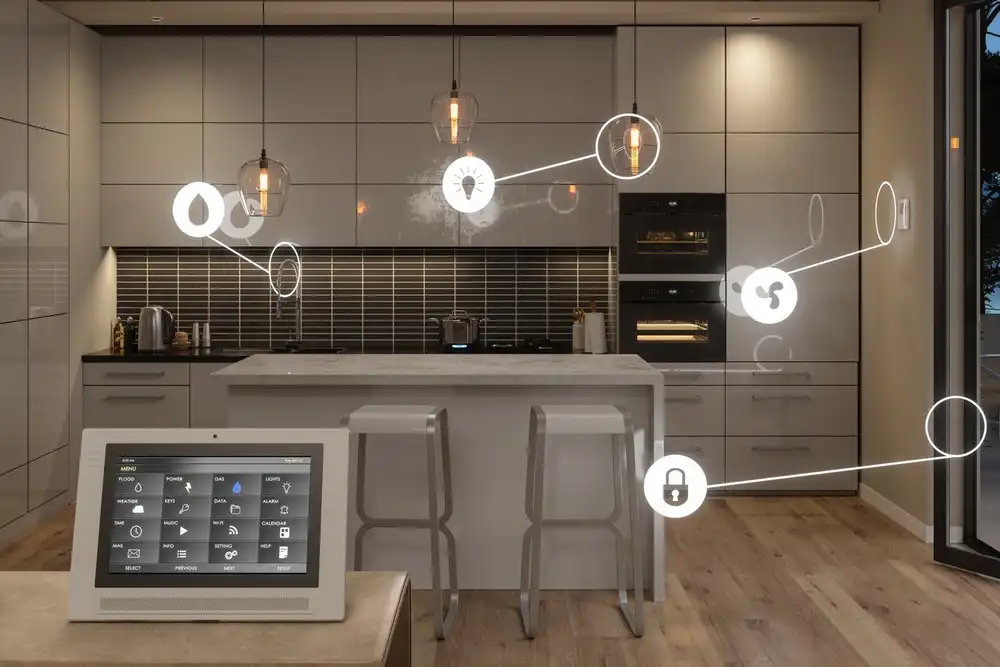
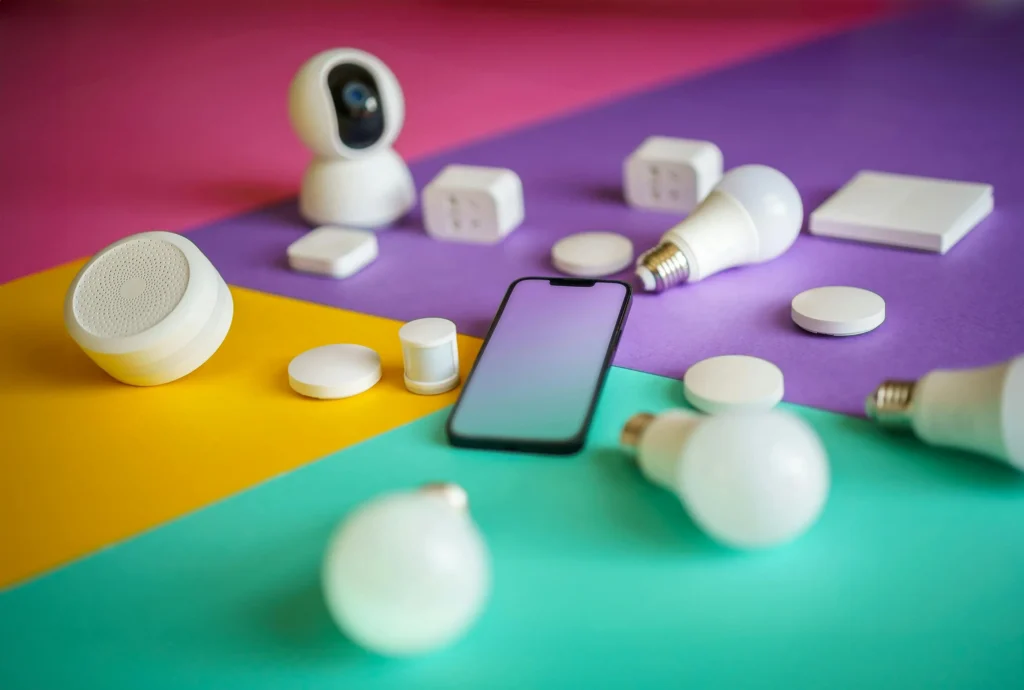
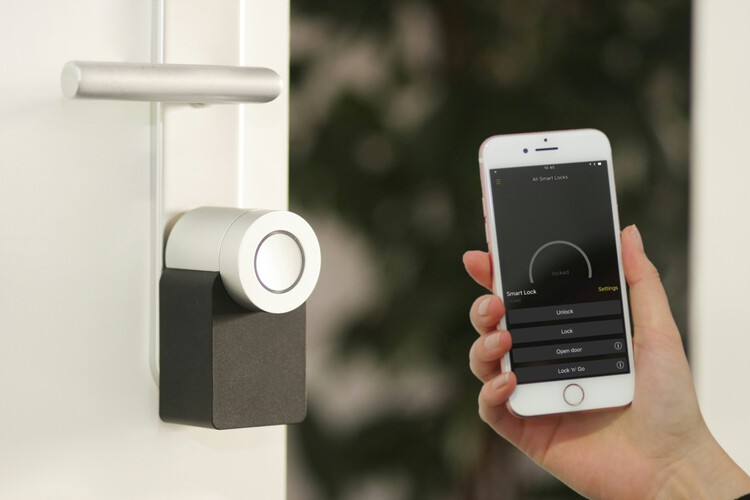
Smart homes are residences equipped with devices that can be controlled remotely by smartphones, tablets, or computers. These homes utilize the Internet of Things (IoT) to connect appliances and systems, allowing for seamless automation and control. From lighting and climate control to security systems, smart homes offer convenience and enhanced functionality.
Key Features of Smart Homes for Disabled Individuals
Smart homes come with various features that cater specifically to the needs of disabled individuals:
- Voice-activated assistants like Amazon Alexa or Google Home can perform tasks such as turning on lights or adjusting thermostats.
- Automated doors and windows provide easy access for those with mobility issues.
- Smart lighting systems can be programmed to suit an individual’s needs, providing better visibility and safety.
- Security systems with cameras and sensors offer peace of mind and can notify emergency contacts if needed.
How Smart Homes Enhance Independence
For disabled individuals, independence is a crucial aspect of life. Smart homes can significantly enhance this independence by:
- Reducing reliance on caregivers for daily tasks, such as controlling home environments.
- Providing the ability to manage home appliances from a distance, increasing autonomy.
- Offering remote health monitoring devices, enabling individuals to keep track of their health without leaving home.
- Facilitating communication with family and friends through integrated smart communication systems.
Technological Solutions for Different Disabilities
Smart homes cater to various types of disabilities, offering tailored solutions:
Mobility Impairments
For individuals with mobility impairments, smart homes can offer:
- Automated wheelchairs that connect with home systems for easy navigation.
- Voice-activated commands to control home features without physical movement.
Visual Impairments
Smart home technology for the visually impaired includes:
- Smart lights that adjust based on voice commands or pre-set schedules.
- Audio alerts for security systems to notify about any unusual activity.
Hearing Impairments
For those with hearing impairments, smart homes can provide:
- Visual alerts for doorbells or alarms, integrated with smart devices.
- Smart video calling systems that facilitate communication.
Challenges and Considerations
While smart homes offer numerous benefits, there are challenges to consider:
- Cost: The initial setup and maintenance can be expensive, making it less accessible for some.
- Privacy concerns: As smart homes collect data, ensuring privacy and data security is essential.
- Technical issues: Users may face challenges with troubleshooting and maintaining smart home networks. For tips on this, you can refer to smart home networks.
Real-life Examples
Several success stories highlight how smart homes have transformed lives:
- John’s Story: John, a paraplegic, uses a smart home system that allows him to control his environment through voice commands, providing him with newfound independence.
- Maria’s Journey: Maria, who is visually impaired, utilizes smart lighting and audio alerts to navigate her home securely and confidently.
Future of Smart Homes for Disabled Individuals
The future of smart homes is promising, with continuous advancements in technology:
- Increased integration of AI and machine learning for more personalized experiences.
- Enhanced affordability and accessibility of smart home technology.
- Innovations in health monitoring systems to support aging in place.
Conclusion
Smart homes are not just a luxury but a necessity for many disabled individuals seeking independence and improved quality of life. As technology continues to evolve, the potential for smart homes to support disabled individuals will only expand, making everyday life more accessible and empowering.
Frequently Asked Questions
What are the main benefits of smart homes for disabled people?
Smart homes offer numerous benefits, including increased independence, safety, and convenience. They reduce reliance on caregivers and provide tailored solutions for various disabilities.
Are smart homes expensive to set up?
While the initial setup can be costly, the long-term benefits often outweigh the costs. Additionally, as technology advances, prices are expected to become more affordable.
How do smart homes ensure data privacy?
Smart home systems often come with security features to protect user data. It’s crucial to choose reliable services and regularly update security settings to ensure privacy.
For more information on smart home solutions, you can visit the Short Rental Association website.