In today’s rapidly evolving world, technology is significantly reshaping various aspects of our lives. One of the most notable advancements is the advent of smart homes. These homes, equipped with state-of-the-art technology, not only offer convenience and control but also have a profound impact on various industries, including insurance. Understanding how smart homes impact insurance is crucial for homeowners and insurers alike.
For homeowners, smart homes offer enhanced security, energy efficiency, and convenience. For insurers, these technological advancements provide opportunities to reassess risk and potentially offer more tailored policies. In the following sections, we will delve deeper into how smart homes influence the insurance landscape.

What are Smart Homes?
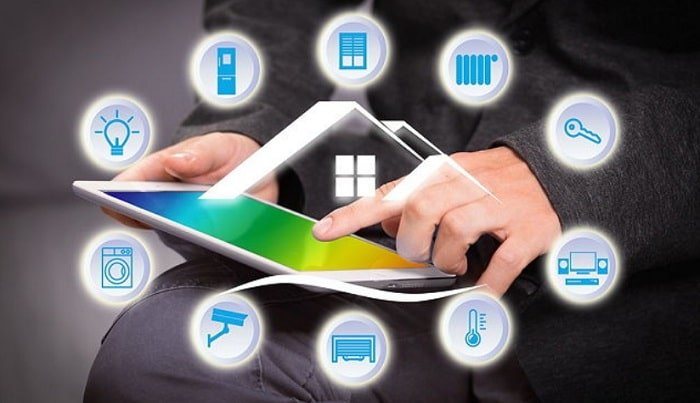
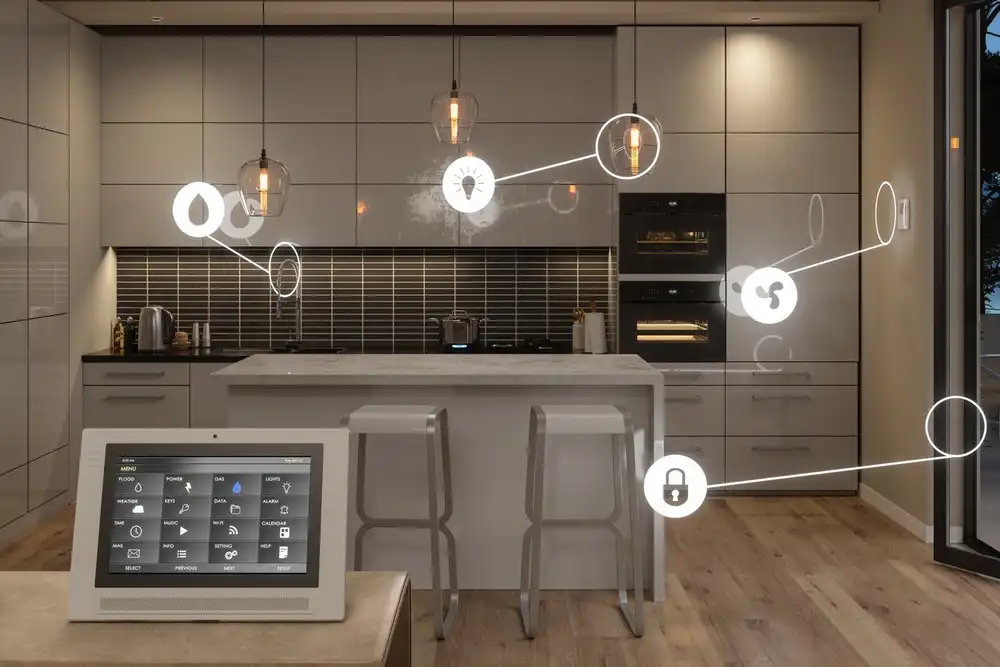
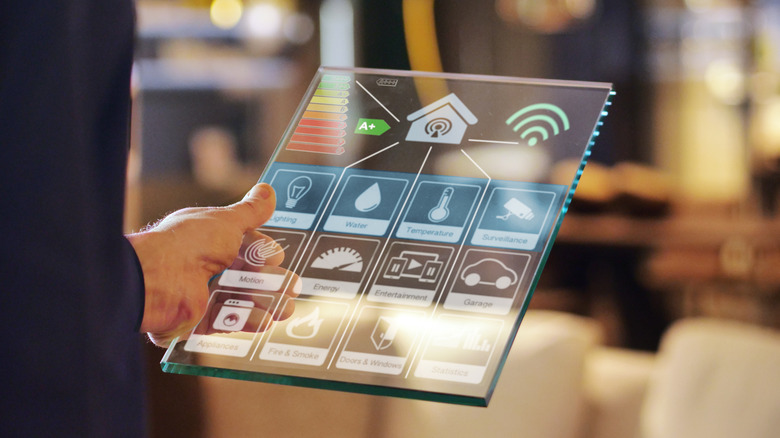
Smart homes are residences that incorporate advanced automation systems to control lighting, heating, security, and other home functions remotely. These systems can be managed via smartphones, tablets, or computers, providing homeowners with real-time data and control over their home environment. The integration of artificial intelligence and the Internet of Things (IoT) plays a crucial role in the functionality of smart homes.
Technological Features of Smart Homes
1. Security Systems
One of the most significant features of smart homes is their advanced security systems. These systems often include surveillance cameras, smart locks, and motion detectors that can alert homeowners of any unusual activity. This enhanced security can help in reducing the risk of theft or damage, which is a critical factor for insurance purposes.
2. Energy Management
Smart homes utilize energy-efficient technologies that not only help in reducing utility bills but also contribute to a more sustainable environment. Features like smart thermostats and lighting systems allow homeowners to manage energy consumption effectively. This can lead to incentives from insurance companies as energy-efficient homes are often seen as less risky.
3. Automation and Control
Smart homes offer unparalleled automation and control, allowing homeowners to manage various functions remotely. Whether it’s adjusting the thermostat or ensuring the doors are locked, the level of control offered by smart homes adds a layer of convenience and security. This can be particularly beneficial for a second property, providing peace of mind to owners.
Influence on Insurance Premiums
The introduction of smart home technologies has led to a shift in how insurance companies assess risk and determine premiums. Here are some ways in which smart homes impact insurance premiums:
1. Reduced Risk of Claims
The advanced security features offered by smart homes significantly reduce the risk of burglary and property damage. Insurance companies recognize this reduced risk, which can result in lower premiums for homeowners with smart home systems. The presence of smart carbon monoxide detectors further adds to the safety quotient, potentially lowering premiums.
2. Data-Driven Risk Assessment
With smart homes, insurers have access to a wealth of data that can be used for risk assessment. This data allows insurance companies to tailor policies based on individual home characteristics, leading to more personalized coverage and potentially lower premiums.
3. Incentives for Smart Features
Many insurance companies offer incentives for homes equipped with smart features. These incentives can range from discounts on premiums to additional coverage options, making smart homes an attractive option for homeowners looking to save on insurance costs.
Challenges and Considerations
While smart homes offer numerous benefits, there are also challenges and considerations that homeowners and insurers must be aware of:
1. Privacy Concerns
With the increased connectivity of smart homes, privacy concerns are a significant consideration. Homeowners must ensure that their data is protected and that their smart home systems are secure from cyber threats.
2. Technology Dependence
The reliance on technology can be a double-edged sword. While it offers convenience, it also means that any technical malfunction can lead to significant disruptions. Homeowners should have contingency plans in place, such as understanding how to manage smart home during power outages.
3. Cost of Installation and Maintenance
Installing smart home systems can be expensive, and ongoing maintenance is required to ensure optimal performance. Homeowners should weigh the initial costs against the potential savings on insurance and energy bills.
Future of Smart Homes and Insurance
The future of smart homes and insurance is promising, with technology continuing to evolve and offer new possibilities. As more homes adopt smart technologies, insurance companies will likely continue to adapt their policies to reflect these advancements. Homeowners can expect more personalized and flexible insurance options that cater to the unique characteristics of their smart homes.
Furthermore, the integration of home automation in insurance policies will likely become more prevalent, offering homeowners additional benefits and incentives.

FAQs
1. How do smart homes affect insurance premiums?
Smart homes can lead to lower insurance premiums due to their advanced security features and energy efficiency, which reduce the risk of claims.
2. Are there any privacy concerns with smart homes?
Yes, privacy is a significant concern with smart homes. Homeowners should ensure their data is secure and protected from potential cyber threats.
3. What are the benefits of smart homes for insurers?
For insurers, smart homes provide valuable data for risk assessment, allowing for more personalized policies and potentially lower premiums.