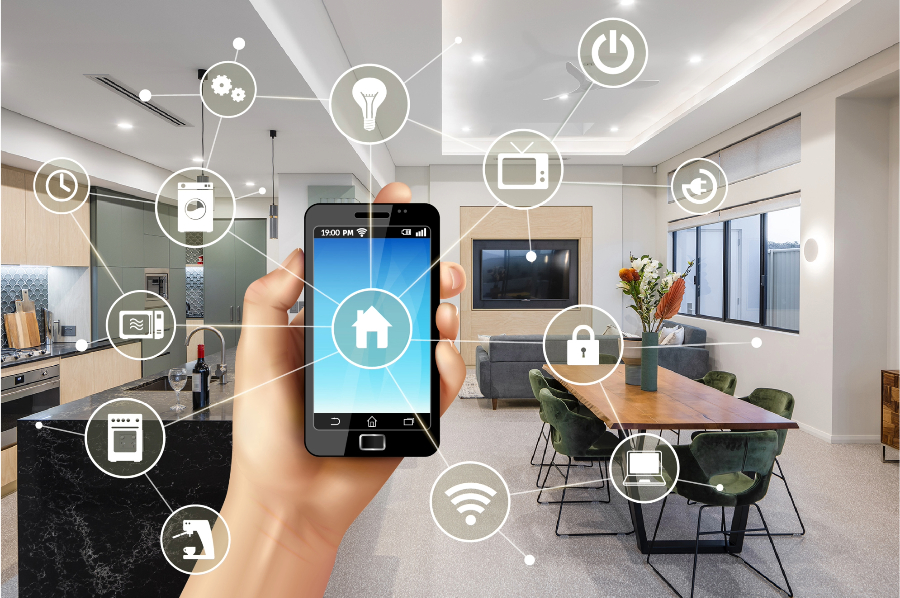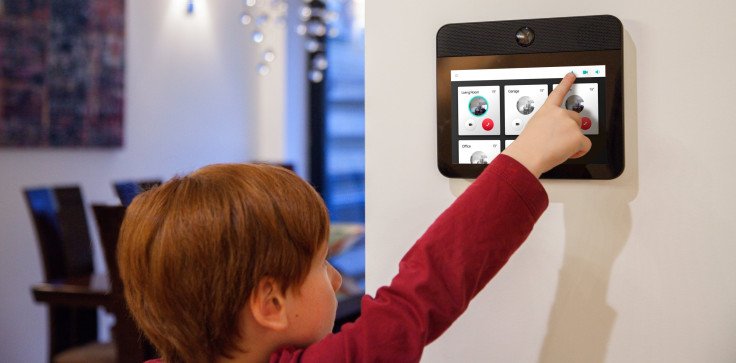

The idea of a smart home is no longer a distant dream. It is a reality that many homeowners are embracing today. One of the key components that make a home smart is the use of motion sensors. These sensors play a pivotal role in enhancing security, energy efficiency, and convenience. In this article, we will explore the significance of motion sensors for smart homes and how they can transform your living space.

What Are Motion Sensors?
Motion sensors are devices that detect physical movement within a specific area. They use different technologies such as infrared, microwave, and ultrasonic waves to detect movement. When integrated into a smart home system, they can trigger various actions such as turning on lights, sending alerts, or activating security cameras.
The Role of Motion Sensors in Home Security
Enhancing Security Measures
Motion sensors are crucial in enhancing the security of a smart home. They can be strategically placed around the home to detect any unauthorized movement. Once movement is detected, the system can alert homeowners via their smartphones or trigger alarms to deter intruders.
Integration with Security Cameras
Many smart homes integrate motion sensors with security cameras. This integration allows cameras to start recording only when motion is detected, ensuring that storage is used efficiently and homeowners are only alerted to significant events.
Energy Efficiency and Motion Sensors
Smart Lighting Solutions
Motion sensors can significantly contribute to energy savings in a smart home. By controlling lighting systems, they ensure that lights are only on when needed. For instance, lights can automatically turn off when no motion is detected for a specified period.
Optimizing Heating and Cooling
In addition to lighting, motion sensors can optimize heating and cooling systems. By detecting when a room is occupied, the system can adjust temperatures accordingly, leading to reduced energy consumption and lower utility bills.
Convenience and Comfort in Smart Homes
Automating Daily Tasks
One of the significant benefits of motion sensors is the convenience they bring to daily life. Tasks such as turning on lights, adjusting thermostats, or even opening blinds can be automated based on motion detection, creating a seamless living experience.
Customizable Settings
Smart home systems allow users to customize the settings of their motion sensors to suit their preferences. This customization can include setting sensitivity levels, defining specific zones, and scheduling when the sensors are active.
Challenges and Considerations
Privacy Concerns
While motion sensors offer numerous benefits, they also raise privacy concerns. The constant monitoring and data collection can be unsettling for some individuals. It is essential to understand how data is used and ensure that privacy settings are appropriately configured. For more information, you can read about privacy in smart home systems.
Choosing the Right System
With various types of motion sensors available, choosing the right one for your home can be challenging. Factors such as the size of your home, the level of security required, and budget considerations should be taken into account. For more smart home automation ideas, visit smart home automation ideas.
The Future of Motion Sensors in Smart Homes
The evolution of motion sensors is ongoing, with advancements in technology promising even more efficient and sophisticated systems. As the smart home industry grows, we can expect to see more innovative uses of motion sensors, enhancing the way we live and interact with our homes.
Conclusion
In conclusion, motion sensors for smart homes are integral to creating a secure, efficient, and convenient living environment. By understanding their functions and benefits, homeowners can make informed decisions on incorporating these devices into their homes. Whether it’s for security, energy savings, or convenience, motion sensors are set to play a crucial role in the future of home automation.
For further reading on the benefits of home automation, check out this informative article on the benefits of home automation.

FAQs
How do motion sensors work in smart homes?
Motion sensors detect movement using infrared, microwave, or ultrasonic waves. They can trigger actions like turning on lights or sending alerts when movement is detected.
Can motion sensors help save energy?
Yes, by controlling lighting and optimizing heating and cooling systems, motion sensors can significantly reduce energy consumption in smart homes.
Are there privacy concerns with using motion sensors?
While motion sensors offer many benefits, they can raise privacy concerns due to constant monitoring. It is important to configure privacy settings properly to protect personal data.