
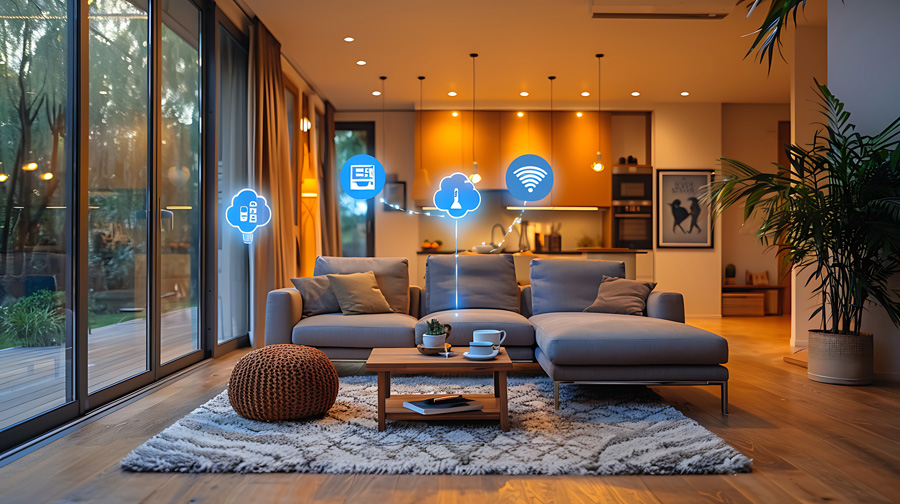
In today’s fast-paced world, the concept of smart home automation has revolutionized how we interact with our living spaces. While many systems rely heavily on internet connectivity, the growing trend of offline smart home automation has gained traction for its reliability and security. This article delves into the nuances of offline smart home automation, exploring its benefits, components, and how you can implement it in your own home.

Understanding Offline Smart Home Automation
Offline smart home automation refers to systems that operate without the need for an internet connection. Unlike traditional setups that rely on cloud services, offline systems use local networks, making them faster and more secure. This approach ensures that your devices continue to function seamlessly even when your internet is down.
Benefits of Going Offline
Enhanced Security
One of the primary advantages of offline systems is enhanced security. With no data being sent to the cloud, the risk of hacking and unauthorized access is significantly reduced. This is particularly beneficial for users who prioritize privacy and data protection.
Reliability and Speed
Offline systems are known for their reliability. Since they do not rely on external servers, they are not affected by internet outages. This ensures that your smart home continues to function smoothly regardless of connectivity issues.
Cost-Effective
By eliminating the need for constant internet connectivity, offline systems can be more cost-effective in the long run. You save on data usage and reduce the risk of incurring costs from potential cloud service subscriptions.
Components of an Offline Smart Home System
Local Hub
A local hub acts as the brain of your offline system, coordinating communication between devices. It processes commands and ensures everything works in harmony.
Smart Devices
From lights and thermostats to security cameras and locks, a variety of smart devices can be integrated into an offline system. These devices communicate with each other through the local hub, ensuring seamless operation.
Protocols and Standards
Protocols like Z-Wave and Zigbee are popular choices for offline smart home systems. They facilitate communication between devices without the need for the internet. It’s essential to choose devices that are compatible with these protocols for optimal performance.
Setting Up Your Offline Smart Home
Choosing the Right Hub
Selecting the right hub is crucial for an effective offline system. Consider factors like compatibility, ease of use, and the range of devices it supports. Popular choices include Samsung SmartThings and Hubitat.
Integrating Devices
Once you have your hub, the next step is integrating your smart devices. Ensure they are compatible with the hub and support offline functionality. This may involve updating firmware or adjusting settings for optimal performance.
Customizing Automations
With your devices connected, you can start creating custom automations. This could be as simple as setting your lights to turn on at sunset or as complex as coordinating multiple devices for a comprehensive security system.
Challenges and Considerations
Compatibility Issues
One of the challenges of offline systems is ensuring compatibility between devices. It’s important to research and select products that work well together to avoid integration issues.
Limited Features
While offline systems offer numerous benefits, they may lack some features available in cloud-connected systems. For instance, remote access and voice control may be limited or require additional setup.
Future of Offline Smart Home Automation
The future of offline smart home automation is promising. As technology advances, we can expect more devices and solutions that support offline functionality, offering users greater control and flexibility. This aligns with the growing demand for privacy-focused solutions in the smart home industry.
For more insights on home automation, you can explore this external resource.
Conclusion
In conclusion, offline smart home automation offers a secure, reliable, and cost-effective solution for modern homeowners. By understanding its benefits, components, and challenges, you can create a smart home that meets your needs while prioritizing privacy and functionality. As the industry evolves, offline systems will continue to play a pivotal role in shaping the future of smart homes.
FAQs
Can offline smart home systems work without electricity?
No, offline systems still require electricity to function. However, they do not rely on internet connectivity.
Are offline smart home systems difficult to set up?
While setup can vary depending on the system, most offline setups are designed to be user-friendly with detailed instructions.
Do offline systems support voice control?
Some offline systems can support voice control through local processing, but it may require additional setup and compatible devices.


