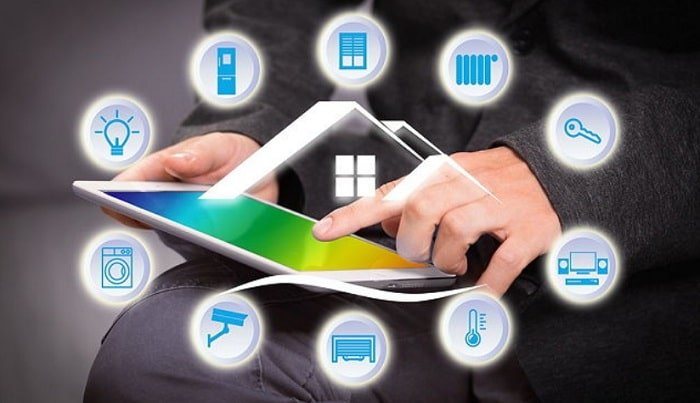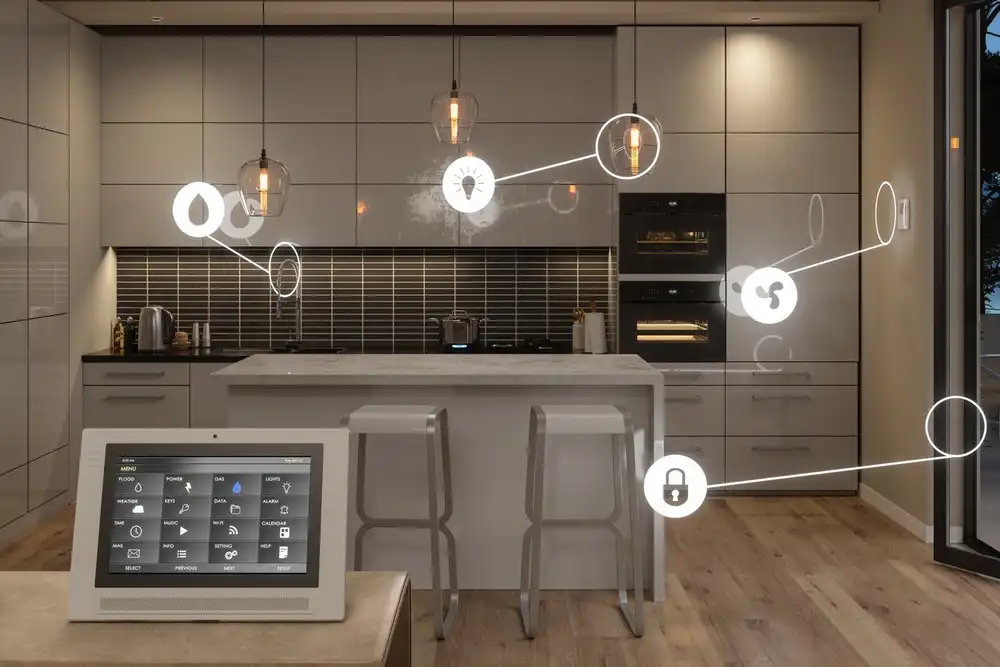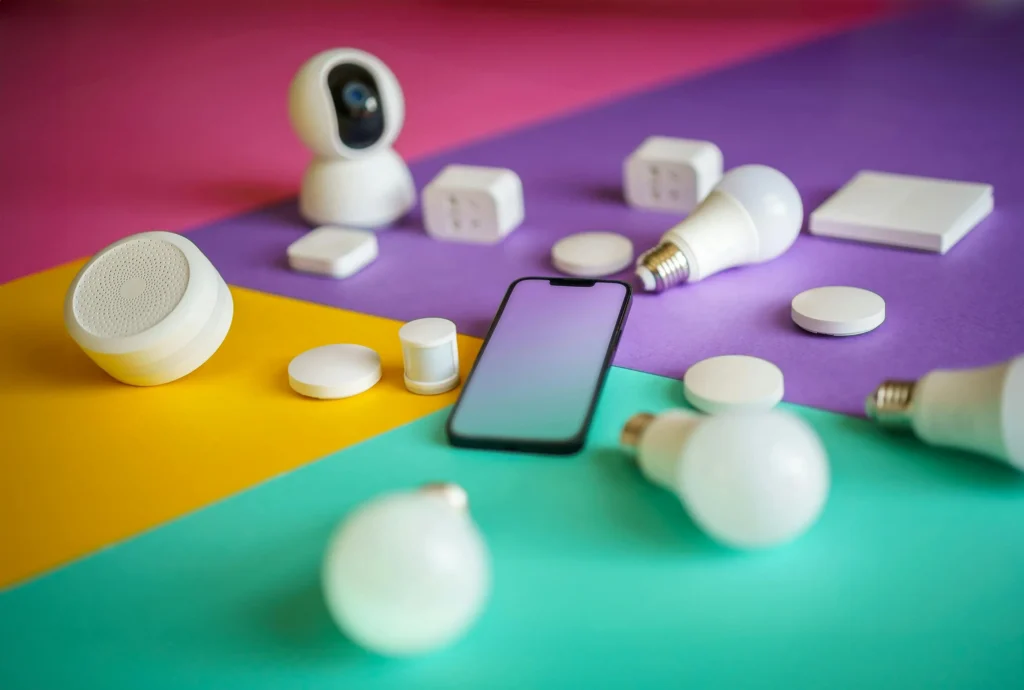
The rise of AI-powered home gadgets is transforming everyday living, making homes smarter, safer, and more efficient. These devices use artificial intelligence to automate tasks, learn user preferences, and provide real-time insights, all while integrating seamlessly into daily routines. From voice assistants to smart thermostats and security cameras, intelligent technology is reshaping how we interact with our living spaces.
As more homeowners seek convenience and control, understanding the impact and variety of these innovative products becomes essential. Whether you’re curious about the latest advancements or considering an upgrade, this guide explores the practical uses, benefits, and considerations of integrating AI-driven devices into your home. For those interested in how artificial intelligence is influencing modern kitchens, check out AI technology in modern cooking for a deep dive into culinary applications.
Understanding Smart Devices with Artificial Intelligence
At the core, AI-powered home gadgets are devices embedded with artificial intelligence algorithms that allow them to analyze data, recognize patterns, and make decisions with minimal human intervention. Unlike traditional electronics, these products adapt to user habits and environmental changes, offering personalized experiences and proactive solutions.
Examples include smart speakers that respond to voice commands, security cameras that distinguish between people and pets, and thermostats that learn your schedule to optimize energy use. The integration of AI enables these devices to go beyond simple automation, providing features like predictive maintenance, anomaly detection, and even personalized recommendations.
Key Features of AI-Driven Home Technology
Intelligent home devices stand out due to several advanced features:
- Learning Capabilities: These gadgets adapt to your routines, adjusting settings automatically over time.
- Voice and Gesture Recognition: Many products can interpret spoken commands or gestures, making control hands-free and intuitive.
- Proactive Alerts: Receive notifications about unusual activity, maintenance needs, or energy usage spikes.
- Integration with Other Devices: AI-powered systems often connect with other smart products, creating a unified ecosystem for seamless automation.
- Remote Access: Control and monitor your home from anywhere using mobile apps or web interfaces.
Popular Types of Intelligent Home Gadgets
The market for AI-enhanced home technology is rapidly expanding. Here are some of the most common categories:
Smart Security Cameras and Sensors
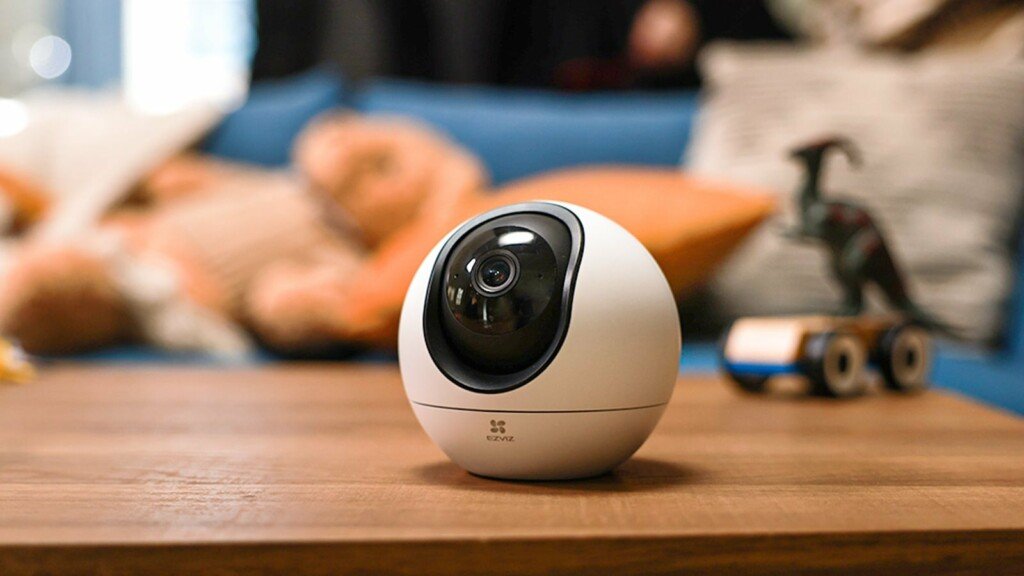
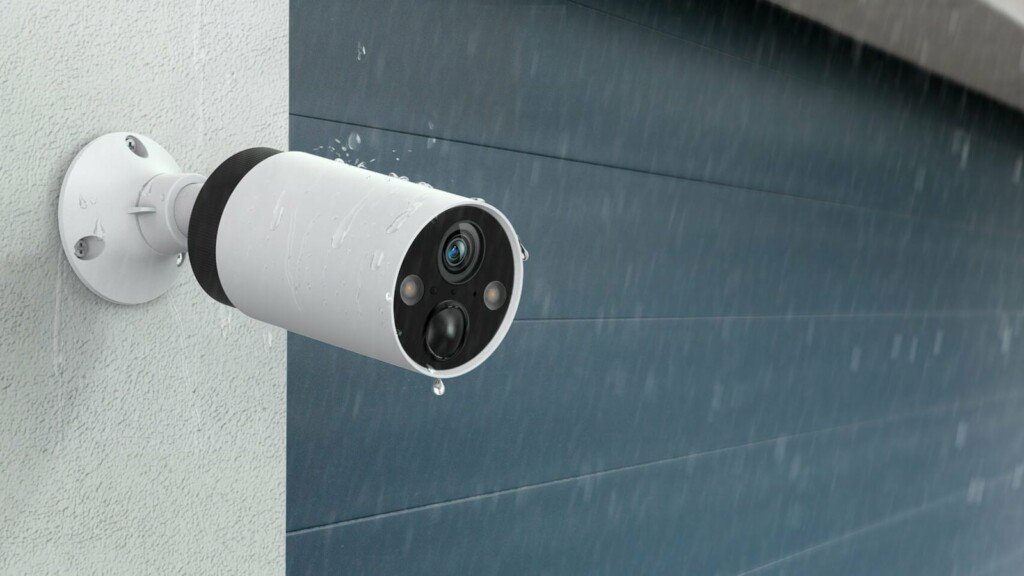
Security is a top priority for many homeowners. Modern cameras and sensors use artificial intelligence to detect motion, recognize faces, and differentiate between routine and suspicious activity. Some systems can even alert you to package deliveries or potential hazards, providing peace of mind whether you’re at home or away.
Voice Assistants and Smart Speakers
Devices like smart speakers and voice assistants are among the most recognizable AI-powered products for the home. They can answer questions, control other smart devices, play music, set reminders, and even help with cooking. Their ability to process natural language and learn from interactions makes them increasingly useful over time.
AI-Enabled Thermostats and Climate Control
Smart thermostats use AI to analyze your schedule and temperature preferences, automatically adjusting settings to maximize comfort and minimize energy consumption. Over time, these devices can significantly reduce utility costs and environmental impact.
Leak Detectors and Maintenance Sensors
Preventative maintenance is easier with AI-driven sensors that monitor for leaks, humidity changes, or unusual vibrations. These devices can alert you to issues before they become costly problems, protecting your property and saving money in the long run.
Benefits of Integrating AI into Your Home
Adopting AI-powered home gadgets offers a range of advantages:
- Convenience: Automate routine tasks and control multiple devices from a single interface.
- Enhanced Security: Real-time alerts and intelligent monitoring keep your home safer.
- Energy Efficiency: Smart systems optimize energy use, lowering bills and reducing waste.
- Personalization: Devices learn your preferences, creating a tailored living environment.
- Remote Management: Stay connected to your home, no matter where you are.
For a broader look at the best smart home devices available today, visit this comprehensive guide to top smart home products.
Choosing the Right AI-Enhanced Devices
When selecting intelligent home technology, consider the following factors:
- Compatibility: Ensure new devices work with your existing systems and preferred platforms.
- Privacy and Security: Review data handling policies and opt for products with robust encryption and user controls.
- Ease of Use: Look for intuitive interfaces and reliable customer support.
- Update Support: Choose brands that provide regular software updates and security patches.
- Scalability: Consider how easily you can expand your smart home ecosystem in the future.
For those interested in culinary innovation, AI home chef platforms are also making waves by simplifying meal planning and preparation.

Future Trends in Home Automation with AI
The landscape of intelligent home technology continues to evolve. Future advancements may include deeper integration with health monitoring, more sophisticated predictive maintenance, and even greater interoperability between devices from different manufacturers. As AI algorithms become more advanced, expect smarter automation, improved security, and a more personalized living experience.
For those eager to explore the cutting edge, platforms like IoT X Tech showcase emerging products and solutions that push the boundaries of what’s possible in the connected home.
FAQ: AI-Driven Gadgets for the Modern Home
How do AI-powered devices differ from traditional smart home products?
While both types of devices offer automation, those with artificial intelligence can learn from user behavior, adapt to changing conditions, and make decisions without direct input. This leads to more personalized and efficient operation compared to standard programmable gadgets.
Are there privacy concerns with intelligent home technology?
Yes, privacy is an important consideration. Many AI-driven products collect and analyze data to function effectively. It’s crucial to review privacy policies, use strong passwords, enable encryption, and keep software updated to protect your information.
Can these gadgets help save energy and reduce costs?
Absolutely. Devices such as smart thermostats and lighting systems use AI to optimize energy use based on your habits and preferences. Over time, this can lead to noticeable savings on utility bills and a smaller environmental footprint.
What are some innovative uses of AI in the kitchen?
In the kitchen, artificial intelligence is being used for recipe suggestions, cooking assistance, and even taste profiling. For more on this, see AI powered taste profiling and AI powered smart utensils for smarter meal preparation.
How do I start building a connected home with AI?
Begin by identifying your needs—security, convenience, energy savings—and choose compatible devices that offer AI features. Start small with a few products and expand your system as you become more comfortable with the technology.