The concept of an AI-powered alarm clock is reshaping how people approach their morning routines and sleep schedules. Unlike traditional alarm clocks that simply ring at a set time, these advanced devices use artificial intelligence to learn your habits, analyze your sleep patterns, and adapt their behavior for a more personalized wake-up experience. The integration of smart technology into everyday objects is a growing trend, and the alarm clock is no exception.
As homes become smarter and more connected, many are looking for ways to optimize their daily routines. AI-driven devices are increasingly common, from smart thermostats to intelligent refrigerators. If you’re interested in how these innovations can impact other areas of your home, you might want to explore what AI devices help reduce electricity bills as well.
Understanding Smart Alarm Clocks with Artificial Intelligence
At its core, an AI-enhanced alarm clock is designed to do much more than wake you up at a fixed time. These devices leverage machine learning algorithms and sensors to monitor your sleep cycles, detect movement, and even listen for environmental cues such as noise or light. By analyzing this data, the clock can determine the optimal time to wake you within a preset window, helping you rise during the lightest phase of your sleep for a gentler, more natural start to your day.
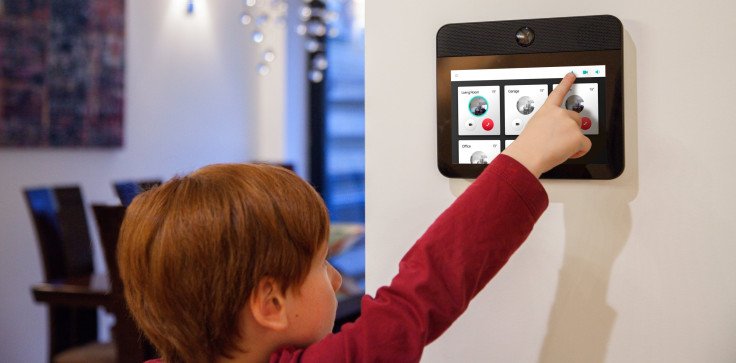
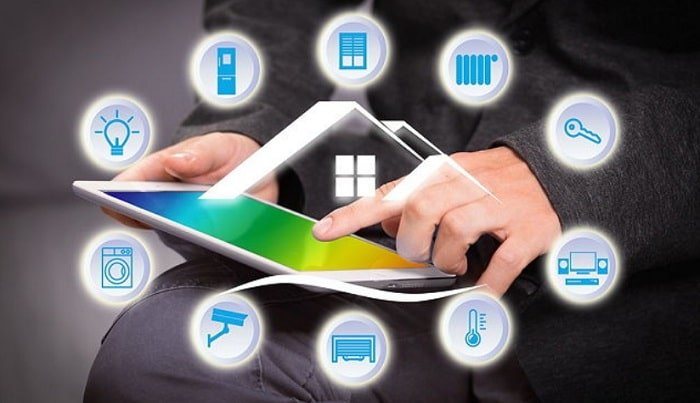
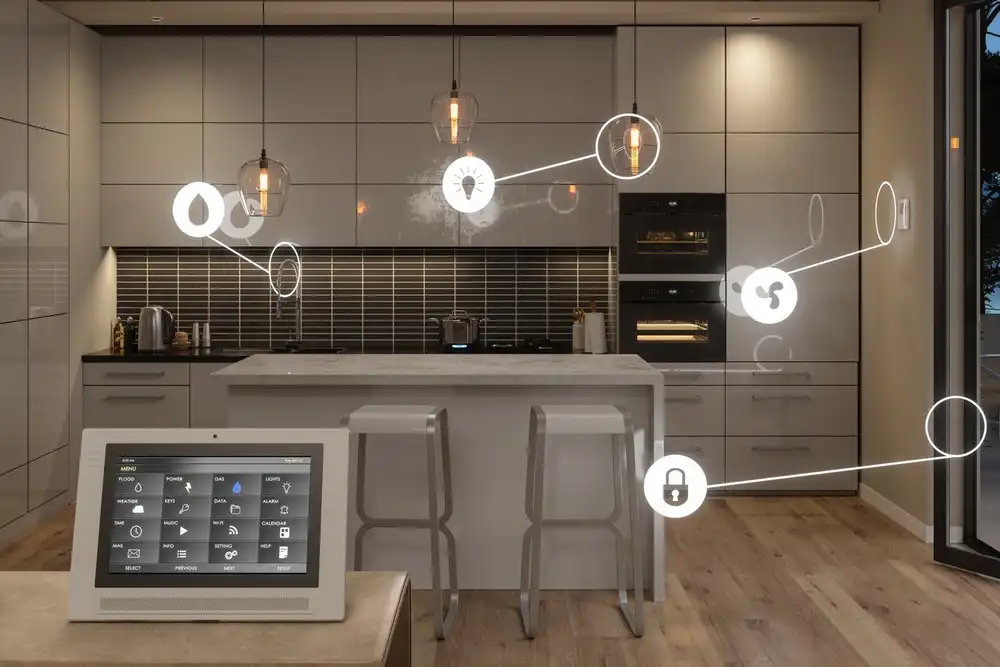
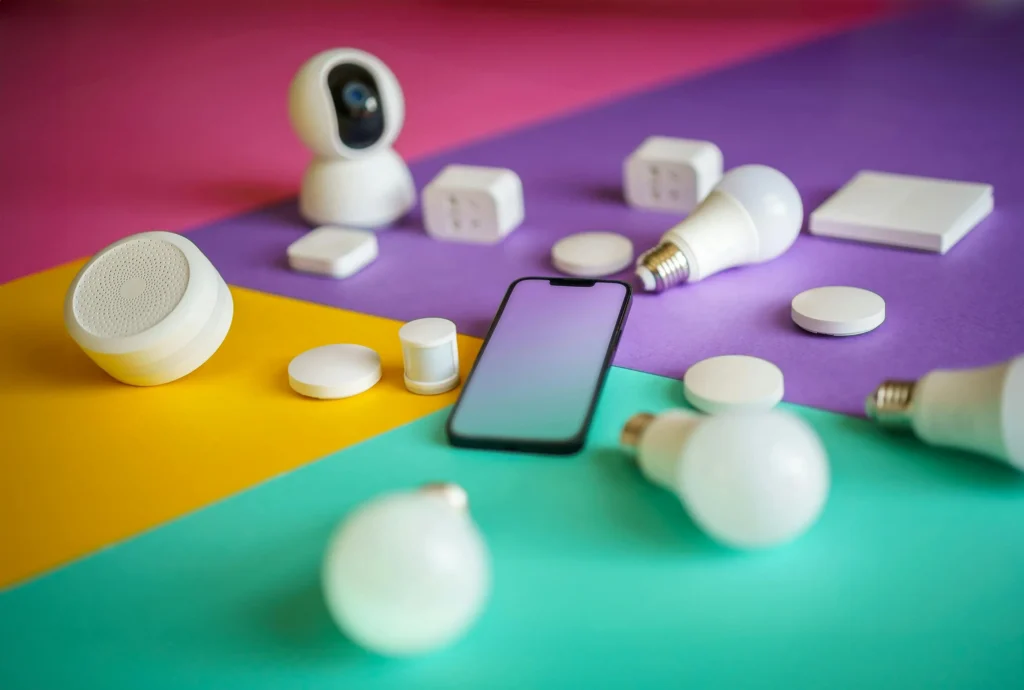
Many models also offer integration with other smart home devices, allowing for routines that extend beyond the bedroom. For example, your alarm clock might trigger your smart lights to gradually brighten, start your coffee maker, or adjust your thermostat as you wake up. These features make AI-powered timepieces a central part of the connected home ecosystem.
Key Features of AI-Enhanced Wake-Up Devices
The main advantage of using a clock with artificial intelligence is its ability to adapt to your individual needs. Here are some of the most common features found in these devices:
- Sleep Tracking: Built-in sensors monitor your movements, breathing, and sometimes even heart rate to analyze your sleep quality and duration.
- Smart Alarms: Instead of a harsh buzz, the device can wake you with gentle sounds, light, or vibrations at the most suitable moment in your sleep cycle.
- Personalized Recommendations: Some models offer suggestions for improving your sleep hygiene based on your habits and data trends.
- Voice Assistant Integration: Many AI clocks support voice commands, allowing you to set alarms, check the weather, or control other smart devices hands-free.
- Adaptive Routines: The clock can learn your preferences over time, adjusting alarm tones, volume, and even your morning routine automatically.
How AI Alarm Clocks Work
These advanced clocks use a combination of hardware and software to deliver a tailored wake-up experience. Sensors—such as accelerometers, microphones, and sometimes even radar—collect data while you sleep. The device’s onboard processor or a connected app analyzes this information to identify sleep stages and disturbances.
When it’s time to wake up, the AI determines the lightest sleep phase within your chosen window and triggers the alarm accordingly. This can help reduce grogginess and make mornings less jarring. Some models also factor in your calendar, weather conditions, or traffic reports to suggest an earlier or later wake-up time, making them especially useful for busy households.
Benefits of Using Intelligent Alarm Clocks
Adopting a smart alarm clock with AI capabilities offers several advantages:
- Improved Sleep Quality: By waking you at the right moment, these devices help you feel more refreshed and alert.
- Personalization: The clock learns your preferences and adapts over time, offering a more comfortable and effective wake-up routine.
- Integration with Smart Homes: Many models can communicate with other devices, allowing for seamless morning routines that include lighting, temperature, and even music.
- Data-Driven Insights: Regular reports and recommendations help you understand and improve your sleep habits.
- Convenience: Voice controls and automation reduce the need for manual adjustments, making mornings smoother.
For those interested in how AI is transforming other household gadgets, you may also want to read about what is an AI-powered smart fridge and how these appliances are changing kitchen routines.
Popular Use Cases and Integration with Home Ecosystems
AI-driven alarm clocks are especially useful for people with irregular schedules, shift workers, or anyone looking to optimize their sleep. They are often found in smart bedrooms, where they work alongside other devices to create a comfortable environment. For example, you can set up routines that gradually increase light, play calming music, and adjust the room temperature as you wake.
Many of these clocks can be managed through smartphone apps, making it easy to review your sleep data and adjust settings remotely. Some even support integration with popular voice assistants, allowing you to control your alarm and other smart devices with simple commands.
Comparing AI Clocks to Traditional Models
Traditional alarm clocks are simple: they ring at a set time, regardless of your sleep stage or environment. In contrast, AI-powered devices use data and learning algorithms to optimize your wake-up experience. This means fewer abrupt awakenings, less morning grogginess, and a routine that adapts to your needs.
While basic clocks are inexpensive and easy to use, they lack the personalization and integration offered by their AI counterparts. For those seeking to improve their sleep and streamline their mornings, investing in a smart device can be a worthwhile upgrade.
If you’re curious about other ways artificial intelligence is making homes more efficient, take a look at can AI gadgets help reduce food waste for insights into kitchen technology.
Choosing the Right AI-Driven Alarm for Your Needs
When selecting a smart clock with artificial intelligence, consider the following factors:
- Compatibility: Make sure the device works with your existing smart home ecosystem and preferred voice assistant.
- Features: Look for sleep tracking, adaptive alarms, and personalized recommendations that fit your lifestyle.
- App Support: A user-friendly app can make setup and ongoing use much easier.
- Privacy: Since these devices collect sensitive data, review their privacy policies and data handling practices.
- Price: Balance the cost with the features you need—some models offer premium options like soundscapes or advanced analytics.
For a broader perspective on how smart devices can enhance your home, you can read about what AI gadgets monitor home temperature.
Further Reading and Resources
The integration of artificial intelligence into home devices is a rapidly growing field. For a deeper dive into the topic, check out this comprehensive overview of AI-powered home devices and how they are shaping the future of smart living.
Frequently Asked Questions
How does an AI-powered alarm clock improve sleep quality?
By analyzing your sleep patterns and waking you during the lightest sleep phase, these devices help reduce grogginess and make mornings more pleasant. They also provide insights and recommendations for better sleep habits.
Can smart alarm clocks connect with other home devices?
Yes, many models integrate with smart home ecosystems, allowing you to automate routines involving lighting, temperature, music, and more for a seamless wake-up experience.
Are AI alarm clocks secure and private?
Most reputable brands prioritize user privacy and data security. However, it’s important to review the privacy policy and settings of any device you bring into your home to ensure your data is handled appropriately.
What other AI gadgets can help optimize my home?
Beyond alarm clocks, there are AI-powered refrigerators, thermostats, and even devices that help reduce food waste. For example, you can learn more about how does an AI fridge track food for smarter kitchen management.