
The rise of AI-powered lawn mowers is transforming how homeowners care for their lawns. These smart devices use artificial intelligence to automate grass cutting, optimize mowing patterns, and adapt to changing conditions. Instead of pushing a traditional mower or hiring a landscaping service, you can rely on advanced robotics to handle the job with minimal intervention. But what exactly sets these machines apart from standard robotic mowers, and how do they fit into the broader landscape of smart home technology?
In this article, you’ll discover how intelligent lawn mowers work, the technology behind them, their key benefits, and what to consider before bringing one home. We’ll also connect you with related innovations in home automation, including how do AI gadgets monitor indoor air and other smart devices that are making everyday life easier and more efficient.
Understanding Smart Lawn Mowing Technology
At the core, an AI-driven lawn mower is a robotic device equipped with sensors, cameras, and advanced algorithms. Unlike early robotic mowers that simply followed boundary wires or random paths, these new models analyze their environment in real time. They can detect obstacles, map your yard, and adjust their mowing strategy for optimal results.
The artificial intelligence in these mowers enables them to learn the layout of your lawn, remember where they’ve already mowed, and even adapt to seasonal changes in grass growth. Some models integrate with weather forecasts, pausing mowing during rain or drought conditions to protect your lawn and the mower itself.
How AI-Powered Lawn Mowers Work
To understand the difference between a conventional robotic mower and one enhanced with artificial intelligence, it’s helpful to look at the main components and features:
- Mapping and Navigation: Using GPS, cameras, and LIDAR, these mowers build a digital map of your yard. They identify boundaries, flower beds, and obstacles, ensuring precise coverage without damaging landscaping.
- Obstacle Detection: Advanced sensors and AI algorithms allow the mower to recognize and avoid pets, toys, garden furniture, and unexpected objects in its path.
- Adaptive Scheduling: The device can automatically adjust its mowing schedule based on grass growth, weather conditions, and user preferences. Some models even sync with your smartphone for remote control and monitoring.
- Self-Charging: When the battery runs low, the mower returns to its charging station autonomously, resuming work once recharged.
These features combine to deliver a consistent, well-maintained lawn with little manual effort. The integration of AI makes the process smarter and more efficient than ever before.

Key Benefits of AI-Driven Lawn Care
The advantages of using a mower with artificial intelligence go beyond simple automation. Here are some of the main benefits:
- Time Savings: Once set up, the mower handles routine lawn maintenance, freeing up your schedule for other activities.
- Consistent Results: AI-powered devices follow optimized mowing patterns, ensuring even coverage and a healthier lawn.
- Energy Efficiency: By adapting to grass growth and weather, these mowers avoid unnecessary operation, saving electricity and reducing wear.
- Safety: Advanced obstacle detection minimizes the risk of accidents, making them safer for homes with children and pets.
- Quiet Operation: Electric motors and smart scheduling allow for mowing at times that won’t disturb your household or neighbors.
For those interested in broader home safety and automation, you might also explore what AI gadgets help with home safety to see how artificial intelligence is improving other aspects of daily living.
Choosing the Right AI Mower for Your Home
Selecting the best smart mower depends on your yard size, landscaping complexity, and personal preferences. Here are some factors to consider:
- Lawn Size and Shape: Some models are better suited for large, open lawns, while others excel in smaller or irregularly shaped spaces.
- Connectivity: Look for devices that offer app integration, remote monitoring, and compatibility with other smart home systems.
- Battery Life and Charging: Longer battery life means less frequent charging and more efficient mowing cycles.
- Maintenance: Consider how easy it is to clean, replace blades, and perform routine upkeep.
- Price and Warranty: Higher-end models offer more features but come at a premium. Check warranty terms for peace of mind.
Reading reviews and comparing specifications can help you find a model that fits your needs. If you want to learn more about smart detection in other home devices, check out what is an AI powered smoke detector for insights on similar technology.
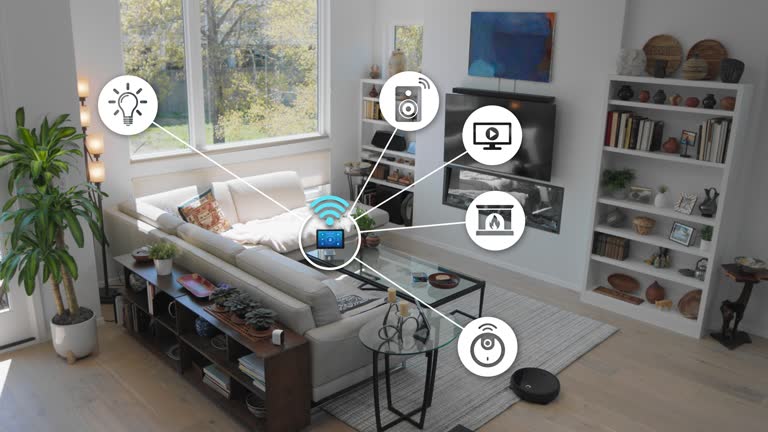
Integrating AI Lawn Mowers with Your Smart Home
Many modern AI mowers can be connected to your home Wi-Fi network and controlled via smartphone apps or voice assistants. This integration allows you to start, stop, or schedule mowing sessions remotely, receive maintenance alerts, and monitor the mower’s progress in real time.
Some devices can even communicate with other smart home appliances, such as weather stations or irrigation systems, to further optimize lawn care. For a broader look at how artificial intelligence is shaping home appliances, you can read about the latest in AI-powered home technology and see how these trends are evolving.
As smart home ecosystems grow, expect even more seamless integration between your lawn mower and other connected devices, making outdoor maintenance as effortless as managing your indoor environment.
Potential Challenges and Considerations
While the benefits are significant, there are a few things to keep in mind when adopting an AI-based mower:
- Initial Setup: Mapping your yard and configuring boundaries may take some time, especially for complex landscapes.
- Security: As with any connected device, ensure your network is secure to prevent unauthorized access.
- Cost: AI models are generally more expensive than basic robotic mowers, though the investment can pay off in convenience and results.
- Maintenance: Regular cleaning and blade replacement are necessary to keep the mower running efficiently.
If you’re curious about the reliability of other smart sensors, you might find value in reading are AI leak sensors reliable for a comparison of performance and dependability in home automation.
Frequently Asked Questions
How does an AI-powered mower differ from a standard robotic mower?
The main difference is the use of artificial intelligence for smarter navigation, obstacle avoidance, and adaptive scheduling. While traditional robotic mowers may follow random or pre-set paths, AI models learn your lawn’s layout, optimize mowing patterns, and respond to changing conditions for better results.
Can these mowers handle complex or uneven yards?
Yes, most AI-enabled models are designed to manage a variety of yard shapes and terrains. Their mapping and sensor technology allows them to navigate around flower beds, slopes, and obstacles, making them suitable for many types of properties.
Are AI lawn mowers safe for pets and children?
Safety is a top priority for these devices. Advanced sensors and AI algorithms help detect and avoid people, pets, and objects, reducing the risk of accidents. However, it’s still recommended to supervise children and animals when the mower is in operation.
Do AI-powered mowers require a lot of maintenance?
Maintenance is generally straightforward but important. Regularly cleaning the mower, checking for debris, and replacing blades as needed will keep it running smoothly. Most models provide maintenance reminders via their companion apps.
How do I integrate an AI mower with other smart home devices?
Many AI mowers offer app-based controls and can connect to popular smart home platforms. Integration features vary by brand, so check compatibility with your existing devices and look for models that support voice assistants or automation routines.