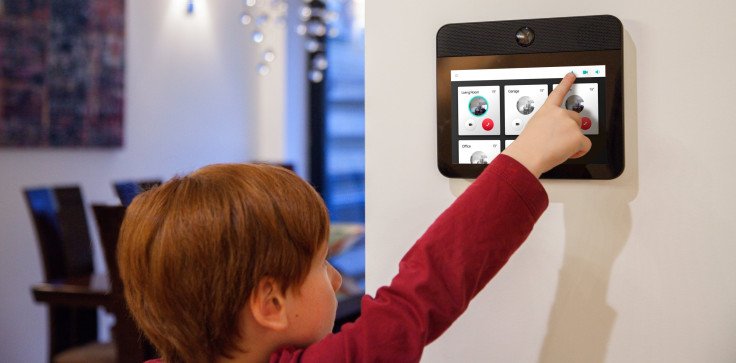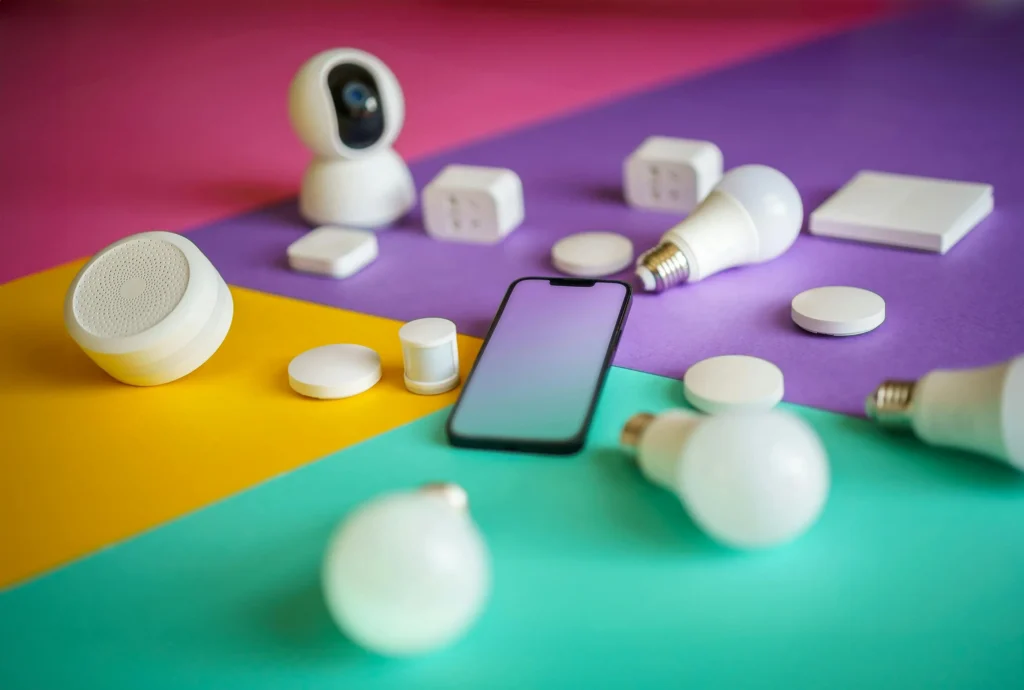

The rise of smart home technology has introduced a new generation of devices that go beyond simple automation. Among these innovations, AI-powered light switches are transforming how we interact with lighting in our homes. These advanced switches use artificial intelligence to learn your habits, optimize energy usage, and provide a more intuitive experience compared to traditional or even basic smart switches.
If you’re exploring ways to make your home more efficient and responsive, understanding the capabilities of these intelligent switches is essential. In this article, we’ll break down how these devices work, the benefits they offer, and what sets them apart from standard smart lighting solutions. For those interested in broader smart home trends, you might also want to read about what AI devices help reduce electricity bills to see how different gadgets can contribute to a smarter, more sustainable home.
How AI-Driven Light Switches Work
At their core, AI-driven light switches combine sensors, connectivity, and machine learning algorithms. Unlike basic smart switches that rely on manual schedules or remote control, these devices analyze data from your daily routines, occupancy patterns, and even environmental factors. Over time, the switch “learns” when you typically turn lights on or off, adjusting settings automatically for comfort and efficiency.
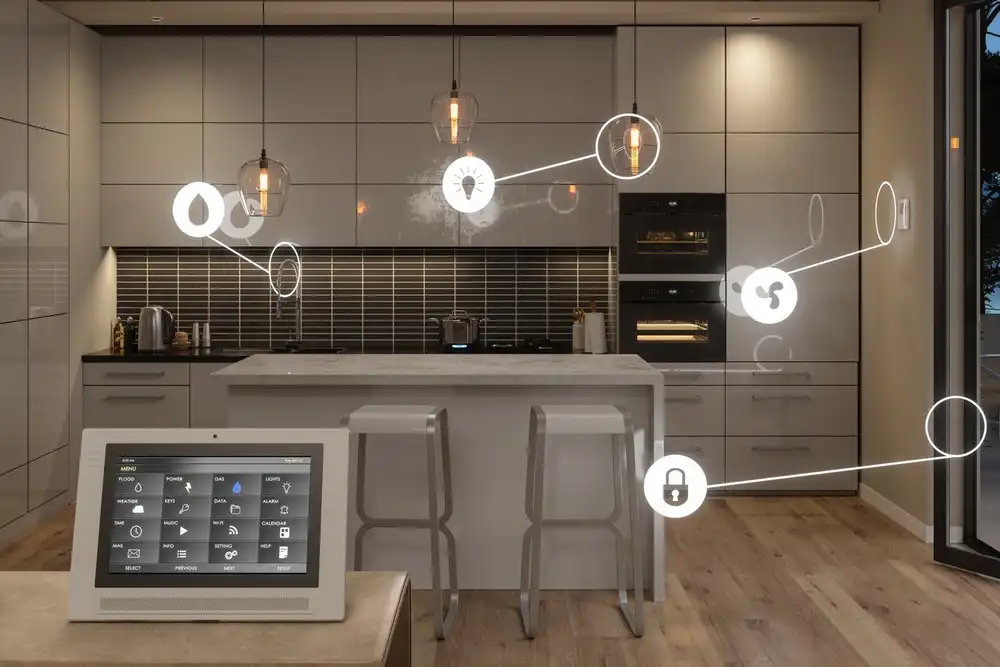
Many models connect to your home Wi-Fi and integrate with voice assistants like Alexa or Google Assistant. Some can also communicate with other smart devices, such as thermostats or security systems, to create seamless automation scenarios. For example, your lights might dim automatically when you start a movie or turn off when you leave for work.
Key Features and Benefits of Intelligent Lighting Controls
The main advantage of these advanced switches is their ability to adapt to your lifestyle. Here are some of the most notable features:
- Personalized Automation: The device learns your preferences and adjusts lighting accordingly, reducing the need for manual input.
- Energy Efficiency: By turning lights off when rooms are unoccupied or adjusting brightness based on natural light, these switches help lower electricity bills.
- Remote Access: Control your lights from anywhere using a smartphone app, ensuring you never leave lights on by accident.
- Integration with Other Devices: Many AI-powered switches work with other smart home products, enabling complex routines and scenes.
- Enhanced Security: Some models can simulate occupancy when you’re away, deterring potential intruders.
These features make AI-based switches a compelling upgrade for anyone looking to modernize their home lighting system.

Comparing AI Light Switches to Traditional Smart Switches
While both AI-powered and conventional smart switches offer remote control and scheduling, there are key differences:
| Feature | Standard Smart Switch | AI-Integrated Switch |
|---|---|---|
| Manual Scheduling | Yes | Yes (plus adaptive learning) |
| Remote App Control | Yes | Yes |
| Voice Assistant Support | Often | Often |
| Learning User Behavior | No | Yes |
| Automatic Energy Optimization | Limited | Advanced |
| Integration with Other AI Devices | Basic | Advanced |
The main distinction lies in the ability of AI-enabled switches to learn and adapt, making them more proactive and efficient over time.
Popular Use Cases for Smart Lighting with AI
Homeowners are finding creative ways to use these intelligent lighting controls:
- Hands-Free Entry: Lights turn on automatically when you enter a room, thanks to motion and presence detection.
- Adaptive Lighting: The system adjusts brightness based on the time of day or available sunlight, reducing eye strain and saving energy.
- Vacation Mode: AI simulates your usual lighting patterns while you’re away, making it appear as if someone is home.
- Integrated Routines: Combine lighting with other smart devices, such as having lights dim when your smart TV turns on for movie night.
These scenarios highlight the flexibility and convenience that AI brings to home lighting.

Integrating AI Lighting with Other Smart Home Devices
One of the strengths of AI-based switches is their compatibility with a range of other smart home products. For example, pairing your lighting with a smart thermostat can help optimize both comfort and energy savings. Similarly, integrating with smart speakers allows for voice-activated commands and more complex routines.
The trend toward interconnected devices is growing, as highlighted in this overview of AI-powered home devices. By combining lighting, climate control, and security, homeowners can create truly adaptive environments that respond to their needs in real time.
Considerations Before Upgrading to AI-Enabled Switches
While the benefits are clear, there are a few factors to keep in mind before making the switch:
- Compatibility: Ensure your home wiring and existing fixtures are compatible with the new device.
- Privacy: AI devices often collect data to learn your habits. Review privacy policies and choose reputable brands.
- Cost: These advanced switches are typically more expensive than standard models, but the long-term energy savings can offset the initial investment.
- Setup: Some models require professional installation, especially if they integrate with other smart home systems.
Taking these points into account will help you make an informed decision and get the most out of your smart lighting upgrade.
FAQ
What makes an AI-powered light switch different from a regular smart switch?
The main difference is the use of artificial intelligence to learn and adapt to your habits. While regular smart switches rely on fixed schedules or manual control, AI-enabled models can automatically adjust settings based on your routines, occupancy, and even environmental factors.
Can these switches help reduce my electricity bills?
Yes, by turning off lights when rooms are unoccupied and optimizing brightness, these devices can help lower energy consumption. For more tips on saving energy, check out our guide on what AI devices help reduce electricity bills.
Are AI-integrated switches compatible with other smart home devices?
Most modern models are designed to work with popular smart home platforms and devices, including voice assistants, thermostats, and security systems. Always check compatibility before purchasing to ensure seamless integration.
Where can I learn more about other AI-powered home gadgets?
For further reading, explore articles like can AI gadgets help reduce food waste or what is an AI-powered smart fridge to discover more ways artificial intelligence is shaping the modern home.