
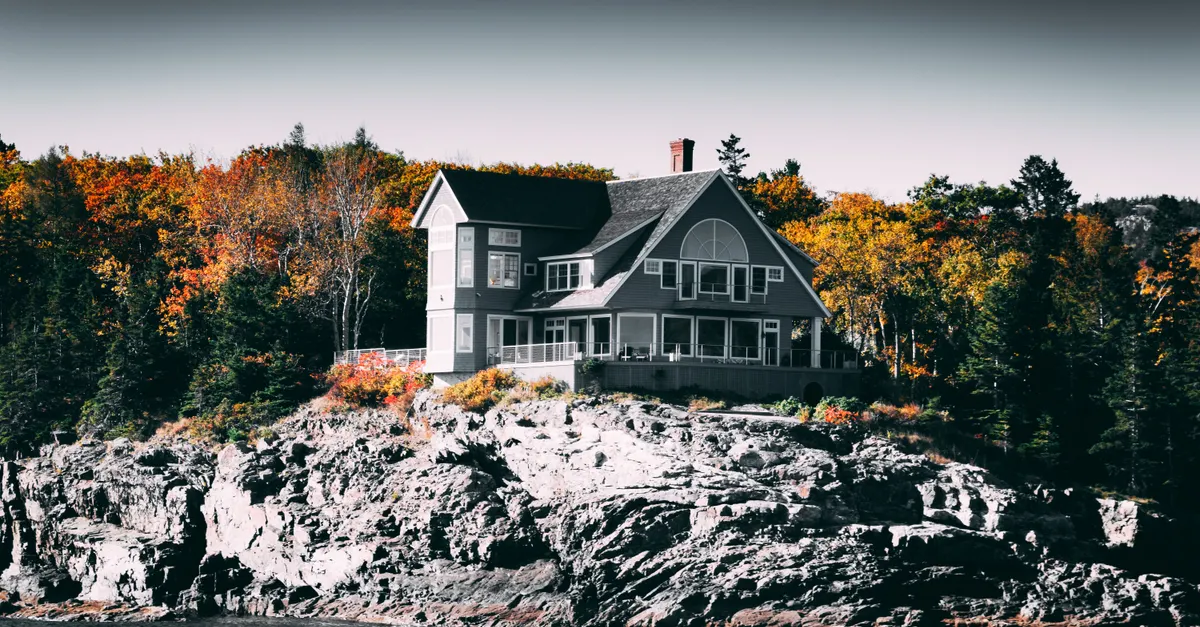
Managing a vacation property from afar presents unique challenges, especially when it comes to keeping the home secure, energy-efficient, and well-maintained. Automated home maintenance for vacation homes has emerged as a practical solution, allowing owners to monitor and manage essential systems remotely. By leveraging smart technology, property owners can enjoy greater peace of mind, reduce manual intervention, and protect their investment even when they are miles away. However, understanding the risks, conducting safe preliminary inspections, and relying on professional installation and monitoring are critical to ensuring these systems function safely and effectively.
Understanding Smart Maintenance Solutions for Second Homes
Modern technology has transformed how vacation properties are managed. Smart home automation refers to the use of interconnected devices and systems that can be controlled remotely, often via smartphone apps or web interfaces. For vacation properties, this means essential maintenance tasks—like monitoring security, controlling the climate, and detecting water leaks—can be automated and managed from anywhere.
Automating these functions is especially important for homes that are unoccupied for extended periods. Without regular oversight, issues like water leaks, HVAC failures, or security breaches can go unnoticed, potentially leading to costly repairs or property damage. By implementing automated solutions, owners can receive real-time alerts and even take corrective action before problems escalate.
Essential Technologies for Automated Home Maintenance
Several key technologies form the backbone of automated home maintenance for vacation homes. These systems not only simplify remote property management but also enhance the value and safety of the home:
- Smart Security Systems: These include cameras, motion sensors, and smart locks that can be monitored and controlled remotely. Many systems offer real-time alerts and the ability to grant access to guests or service providers securely.
- Climate Control Automation: Smart thermostats and HVAC controls allow owners to adjust heating and cooling remotely, ensuring the home remains comfortable and energy-efficient. This can prevent issues like frozen pipes in winter or excessive humidity in summer.
- Energy Management: Automated lighting, smart plugs, and energy monitoring systems help reduce unnecessary energy consumption and provide insights into usage patterns.
- Water Leak Detection: Sensors placed near water heaters, sinks, and appliances can detect leaks early, sending instant notifications to prevent water damage.
- Remote Monitoring Platforms: Centralized dashboards or apps provide a single interface to monitor and control all connected devices, streamlining management tasks.
According to industry sources, integrating these technologies can increase property value and reduce the hassle of managing a vacation rental. The ability to monitor and control key systems remotely is a significant advantage for owners who may only visit their property a few times a year.
Integrating Systems for Seamless Management
While individual smart devices offer valuable features, the real power of automated home maintenance for vacation homes lies in system integration. By connecting security, climate, energy, and leak detection systems into a unified platform, owners can achieve comprehensive oversight and control.
Integration strategies include:
- Central Hubs: Devices like smart home hubs or controllers can connect multiple systems, allowing for coordinated automation and centralized monitoring.
- Automated Routines: Owners can set up routines such as “away mode,” which adjusts thermostats, arms security systems, and turns off unnecessary lights when the home is unoccupied.
- Cross-System Alerts: For example, a water leak sensor can trigger the HVAC system to shut down, or a security breach can prompt all lights to turn on and cameras to record.
Seamless integration not only simplifies management but also enhances safety. For instance, if a leak is detected, the system can automatically alert the owner and a designated professional, reducing response time and potential damage. However, integrating multiple systems can be complex and may involve compatibility issues, making professional guidance essential.
For those interested in exploring more about the range of available options, a selection of automated home maintenance solutions can provide further insights into what technologies are currently leading the market.
Risks, Safe Inspections, and the Importance of Professional Installation
While the benefits of automation are clear, it is vital to recognize the risks associated with improper installation or misconfigured systems. Security devices, electrical components, and water sensors all have the potential to impact the safety and integrity of a home if not set up correctly.
Before installing any automated system, conduct a safe preliminary inspection of the property. This includes checking for existing wiring issues, ensuring Wi-Fi coverage is sufficient throughout the home, and identifying areas prone to water leaks or temperature fluctuations. However, these inspections should remain non-invasive and avoid any work that could expose electrical or plumbing systems to risk.
For most homeowners, the safest approach is to consult with certified professionals who specialize in smart home installations. Professional installers can:
- Assess the property’s unique needs and recommend compatible devices
- Ensure all systems are installed according to manufacturer and safety standards
- Test integrations to confirm that devices communicate reliably
- Provide ongoing monitoring or maintenance services if needed
Attempting DIY installation of complex systems, especially those involving electrical wiring or security infrastructure, can introduce hazards and may void warranties or insurance coverage. Relying on experts helps ensure that the automation not only works as intended but also protects the home and its occupants.
Cost Factors and Budgeting for Automation
The cost of automating a vacation property can vary widely depending on the size of the home, the number of systems installed, and the level of integration desired. Basic setups—such as a few smart plugs and a thermostat—are relatively affordable, while comprehensive solutions involving security, climate, and water detection systems require a larger investment.
Key cost considerations include:
- Device Costs: Cameras, sensors, thermostats, and hubs each have their own price points.
- Installation Fees: Professional installation is strongly recommended for safety-sensitive systems and may involve additional labor costs.
- Subscription Services: Some systems require ongoing fees for remote monitoring, cloud storage, or advanced automation features.
- Maintenance: Regular updates and occasional hardware replacements may be necessary to keep systems running smoothly.
While the upfront investment can be significant, many owners find that the long-term savings—through reduced energy use, fewer emergency repairs, and increased property value—make automation a worthwhile expense. It is important to budget not only for the initial setup but also for ongoing support and upgrades as technology evolves.

Conclusion: Achieving Peace of Mind Through Smart Integration
Automating the maintenance of a vacation property offers substantial benefits, from enhanced security to improved energy efficiency and reduced management stress. By integrating smart systems for security, climate control, and leak detection, owners can monitor and manage their homes from anywhere, ensuring issues are addressed promptly.
However, the complexity and safety implications of these systems mean that professional installation and monitoring are essential. Owners should prioritize a thorough, safe preliminary inspection and seek expert advice to ensure all devices are compatible and correctly configured. With the right approach, smart home automation can transform the experience of owning a vacation property, providing lasting peace of mind and protecting your investment for years to come.
Frequently Asked Questions
What are the most important automated systems for vacation homes?
The most essential systems include smart security (cameras, alarms, locks), climate control (smart thermostats), energy management (automated lighting and plugs), and water leak detection. Integrating these systems provides comprehensive coverage and allows for remote monitoring and control.
Is it safe to install smart home devices myself?
While some basic devices are designed for DIY installation, systems involving electrical work, security infrastructure, or plumbing should always be installed by professionals. This ensures safety, compliance with standards, and reliable operation.
How do I ensure my automated systems work together seamlessly?
Choose devices that are compatible with a central hub or platform, and consult with a professional installer who can integrate them into a unified system. Regularly update software and test automations to maintain reliability and security.




