
Managing a home with pets brings unique challenges, from keeping spaces clean to ensuring your animals are safe and comfortable when you’re away. Thanks to advances in automated home maintenance for pet owners, it’s now possible to streamline daily routines and improve your pet’s quality of life using smart technology. This guide explores the latest solutions designed specifically for pet households, with a focus on practical benefits, cost considerations, and how these tools can make life easier for both you and your furry companions.

Understanding Automated Solutions for Pet Households
Modern smart home automation has evolved to address the specific needs of pet owners. These systems integrate various devices and technologies to automate routine tasks such as feeding, cleaning, and monitoring, reducing manual effort and providing peace of mind. By leveraging pet care technology, owners can ensure their pets are cared for even when they’re not at home, while also maintaining a cleaner and more efficient living environment.
The main benefits of these automated systems include:
- Consistent feeding and hydration schedules for pets
- Remote monitoring and interaction through cameras and sensors
- Automated cleaning to manage pet hair and messes
- Enhanced safety features, such as smart locks and environmental controls
These advancements not only simplify daily chores but also contribute to a healthier and happier home for both pets and their owners.
Smart Home Devices That Simplify Pet Care
There is a growing range of smart home devices designed to assist with pet care. Some of the most popular and effective options include:
Automated Feeders and Water Dispensers
Automated feeders allow pet owners to schedule regular meals, ensuring pets are fed on time even when no one is home. Many models can be controlled via smartphone apps, letting you adjust portions and feeding times remotely. Some advanced feeders, like the Dogness Automatic Smart Camera Pet Feeder, also include built-in cameras for real-time monitoring, so you can check on your pet and even interact with them during meal times.
Pet Cameras and Monitoring Systems
Pet cameras have become a staple in automated pet care. These devices provide live video feeds, two-way audio, and even treat-dispensing features, allowing you to see, talk to, and reward your pet from anywhere. Monitoring systems can alert you to unusual activity, helping you respond quickly if your pet is in distress or behaving unexpectedly.
Climate and Lighting Controls
Maintaining a comfortable environment is essential for pet well-being. Smart thermostats and automated lighting systems can be programmed or controlled remotely to adjust temperature and lighting based on your pet’s needs. For example, Google Home can automate lighting to help ease pet anxiety during storms or when you’re away for extended periods.
Cleaning and Maintenance Robots
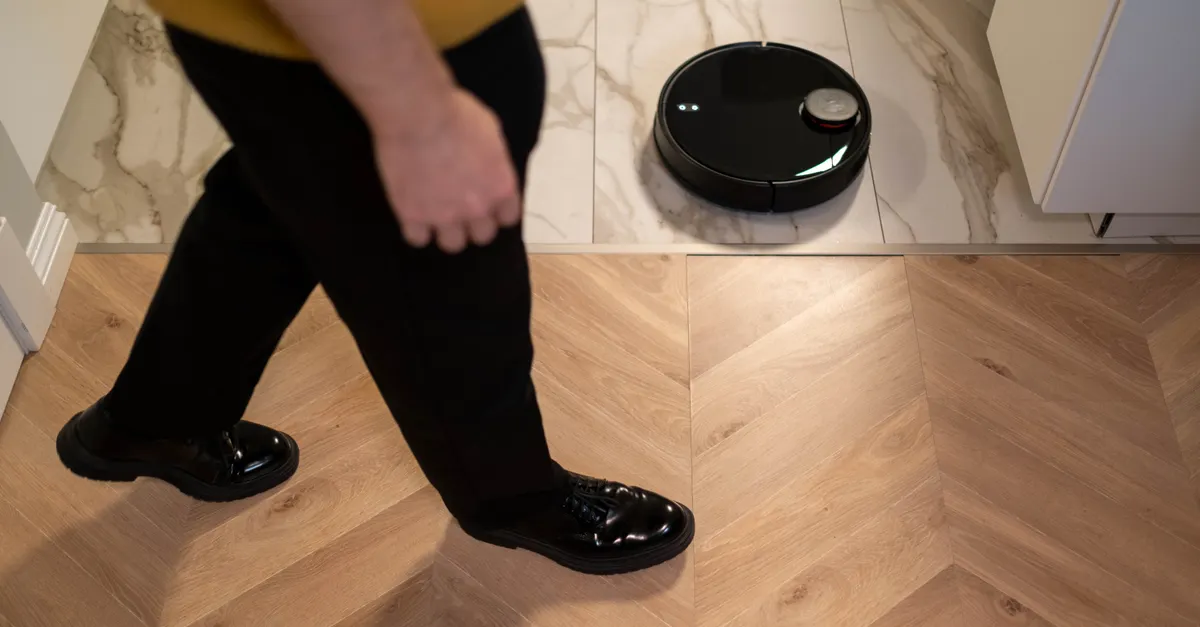
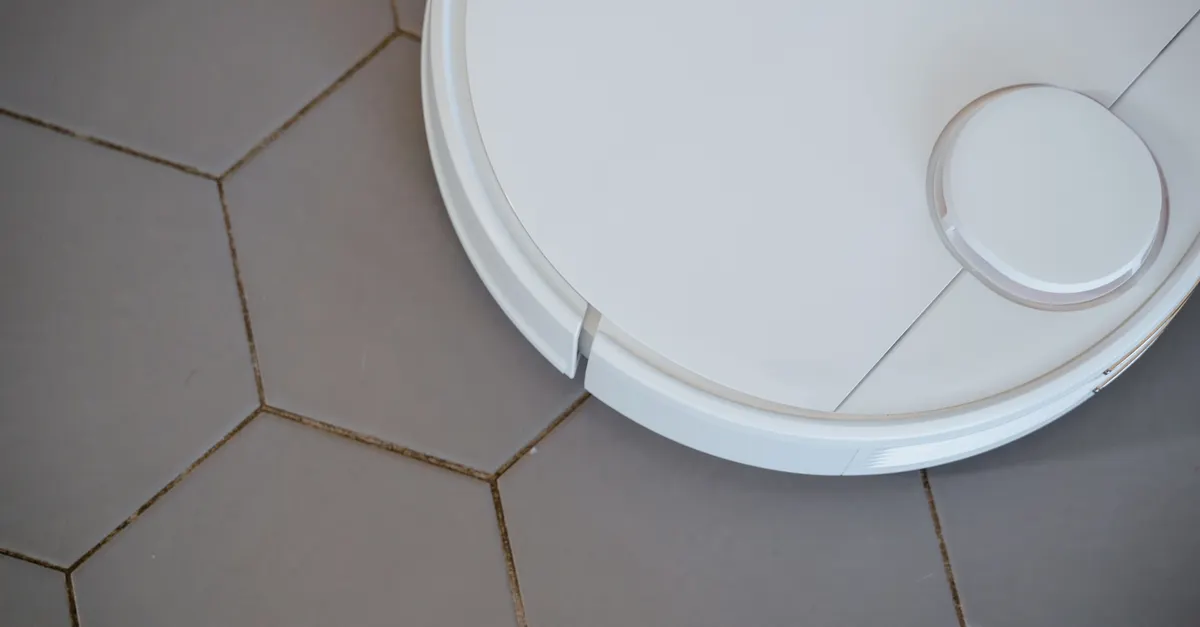
Robotic vacuums and mops are invaluable for pet owners, especially in homes with shedding animals. These devices can be scheduled to clean floors daily, reducing allergens and keeping your home presentable with minimal effort. Some models are equipped with sensors to avoid pet bowls and toys, making them even more pet-friendly. For more details on the best robotic vacuums for pet hair, you can refer to Consumer Reports’ guide.
For a broader look at how these technologies fit into everyday routines, you might find automated home maintenance solutions helpful as a general resource.
Analyzing the Cost and Efficiency of Automated Pet Solutions
One of the most important considerations when adopting automated home maintenance for pet owners is the cost. While these technologies offer significant convenience, it’s essential to weigh the initial investment against the long-term benefits.
Upfront Costs
The price of smart pet care devices varies widely. Entry-level automated feeders and cameras may start at a modest price point, while advanced models with integrated cameras, treat dispensers, and app connectivity can be more expensive. Robotic vacuums and smart thermostats also range in price depending on features and brand reputation. When planning your budget, consider the following typical categories:
- Automated feeders: Basic models are generally affordable, while feature-rich versions with cameras and app controls cost more.
- Pet cameras: Prices depend on resolution, two-way audio, and treat-dispensing capabilities.
- Cleaning robots: Cost varies by suction power, navigation technology, and smart home integration.
- Climate and lighting controls: Smart thermostats and lighting systems may require a higher initial investment but can lead to energy savings over time.
Ongoing Expenses
Beyond the initial purchase, some devices may require replacement parts (such as filters or batteries), subscription fees for cloud storage or premium app features, and occasional maintenance. It’s important to factor these recurring costs into your decision-making process.
Efficiency and Value
While the upfront investment can be significant, many pet owners find that the time saved and the peace of mind provided by these systems are well worth the cost. Automated feeding and cleaning reduce daily chores, while monitoring systems can prevent costly emergencies by alerting you to potential problems early. Additionally, smart thermostats and lighting controls can improve energy efficiency, potentially lowering utility bills in the long run.
Ultimately, the value of these solutions depends on your household’s specific needs, the number and type of pets you have, and your lifestyle. Investing in the right mix of automation can lead to a cleaner, safer, and more comfortable home for everyone.

Choosing the Best Automated Tools for Your Pets and Home
Selecting the right pet care technology involves considering your pets’ habits, your daily schedule, and your home’s layout. Here are a few tips to guide your decision:
- Assess your primary needs: Do you need help with feeding, cleaning, or monitoring?
- Research compatibility: Ensure devices can integrate with your existing smart home system, such as Google Home or other IoT platforms.
- Prioritize reliability and support: Look for products with strong user reviews and responsive customer service.
- Start small: Consider beginning with one or two devices to test their impact before investing in a full suite of automation tools.
- Balance features and budget: Focus on the features that will deliver the most value for your specific situation, rather than opting for the most expensive or feature-rich model available.
By carefully evaluating your options, you can build a customized system that enhances both your pet’s well-being and your own convenience.
Frequently Asked Questions
What types of automated feeders are available for pets?
There are a variety of automated feeders, ranging from simple models that dispense food at set times to advanced devices with integrated cameras and app controls. Some feeders can handle both dry and wet food, while others are designed for specific pet sizes or dietary needs.
How do pet cameras help with home maintenance?
Pet cameras allow you to monitor your pets remotely, interact with them through two-way audio, and even dispense treats. This helps ensure your pets are safe and can reduce anxiety for both pets and owners, especially during long workdays or trips away from home.
Are smart home devices for pet care difficult to install?
Most modern smart home devices are designed for easy installation, often requiring only a Wi-Fi connection and a compatible smartphone app. Some devices may need to be integrated with existing smart home systems, but manufacturers typically provide step-by-step instructions to simplify the process.