Artificial intelligence is rapidly transforming the landscape of home security, offering smarter detection, real-time alerts, and more convenient monitoring. However, as these systems become more sophisticated, they also raise important questions about how personal data is collected, processed, and protected. For homeowners considering or already using AI-powered security solutions, understanding AI home security system privacy concerns is essential for safeguarding both property and personal information.
What Makes AI Home Security Systems Different?
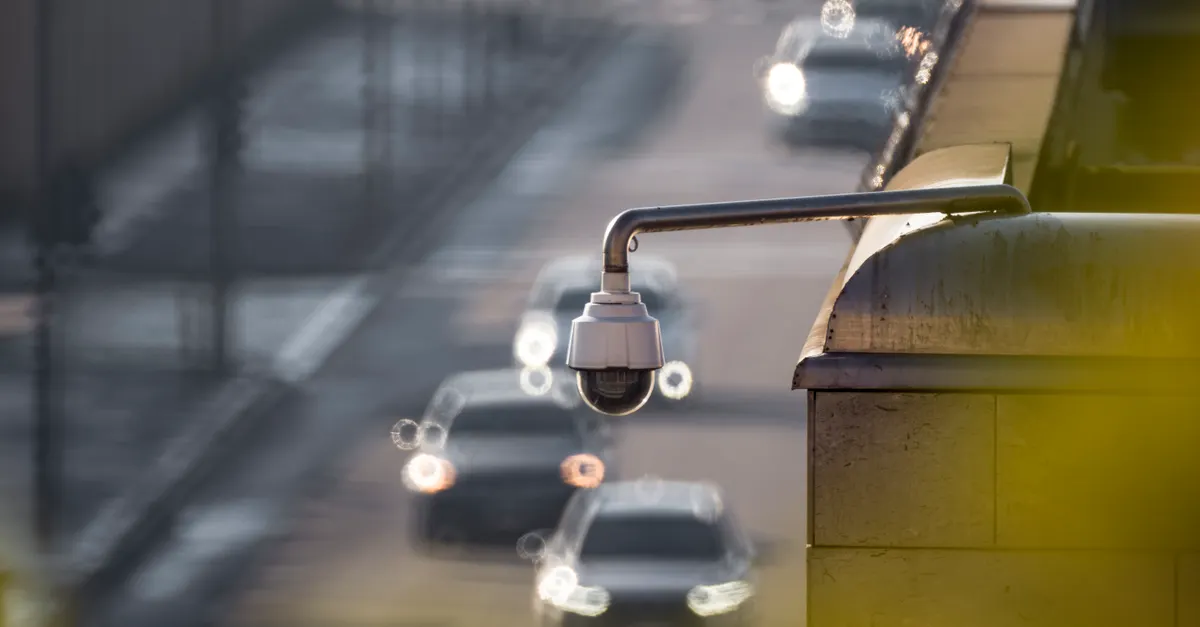
AI-driven home security systems use advanced algorithms to analyze video feeds, recognize objects or faces, and distinguish between routine activity and potential threats. Unlike traditional systems that rely on basic sensors or manual monitoring, these smart solutions can filter out false alarms, send customized notifications, and even integrate with other smart home devices. Their popularity is growing due to their ability to provide more accurate and efficient protection, but this same intelligence introduces new privacy considerations.
Key Privacy Concerns with AI Home Security
The integration of artificial intelligence into home security brings both opportunities and challenges for privacy. One of the primary issues is the sheer volume of data these systems collect. Cameras and sensors may continuously record video, audio, and environmental data, which is often processed in the cloud. This raises several privacy concerns:
- Data Collection and Storage: AI systems can capture sensitive footage from inside and around your home. If stored on remote servers, this data may be vulnerable to unauthorized access or breaches, as discussed in a study on AI security risks.
- Facial and Object Recognition: Many AI security cameras use facial recognition or object detection to identify people, vehicles, or animals. While this reduces false alarms, it also means biometric data is being processed, which can be particularly sensitive.
- Third-Party Access: Some systems share data with third-party providers for analytics or cloud storage, raising questions about who can access your information and how it is used.
- Continuous Monitoring: The always-on nature of AI security may inadvertently record private moments or capture information about guests and neighbors, leading to concerns about consent and surveillance.
According to privacy experts, these challenges highlight the need for robust data protection measures and transparent privacy policies. AI’s ability to analyze and interpret personal data can be both a benefit and a risk, depending on how the technology is implemented and governed.
Advantages of AI in Modern Security Systems
Despite the risks, AI offers significant benefits in home security. One of the most notable improvements is the reduction of false alarms. Traditional systems often trigger alerts for harmless events, such as pets moving or leaves blowing. AI-powered cameras can distinguish between people, animals, and objects, ensuring that homeowners receive relevant notifications.
Other advantages include:
- Smart Alerts: AI can learn typical household patterns and only notify users of unusual activity, reducing notification fatigue.
- Remote Access and Automation: Integration with mobile apps and smart home platforms allows for real-time monitoring and control from anywhere.
- Enhanced Deterrence: The presence of intelligent cameras and sensors can discourage potential intruders more effectively than basic alarms.
These features make AI systems appealing for those seeking both convenience and improved protection. For a deeper dive into how these features compare across brands, you might find an AI home security system features comparison helpful.
How to Address AI Home Security System Privacy Concerns
Given the potential risks, it’s crucial for users to take proactive steps to protect their privacy when using AI-powered security solutions. Here are several actionable strategies:
- Review Privacy Policies: Before purchasing or activating a system, read the manufacturer’s privacy policy carefully. Look for details on what data is collected, how it’s stored, and who has access.
- Choose Local Storage When Possible: Opt for systems that offer local data storage on secure devices within your home, rather than relying solely on cloud storage. This limits exposure to external breaches.
- Customize Data Sharing Settings: Many AI systems allow you to adjust what information is shared with third parties. Disable unnecessary data sharing and restrict access to only essential features.
- Enable Encryption: Ensure that all data transmitted between your devices and any external servers is encrypted. This helps prevent interception by unauthorized parties.
- Regularly Update Firmware: Keep your system’s software up to date to benefit from the latest security patches and privacy enhancements.
- Limit Camera Placement: Avoid placing cameras in private areas such as bedrooms or bathrooms. Position devices to monitor entry points and common areas instead.
- Set Strong Passwords and Two-Factor Authentication: Protect your accounts with unique, complex passwords and enable two-factor authentication where available.
- Understand Consent Requirements: Inform household members and guests about the presence of cameras, and comply with local laws regarding audio and video recording.
By following these steps, homeowners can significantly reduce the risks associated with AI home security system privacy concerns while still benefiting from advanced protection.
Regulations and Guidelines for AI Security Systems
The regulatory landscape for AI in home security is evolving. In many regions, data protection laws such as the General Data Protection Regulation (GDPR) in Europe and the California Consumer Privacy Act (CCPA) in the United States set standards for how personal data should be handled. These laws often require companies to be transparent about data collection, provide users with control over their information, and implement adequate security measures.
However, specific regulations targeting AI-powered home security are still emerging. As technology advances, policymakers are working to address gaps related to biometric data, automated decision-making, and cross-border data transfers. Homeowners should stay informed about local laws and best practices to ensure compliance and maximize privacy protections.
Comparing AI and Traditional Home Security: Privacy Implications
Traditional home security systems typically rely on motion sensors, door/window contacts, and basic cameras with limited intelligence. These systems collect less data and often store it locally, reducing some privacy risks. In contrast, AI-enabled solutions gather and process much more information, including video analytics and behavioral patterns.
While this increased intelligence leads to better threat detection and fewer false alarms, it also means that users must be more vigilant about how their data is managed. Balancing the convenience and effectiveness of AI with robust privacy safeguards is essential for responsible use.

Looking Ahead: The Future of Privacy in AI Home Security
As AI continues to evolve, so will the privacy landscape surrounding home security. Future advancements may include more privacy-preserving technologies, such as edge AI that processes data locally rather than in the cloud, and improved user controls for data management. Consumer awareness and demand for transparency are likely to drive manufacturers to adopt stronger privacy measures.
Ultimately, the goal is to create systems that offer both security and privacy, empowering homeowners to protect their property without compromising their personal information. Staying informed and proactive will be key as the technology and regulations develop.
Frequently Asked Questions
What types of data do AI home security systems collect?
These systems often gather video footage, audio recordings, motion data, and sometimes biometric information such as facial recognition. The extent of data collection depends on the specific features and settings of the system.
How can I minimize privacy risks with my AI security system?
You can reduce risks by choosing local storage options, enabling encryption, setting strong passwords, and customizing privacy settings. Regularly reviewing your system’s privacy policy and keeping software updated are also important steps.
Are there laws that protect my privacy when using AI home security?
Yes, general data protection laws like GDPR and CCPA provide some protections. However, regulations specific to AI-powered home security are still developing, so it’s important to stay informed about local requirements and best practices.