Maintaining a home can feel like a never-ending task, especially when you’re juggling work, family, and social commitments. Wouldn’t it be great if your home could take care of itself? That’s where an automated home maintenance checklist comes in handy. It ensures that your home stays in top shape with minimal effort from you, so you can enjoy more free time and peace of mind.
Choosing the right automation tools isn’t always straightforward. With so many options that promise to simplify your life, it’s easy to get overwhelmed. This guide breaks down the essentials of home automation, focusing on practical and efficient solutions that cater to various needs and preferences. Whether you’re looking to automate cleaning, security, or energy management, we’ve got you covered.
1 Smart Thermostat
Best For: Energy Efficiency
Optimize your home’s energy use with a smart thermostat that learns your schedule and adjusts temperatures accordingly.
Why We Like It
A smart thermostat is a game-changer for anyone looking to reduce energy bills and increase comfort. By learning your routine, it adjusts the temperature automatically, ensuring your home is always at the perfect climate without wasting energy. Smart thermostats can reduce energy bills by optimizing energy use based on user schedules. This is particularly beneficial for those who travel frequently or have irregular schedules. The ability to control it remotely via smartphone means you can make adjustments on the go, ensuring you never return to a freezing or overheated home. However, installation can be a bit tricky if you’re not familiar with electrical systems, so you might need professional help.
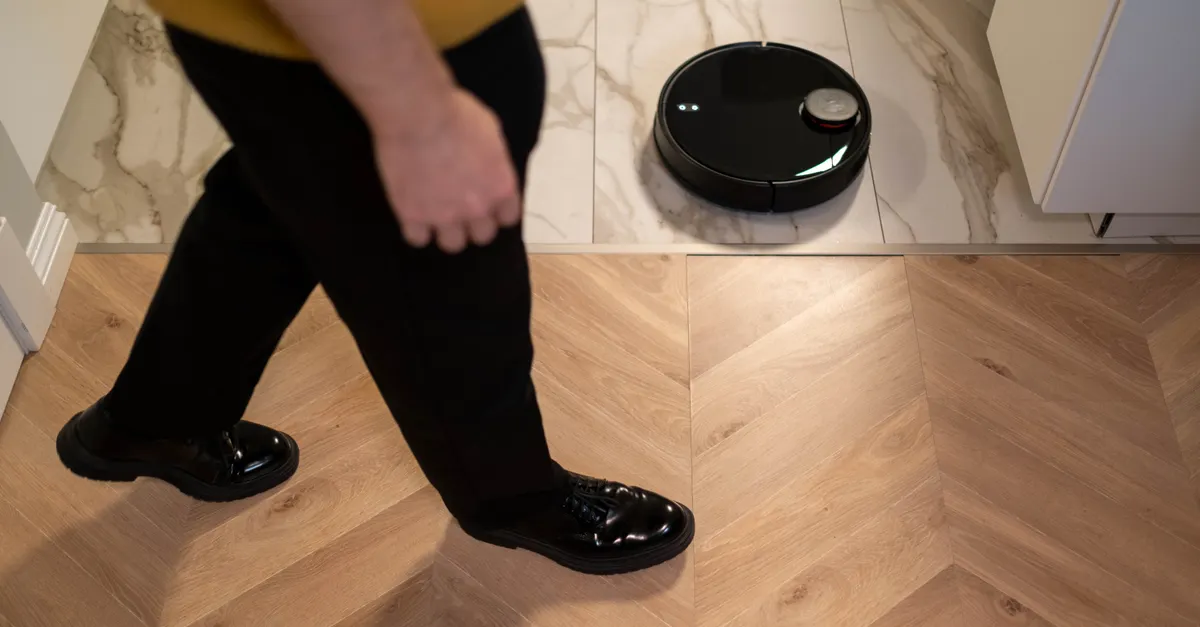
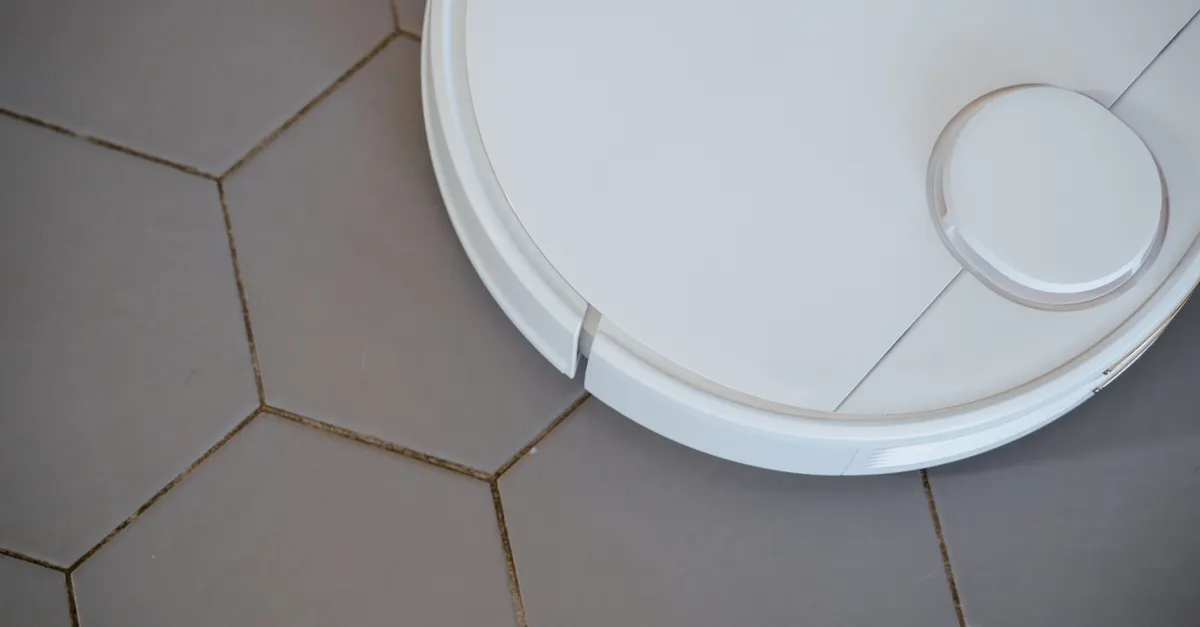
2 Robot Vacuum Cleaner
Best For: Hassle-Free Cleaning
Keep your floors spotless with minimal effort using a robot vacuum that navigates and cleans autonomously.
Why We Like It
Robot vacuums are perfect for busy households where time is at a premium. These devices can be scheduled to clean while you’re out, so you return to a tidy home without lifting a finger. They are especially useful for pet owners, as they can handle pet hair and dander with ease. While they won’t replace a deep clean, they significantly reduce the need for regular vacuuming. The main downside is that they can struggle with cluttered spaces, so a bit of tidying up is required to ensure optimal performance.
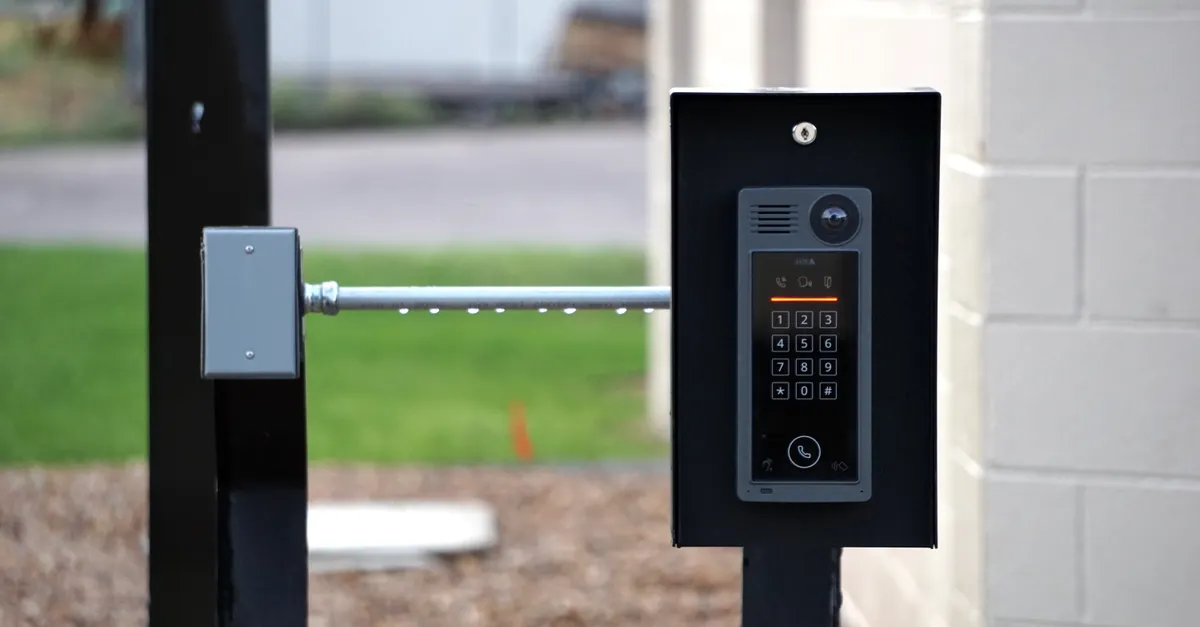
3 Smart Security System
Best For: Home Security
Enhance your home’s security with a smart system that offers real-time alerts and remote monitoring.
Why We Like It
Smart security systems provide peace of mind by allowing you to monitor your home from anywhere. With features like motion detection, video surveillance, and instant alerts, you can respond quickly to any potential threats. This is ideal for those who travel often or have valuable items at home. The integration with other smart home devices, like lights and locks, adds an extra layer of security. However, the initial setup can be complex, and ongoing subscription fees for monitoring services might be a consideration for some users.
How to Choose the Right Automation Tools
Understanding Your Needs
Before diving into the world of home automation, it’s crucial to assess your specific needs. Are you looking to save on energy costs, improve security, or simply reduce the time spent on chores? Identifying your priorities will help you choose the most suitable devices.
Compatibility with Existing Systems
Ensure that the automation tools you select are compatible with your current home systems. For instance, a smart thermostat should work with your HVAC system, and a security system should integrate seamlessly with your existing network.
Ease of Use and Installation
Consider how easy it is to install and use the devices. Some systems may require professional installation, while others are designed for DIY enthusiasts. User-friendly interfaces and intuitive apps can make a significant difference in your overall experience.
Budget Considerations
Automation tools come in a wide range of prices. Set a budget that reflects your needs and stick to it. Remember that while some devices may have a higher upfront cost, they could save you money in the long run through energy savings or reduced maintenance costs.
Frequently Asked Questions
Can I install smart home devices myself?
Many smart home devices are designed for easy DIY installation, but some systems, particularly those involving electrical work or complex integrations, may require professional installation.
Do smart home devices work with all types of internet connections?
Most smart home devices require a stable Wi-Fi connection to function properly. Ensure your internet connection is reliable and has sufficient bandwidth to support multiple devices.
Are there ongoing costs associated with smart home devices?
Some devices, especially security systems, may have ongoing subscription fees for monitoring services. It’s important to consider these costs when budgeting for your smart home setup.
By integrating these automated solutions, you can transform your home into a more efficient and manageable space. For more insights on how to enhance your living environment, explore automated home maintenance solutions that cater to your lifestyle.