

As technology continues to evolve, homeowners are faced with the decision of choosing between smart home automation and traditional systems. This comparison is crucial for anyone looking to enhance their living space with modern conveniences or maintain a classic setup. Understanding the differences between these systems can help you make an informed decision that aligns with your lifestyle and preferences. Whether you’re a tech enthusiast eager to embrace the latest innovations or someone who values simplicity and reliability, this guide will provide valuable insights. For those interested in maximizing energy savings, you might find our article on smart home maintenance systems for energy savings particularly useful.
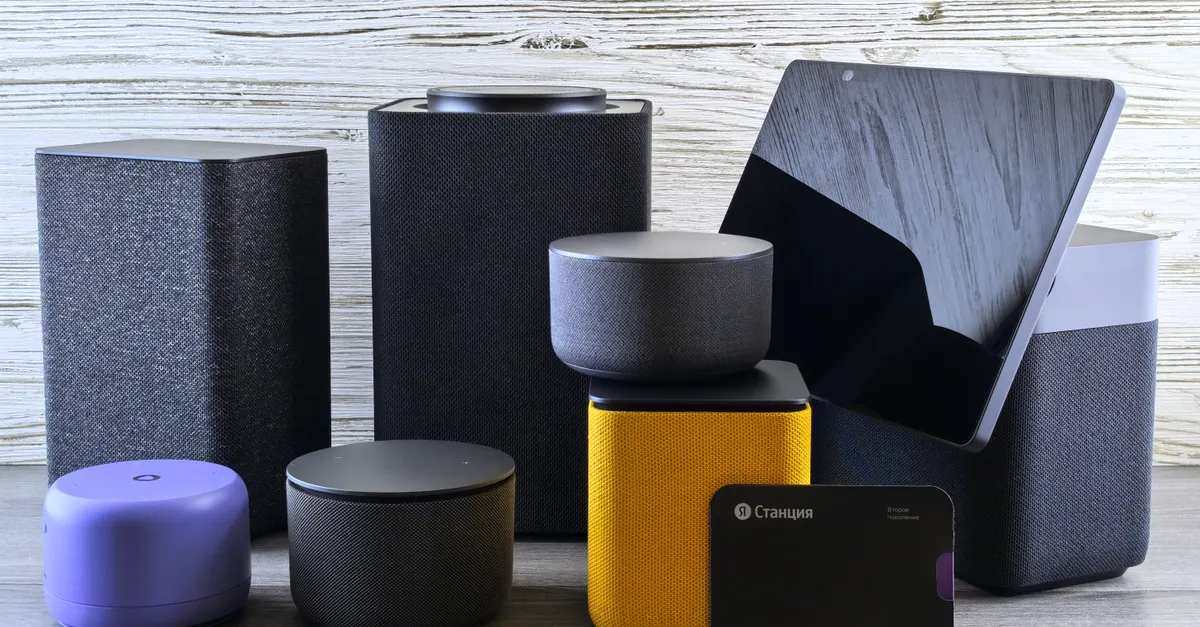
Quick Comparison
| Aspect | Smart Home Automation | Traditional Systems |
|---|---|---|
| Key Features | Remote control, automation, integration with smart devices | Manual control, standalone operation, basic functionality |
| Pros | Convenience, energy efficiency, enhanced security | Reliability, simplicity, cost-effectiveness |
| Cons | Higher initial cost, complexity, dependency on technology | Limited features, less flexibility, manual operation |
| Ideal Use-Case | Tech-savvy users, modern homes, energy-conscious individuals | Traditionalists, budget-conscious users, those preferring simplicity |
For more insights on smart lighting, explore our piece on Smart Lighting for Home Office Productivity: Work Better.
Smart Home Automation
Smart home automation systems are designed to provide homeowners with a seamless and integrated living experience. These systems allow for the remote control of various home functions such as lighting, heating, and security through a smartphone or voice commands. Key features include automation capabilities, which enable devices to operate based on schedules or triggers, and integration with other smart devices for a cohesive ecosystem.
- Convenience: Control your home environment from anywhere using a smartphone app.
- Energy Efficiency: Automate lighting and temperature settings to reduce energy consumption, as detailed in Energy Star’s smart home tips.
- Security: Enhanced security features like smart locks and cameras provide peace of mind.
However, these systems can be complex to set up and may require a significant initial investment. They are ideal for tech-savvy individuals who appreciate the convenience and efficiency that technology offers.
Traditional Systems
Traditional home systems are characterized by their straightforward and reliable nature. These systems typically involve manual controls for lighting, heating, and security, offering a no-frills approach to home management. Key features include ease of use and low maintenance requirements, making them a popular choice for those who prefer simplicity.
- Reliability: Proven technology that has stood the test of time.
- Simplicity: Easy to use with minimal learning curve.
- Cost-Effectiveness: Generally more affordable than smart systems.
While traditional systems lack the advanced features of smart automation, they are perfect for those who value simplicity and reliability over modern conveniences.
Head-to-Head Comparison
When comparing smart home automation and traditional systems, several factors come into play. In terms of performance, smart systems offer superior control and customization, allowing users to tailor their environment to their preferences. Traditional systems, on the other hand, provide consistent and reliable performance without the need for technological intervention.
Feature-wise, smart systems boast a plethora of options, including remote access and automation, whereas traditional systems focus on basic functionality. The build quality of smart devices is often sleek and modern, while traditional systems are known for their durability and robustness.
Pricing is another consideration; smart systems generally come with a higher upfront cost but can lead to savings in the long run through energy efficiency. Traditional systems are more budget-friendly initially but may not offer the same long-term savings.
Ultimately, the best choice depends on the user’s needs. Tech enthusiasts and those looking for a modern home experience will likely prefer smart systems, while traditionalists and budget-conscious individuals may lean towards traditional setups.

Which One Should You Choose?
Choosing between smart home automation and traditional systems depends largely on your personal preferences and lifestyle. If you are someone who enjoys the latest technology and values convenience, a smart home system may be the right choice for you. These systems offer a high level of customization and can significantly enhance your home’s efficiency and security.
Conversely, if you prefer a straightforward and reliable approach to home management, traditional systems might be more suitable. They offer simplicity and are generally more cost-effective, making them a great option for those who prioritize ease of use over technological advancements.
Consider your budget, the level of control you desire, and your comfort with technology when making your decision. Each system has its own set of advantages and drawbacks, so it’s important to weigh these factors carefully.
Frequently Asked Questions
What are the main benefits of smart home automation? Smart home automation offers convenience, energy efficiency, and enhanced security. It allows users to control their home environment remotely and automate various functions for improved efficiency.
Are traditional systems still relevant in modern homes? Yes, traditional systems remain relevant due to their reliability and simplicity. They are ideal for those who prefer a straightforward approach to home management without the complexities of modern technology.
Can smart home systems save money in the long run? While smart home systems may have a higher initial cost, they can lead to savings over time through improved energy efficiency and reduced utility bills.




