
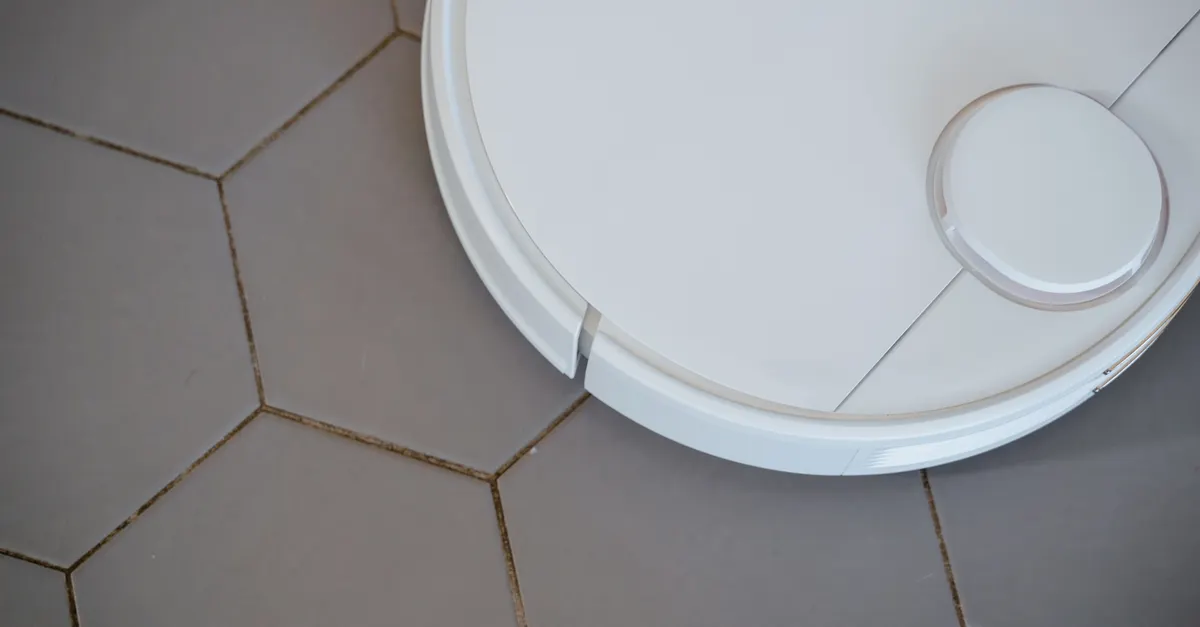
In today’s rapidly evolving world, the debate between automated home maintenance vs traditional maintenance has become increasingly relevant. As technology advances, homeowners are faced with the choice of embracing automated solutions or sticking with tried-and-true traditional methods. This comparison is crucial for anyone looking to optimize their home maintenance routine, whether they are tech-savvy individuals eager to integrate smart systems or those who prefer the reliability of manual upkeep. By understanding the strengths and weaknesses of each approach, homeowners can make informed decisions that align with their lifestyle and preferences. For more insights into smart home systems, check out our article on smart home automation vs traditional systems.

Quick Comparison
| Aspect | Automated Home Maintenance | Traditional Maintenance |
|---|---|---|
| Key Features | Smart sensors, automated scheduling, remote monitoring | Manual inspections, routine check-ups, hands-on repairs |
| Pros | Convenience, time-saving, energy-efficient | Cost-effective, reliable, no tech dependency |
| Cons | Initial setup cost, tech issues, learning curve | Labor-intensive, time-consuming, potential for oversight |
| Ideal Use-Case | Tech-savvy homeowners, busy professionals | DIY enthusiasts, budget-conscious individuals |
For those interested in exploring automated solutions further, our guide on automated home maintenance solutions offers a comprehensive overview.
Automated Home Maintenance
Automated home maintenance leverages technology to streamline and simplify household upkeep. This approach typically involves the use of smart devices and systems that can monitor, schedule, and even perform maintenance tasks without human intervention. Key features include smart sensors that detect issues like leaks or temperature changes, automated scheduling for regular maintenance tasks, and remote monitoring capabilities that allow homeowners to oversee their home’s condition from anywhere.
Pros: The primary advantage of automated maintenance is convenience. Homeowners can save significant time and effort by allowing technology to handle routine tasks. Additionally, these systems often enhance energy efficiency by optimizing the operation of home systems.
Cons: However, the initial cost of setting up an automated system can be a barrier for some. There’s also the potential for technical issues and a learning curve associated with operating these systems effectively.
Traditional Maintenance
Traditional maintenance relies on manual methods and personal oversight to ensure a home is well-maintained. This approach involves regular inspections, routine check-ups, and hands-on repairs. It’s a method that many homeowners have relied on for generations, offering a sense of control and reliability.
Pros: Traditional maintenance is often more cost-effective, as it doesn’t require investment in new technology. It also provides a level of reliability, as homeowners can directly oversee and address issues as they arise.
Cons: On the downside, traditional maintenance can be labor-intensive and time-consuming. It requires a consistent commitment to routine tasks, and there’s always a risk of human error or oversight.
Head-to-Head Comparison
When comparing automated home maintenance vs traditional maintenance, several factors come into play. In terms of performance, automated systems offer efficiency and precision, often detecting issues before they become significant problems. Traditional methods, while reliable, may not catch issues as early, relying heavily on the homeowner’s vigilance.
Feature-wise, automated systems are packed with advanced technologies like smart sensors and remote access, which are absent in traditional methods. However, traditional maintenance offers simplicity and direct control, which some homeowners prefer.
Build quality is generally not a concern for either method, as both rely on the quality of the tools and systems used. Pricing varies, with automated systems requiring a higher initial investment but potentially saving money in the long run through efficiency gains. Traditional methods are less expensive upfront but may incur higher costs over time due to manual labor and potential inefficiencies.
Durability is another consideration. Automated systems are designed to last, with regular software updates and maintenance. Traditional methods depend on the durability of the tools and materials used.
Ultimately, automated systems are best suited for tech-savvy individuals and busy professionals, while traditional methods appeal to DIY enthusiasts and those who prefer a hands-on approach.

Which One Should You Choose?
The choice between automated and traditional maintenance depends largely on your personal needs and preferences. If you value convenience and have the budget for initial setup costs, automated home maintenance can significantly enhance your lifestyle by saving time and increasing efficiency. It’s particularly beneficial for those who are comfortable with technology and want to integrate smart solutions into their daily lives.
On the other hand, if you prefer a more hands-on approach and are looking to minimize expenses, traditional maintenance might be the better option. It’s ideal for those who enjoy DIY projects and have the time to dedicate to regular home upkeep.
Frequently Asked Questions
Q: Is automated home maintenance worth the investment?
A: For many, the convenience and efficiency of automated systems justify the initial investment. They can save time and potentially reduce long-term costs by preventing major issues.
Q: Can traditional maintenance be as effective as automated systems?
A: Yes, traditional maintenance can be effective, but it requires more time and effort. The effectiveness largely depends on the homeowner’s diligence and expertise.
Q: Are there any hybrid approaches that combine both methods?
A: Absolutely. Many homeowners choose to use automated systems for certain tasks while maintaining a traditional approach for others, creating a balanced maintenance strategy.




