

Managing a household can be time-consuming, especially when it comes to routine maintenance tasks. Thanks to advances in smart home technology, many of these chores can now be handled automatically, freeing up valuable hours for homeowners. Understanding how automated home maintenance saves time is essential for anyone looking to streamline daily responsibilities and make life more efficient. This article explores the main components of home automation, compares traditional and automated approaches, and highlights the real-world benefits of integrating these systems into your home.

Understanding Automated Home Maintenance
Automated home maintenance refers to the use of interconnected devices and systems—often managed through a central hub or app—to handle routine household tasks. These systems leverage smart home technology and the Internet of Things (IoT) to monitor, control, and optimize everything from lighting and climate to security and appliance upkeep. The growing popularity of these solutions is driven by their ability to save time, reduce manual effort, and improve the overall comfort and safety of a home.
Key Components of Home Automation Systems
Modern home automation relies on a network of smart devices that communicate with each other and with users. Common components include:
- Smart thermostats: Automatically adjust heating and cooling based on occupancy and preferences, helping maintain comfort while minimizing energy use. Learn more about how smart thermostats can help reduce energy use.
- Smart locks and security systems: Provide keyless entry, remote locking, and real-time alerts for enhanced safety.
- Automated lighting systems: Schedule lights to turn on or off, adjust brightness, and even simulate occupancy when you’re away.
- IoT sensors: Monitor conditions such as humidity, leaks, or smoke, and trigger alerts or actions as needed.
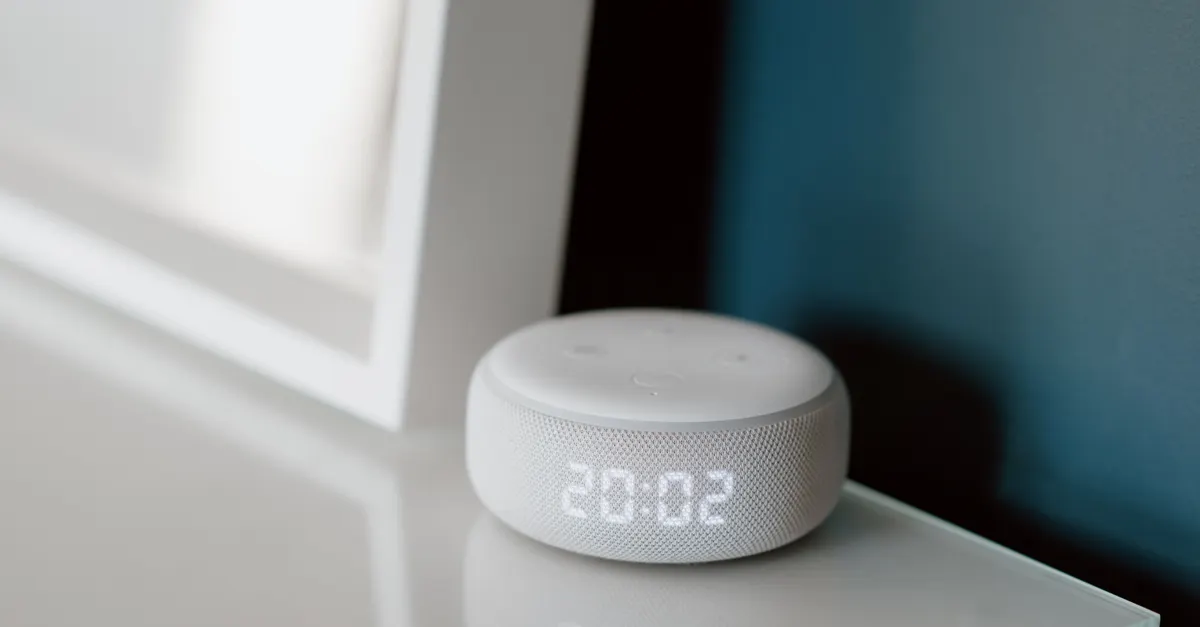
- Digital home assistants: Voice-activated devices that can control other smart devices, set reminders, and automate routines.
These devices are typically connected via Wi-Fi or other wireless protocols, allowing seamless integration and centralized control through smartphones, tablets, or dedicated control panels.
How Automated Home Maintenance Saves Time Compared to Traditional Methods
One of the most significant advantages of home automation is its ability to reduce the time spent on routine maintenance. Traditional approaches often require manual checks, scheduling, and intervention, which can be both time-consuming and prone to oversight. In contrast, automated systems handle many of these tasks in the background, ensuring that nothing is forgotten and that maintenance is performed proactively.
For example, digital home assistants can automate reminders for filter changes, schedule appliance maintenance, and even coordinate with service providers. Automated lighting and climate control systems adjust settings based on occupancy and time of day, eliminating the need for manual adjustments. Leak detectors and other sensors can notify homeowners of issues immediately, allowing for faster response and minimizing potential damage.
Consider a typical scenario: In a traditional home, a homeowner might spend several hours each month checking smoke detectors, adjusting thermostats, watering plants, and managing security. With automation, many of these tasks are handled automatically or with a single command, resulting in substantial time savings over the course of a year.
According to research comparing digital home assistants with traditional methods, automating maintenance tasks not only reduces the chance of forgetting important chores but also supports preventive care, which can further decrease the need for time-intensive repairs down the line.
For those interested in exploring a range of automated home maintenance solutions, there are many options available to suit different needs and budgets.
Case Study: Real-World Time Savings
Imagine a homeowner who previously spent 30 minutes each day managing lights, adjusting the thermostat, and checking security features. After installing a comprehensive automation system, these tasks are reduced to a few taps on a smartphone or automated routines triggered by sensors. Over a month, this can save up to 15 hours—time that can be redirected to more meaningful activities.
Similarly, automated irrigation systems can monitor soil moisture and weather forecasts, watering only when necessary. This not only saves water but also eliminates the need for daily manual watering, further highlighting how automated home maintenance saves time in practical, measurable ways.
Energy Efficiency and Cost Savings
Beyond time savings, home automation systems contribute to greater energy efficiency and lower utility bills. Smart thermostats learn your schedule and adjust heating or cooling accordingly, ensuring that energy is not wasted when no one is home. Automated lighting systems turn off lights in unoccupied rooms, and smart plugs can cut power to devices that are not in use.
While specific savings will vary depending on the devices used and the size of the home, many homeowners report noticeable reductions in their energy bills after implementing automation. These systems also provide detailed usage reports, helping users identify further opportunities for efficiency and cost reduction.
Enhancing Security Through Automation
Security is a top priority for many homeowners, and automation offers several advanced features that go beyond traditional locks and alarms. Smart locks enable remote access and can generate temporary codes for guests or service providers. Surveillance cameras with motion detection can send real-time alerts and store footage in the cloud for later review.
Automated lighting can deter intruders by simulating occupancy, while integrated alarm systems can trigger lights, cameras, and notifications simultaneously in the event of a security breach. These features not only improve safety but also reduce the time and effort required to monitor and manage home security.
Challenges and Limitations of Automated Systems
Despite their many benefits, automated home maintenance systems are not without challenges. Compatibility between devices from different manufacturers can be an issue, sometimes requiring additional hubs or software to ensure seamless operation. Interoperability standards are improving, but homeowners may still encounter limitations when integrating older devices with newer systems.
Another consideration is the initial investment required for smart devices and installation. While many systems offer long-term savings, the upfront costs can be a barrier for some. Additionally, reliance on internet connectivity means that outages can temporarily disrupt automated functions, although many systems offer local control as a backup.
Finally, privacy concerns related to connected devices and data sharing should be taken into account. Choosing reputable brands and following best practices for network security can help mitigate these risks.
Looking Ahead: The Future of Home Maintenance
The evolution of home automation and IoT continues to accelerate, with new devices and features emerging regularly. As technology advances, we can expect even greater integration, smarter predictive maintenance, and more intuitive user interfaces. Homeowners who invest in automation today are positioning themselves to benefit from ongoing improvements in convenience, efficiency, and peace of mind.
Preparing for the future involves staying informed about new developments and considering how additional automation can further simplify daily life. With the right approach, the time-saving potential of these systems will only continue to grow.
Frequently Asked Questions
What types of tasks can be automated in home maintenance?
Common tasks include adjusting thermostats, managing lighting, monitoring security, scheduling appliance maintenance, watering plants, and receiving alerts for leaks or smoke. Many systems allow for customization based on individual needs.
How do automated systems compare to traditional maintenance methods?
Automated systems handle many routine tasks automatically, reducing manual effort and the risk of forgetting important chores. In contrast, traditional methods require regular checks and hands-on management, which can be more time-consuming and less efficient.
Are there any drawbacks to using home automation for maintenance?
Potential drawbacks include compatibility issues between devices, upfront costs, and reliance on internet connectivity. Privacy and data security are also important considerations, but these can be managed with careful device selection and proper network security practices.




