
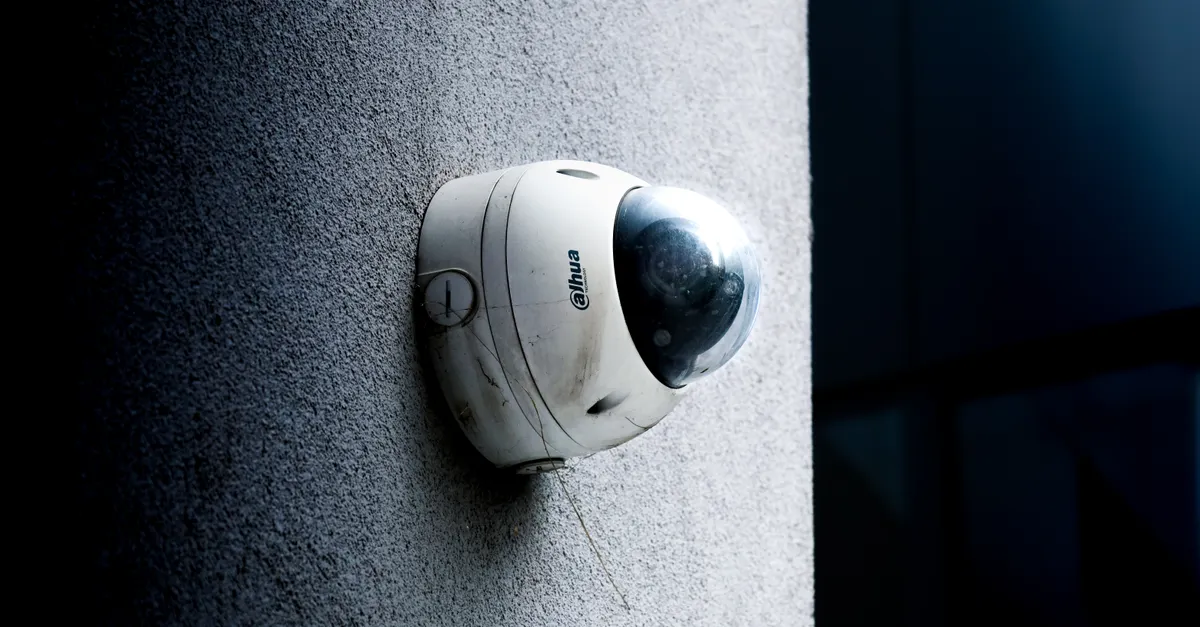
Artificial intelligence is transforming the way we protect our homes. With the rapid evolution of smart technology, homeowners now have access to security systems that can analyze, learn, and respond in real time. Understanding the AI home security system features to consider is crucial for anyone looking to invest in a solution that not only detects threats but also adapts to changing environments and user needs. This guide explores the most important capabilities, explains how they work, and compares what different systems offer so you can make an informed decision.
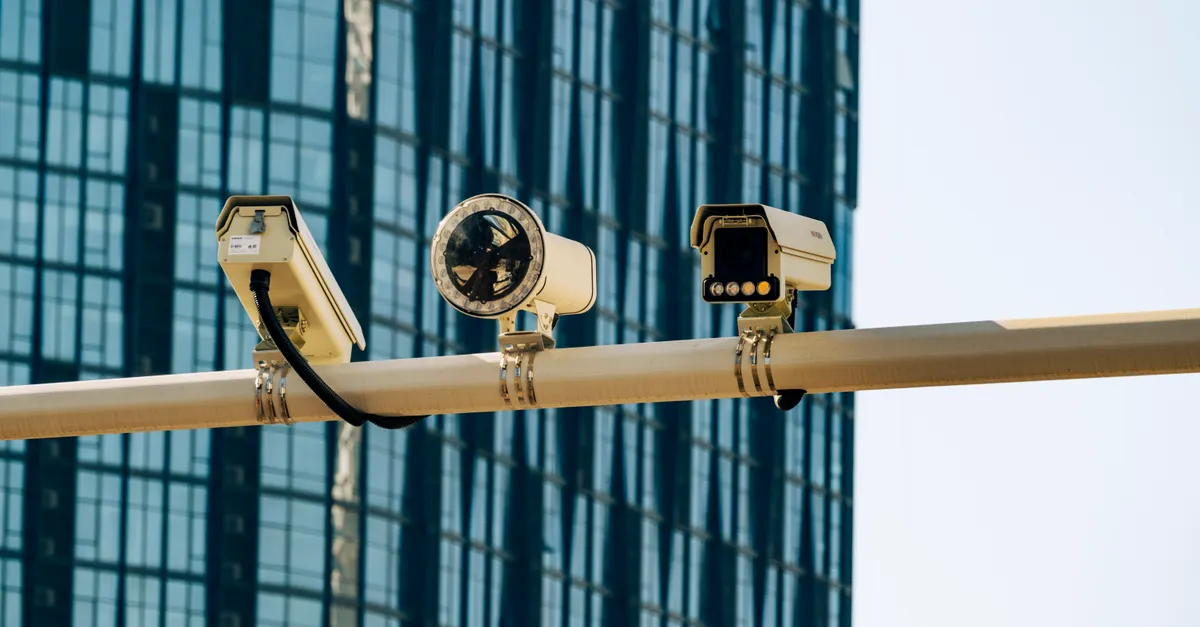
Understanding AI in Modern Home Security
AI, or artificial intelligence, refers to the ability of machines to mimic human-like decision-making and learning. In the context of home security, AI enables devices to process data from sensors and cameras, recognize patterns, and distinguish between normal and suspicious activity. This technology has become increasingly important as homeowners demand smarter, more reliable protection that minimizes false alarms and integrates seamlessly with other smart home devices.
Unlike traditional systems that rely on simple motion detection, AI-powered solutions can identify specific objects, such as people, vehicles, or animals, and react accordingly. This level of intelligence not only enhances security but also provides users with more relevant notifications and greater peace of mind.
Essential AI Home Security System Features to Consider
When evaluating smart security options, it’s important to focus on the core AI-driven features that set these systems apart from conventional setups. Here are the most significant capabilities to look for:
- Person, Vehicle, and Animal Detection: Advanced AI algorithms can differentiate between humans, cars, and pets. This reduces unnecessary alerts and ensures you’re only notified about real security events.
- Intelligent Alerts: Instead of sending a notification for every movement, these systems use AI to assess the context and urgency. For example, you might receive an alert only when a person approaches your door, not when a tree branch moves.
- Smart Monitoring: AI-powered monitoring means the system can learn your household’s routines and recognize unusual patterns, such as activity at odd hours or unfamiliar faces.
- Predictive Analytics: Some systems use historical data to predict potential risks, such as identifying when your home is most vulnerable or flagging repeated suspicious behavior.
- Real-Time Alerts and Response: Immediate notifications allow homeowners to act quickly, whether that means contacting authorities or checking live video feeds.
- Face Recognition: This feature enables the system to identify familiar people, reducing false alarms and allowing for customized responses based on who is detected.
- Integration with Smart Home Devices: Seamless compatibility with other smart devices—like lights, locks, and voice assistants—enables automated routines and centralized control.
These AI home security system features to consider are designed to make monitoring more accurate and less intrusive. For example, as discussed in industry reviews, person detection and intelligent alerts have been shown to significantly reduce false alarms, which is a common frustration with older systems.
Comparing AI Features Across Leading Security Systems
Not all AI-powered security solutions are created equal. The way each system implements and prioritizes features can vary, so it’s important to compare your options based on your specific needs. Here’s how some of the most popular brands approach AI-driven home protection:
- Vivint: Known for robust smart home integration, Vivint’s security cameras offer person detection, package detection, and smart notifications. Their system can also automate lighting and locks in response to detected events.
- ADT: ADT’s AI features focus on real-time monitoring and intelligent alerts, with the ability to distinguish between people and animals. Their platform integrates with a wide range of smart home devices for a comprehensive security ecosystem.
- Google Nest: Nest cameras use advanced AI to recognize faces, detect vehicles, and filter out irrelevant motion. The system learns over time, improving its ability to identify routine versus unusual activity.
When comparing these systems, consider which AI home security system features to consider are most relevant for your household. For example, if you have pets, animal detection may be a priority. If you receive frequent deliveries, package detection could be essential. For a side-by-side look at how these features stack up, you might find an AI home security system features comparison helpful as you narrow down your choices.
It’s also worth noting that some brands offer more customizable AI settings, allowing users to adjust sensitivity levels or set specific alert zones. This flexibility can be particularly valuable in busy neighborhoods or homes with a lot of activity.
Advantages and Drawbacks of AI in Home Security
The integration of artificial intelligence brings several notable benefits to home security:
- Reduced False Alarms: By distinguishing between people, animals, and objects, AI minimizes unnecessary notifications, saving time and reducing stress.
- Improved Response Times: Real-time alerts and intelligent analysis enable homeowners and monitoring centers to act quickly in the event of a genuine threat.
- Personalization: AI systems can adapt to your routines, recognize familiar faces, and tailor notifications to your preferences.
- Seamless Integration: Many AI security platforms work with other smart home devices, creating a unified and automated environment.
However, there are also some limitations and potential risks to keep in mind:
- Privacy Concerns: Advanced features like face recognition and continuous monitoring can raise questions about data security and personal privacy.
- Dependence on Internet Connectivity: Many AI features require a stable internet connection, which could be a drawback in areas with unreliable service.
- Learning Curve: Some systems may require time to learn your routines and may initially generate more alerts until they adapt.
- Cost: AI-enabled security solutions often come at a premium compared to traditional systems.
Balancing these pros and cons is essential when deciding which AI home security system features to consider for your property. If privacy is a top concern, look for systems that offer robust data protection and customizable privacy settings. For more on privacy issues, you may want to explore resources that address AI home security system privacy concerns.
Frequently Asked Questions
How does AI reduce false alarms in home security systems?
AI-powered security devices use advanced object recognition to differentiate between people, animals, vehicles, and inanimate objects. This means you’re less likely to receive alerts for harmless activity, such as a passing car or a pet moving in the yard, and more likely to be notified only when a real threat is detected.
Can AI home security systems integrate with other smart devices?
Yes, most modern AI security platforms are designed to work with a variety of smart home devices. This includes smart locks, lighting, thermostats, and voice assistants. Integration allows for automated routines, such as turning on lights when motion is detected or locking doors when the system is armed.
Are there any privacy risks with AI-enabled security cameras?
AI features like face recognition and continuous video recording can raise privacy concerns, especially if data is stored in the cloud. It’s important to choose a system that offers strong encryption, clear privacy policies, and user controls for data sharing and retention.
Conclusion
Choosing the right smart security solution means understanding which AI-driven features will have the greatest impact on your safety and convenience. By focusing on capabilities like intelligent detection, real-time alerts, predictive analytics, and seamless integration, you can select a system that not only protects your home but also adapts to your lifestyle. As AI technology continues to advance, these features will become even more central to effective home security, offering smarter protection and greater peace of mind for homeowners everywhere.




