As the global population ages, families and healthcare providers are seeking innovative ways to ensure seniors can live safely and comfortably at home. AI caregiver support tools are emerging as a practical solution, offering a blend of safety, companionship, and efficiency for elderly home care. These technologies range from smart monitoring devices to conversational assistants, all designed to ease the burden on human caregivers and enhance the quality of life for older adults.
The adoption of artificial intelligence in home care is not just about convenience—it’s about addressing real challenges such as caregiver shortages, rising healthcare costs, and the desire for seniors to maintain independence. For those interested in related solutions, exploring AI for family caregiver monitoring can provide additional insights into how technology is transforming elder care.
Understanding the Role of AI in Home-Based Elder Care
Artificial intelligence is reshaping how care is delivered to seniors at home. These smart systems can monitor health, detect emergencies, and even provide reminders for medication or appointments. By integrating AI caregiver support tools into daily routines, families and professional caregivers can gain peace of mind, knowing that technology is helping to fill gaps in supervision and support.
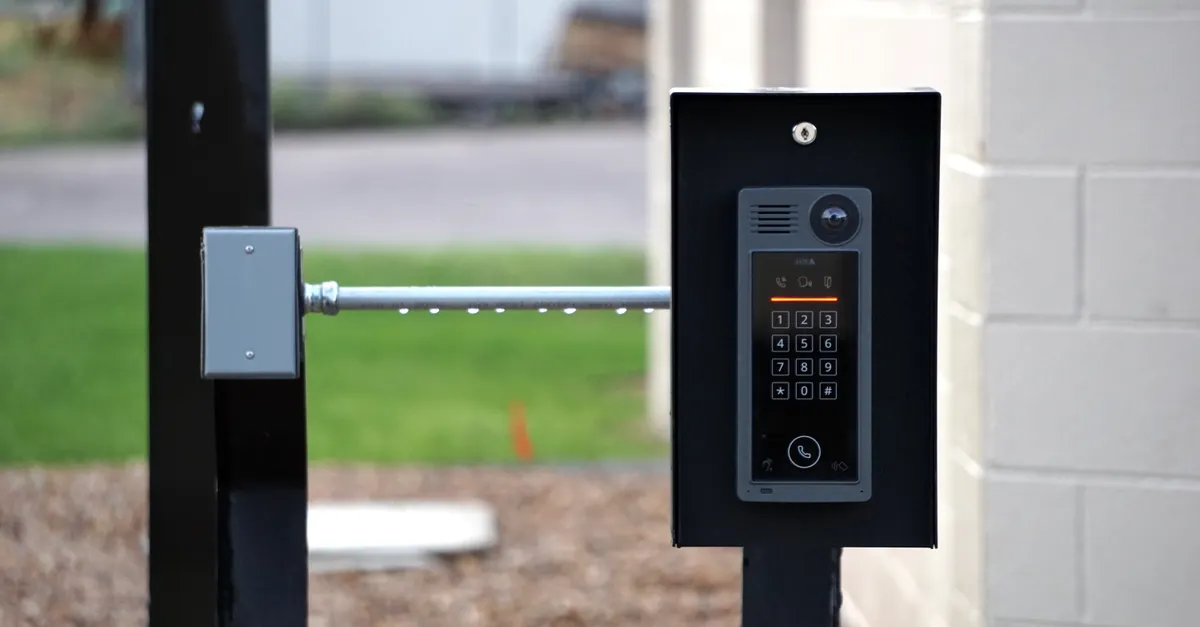
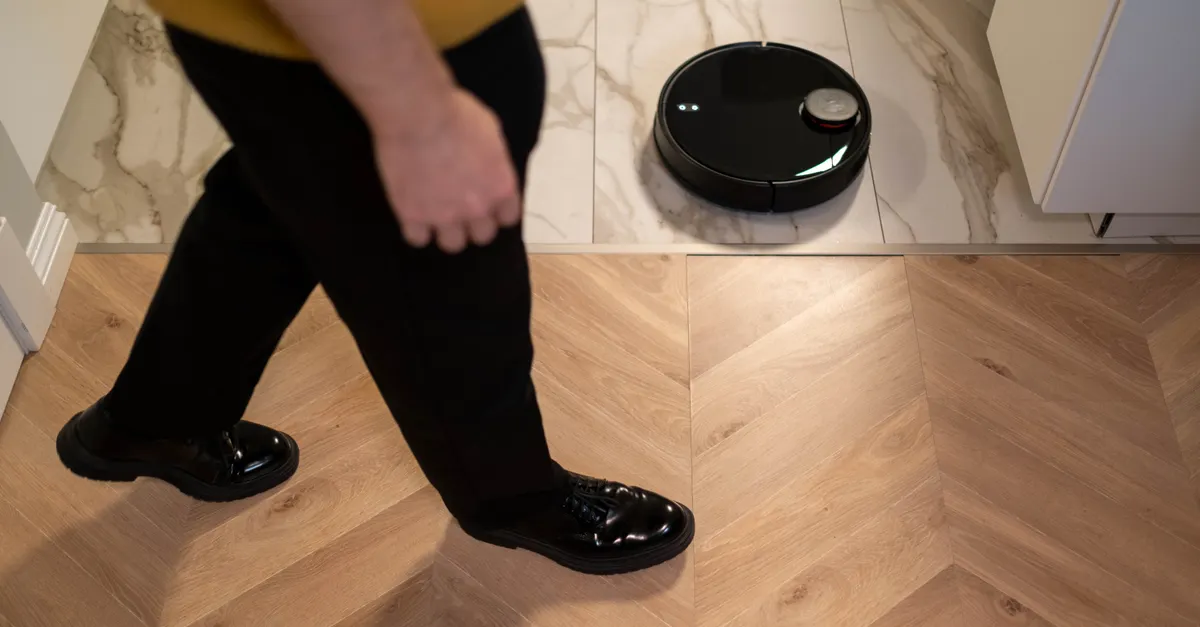
Many of these solutions use sensors, cameras, and data analytics to track movement, identify unusual patterns, and alert caregivers to potential risks. For example, if a senior falls or misses a meal, the system can send an immediate notification. This proactive approach helps prevent accidents and ensures timely intervention.
Key Benefits of AI-Driven Support Systems for Seniors
The advantages of using artificial intelligence in elderly care extend beyond basic monitoring. Here are some of the most significant benefits:
- Enhanced Safety: AI-powered devices can detect falls, wandering, or inactivity, triggering alerts for caregivers or emergency services.
- Personalized Assistance: Smart assistants can remind seniors to take medication, hydrate, or attend appointments, adapting to individual routines.
- Reduced Caregiver Stress: By automating routine checks and providing real-time updates, these tools allow caregivers to focus on more meaningful interactions.
- Social Connection: Some AI companions offer conversational support, helping to combat loneliness and encourage mental engagement.
- Cost Efficiency: By reducing the need for constant in-person supervision, families can manage care more affordably.
Popular Types of AI Caregiver Support Tools
The landscape of AI-powered solutions for seniors is diverse. Here are some of the most common categories:
- Wearable Devices: Smartwatches and pendants equipped with health tracking and emergency alert features.
- Home Monitoring Systems: Cameras and sensors that track movement, detect falls, and monitor daily activity.
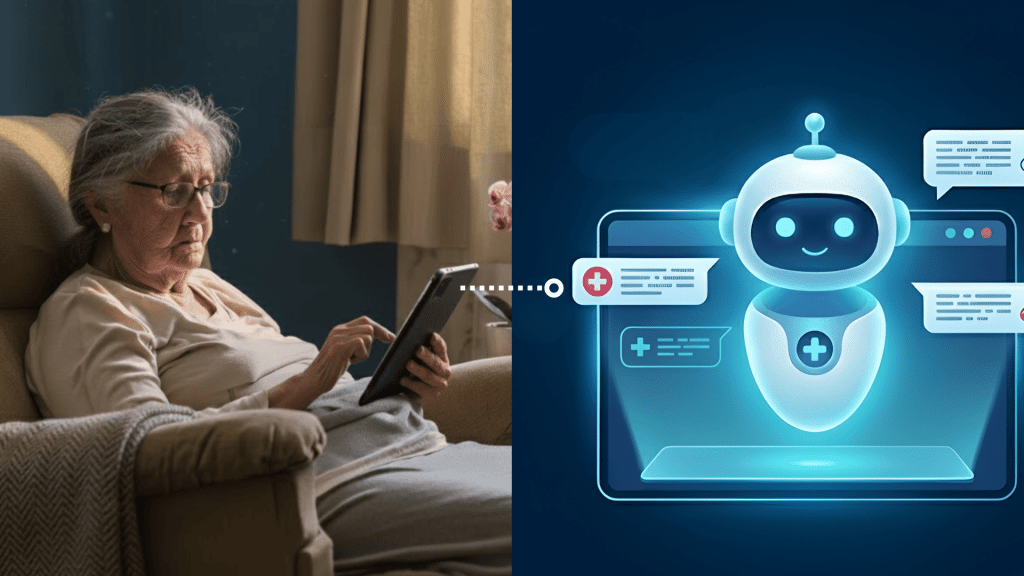
- Conversational AI Assistants: Voice-activated devices that provide reminders, answer questions, and offer companionship.
- Medication Management Tools: Automated pill dispensers and reminder systems to help seniors adhere to their medication schedules.
- Mobility and Activity Trackers: Devices that encourage physical activity and monitor mobility patterns, supporting independence.

How AI Enhances Daily Life for Seniors and Caregivers
Integrating smart technology into home care routines can transform the daily experience for both seniors and their caregivers. For example, wearable devices can monitor vital signs and send alerts if something is amiss, while home sensors can track movement and detect falls. These features allow for immediate response, reducing the risk of serious injury.
AI-powered assistants can also help with scheduling and reminders, ensuring that important tasks like taking medication or attending appointments are not forgotten. For families living at a distance, remote monitoring tools provide reassurance that their loved ones are safe and well-cared for.
For those interested in mobility and activity tracking, resources such as AI activity tracking seniors and AI mobility monitoring elderly offer further information on how these technologies support independence.
Addressing Loneliness and Social Isolation
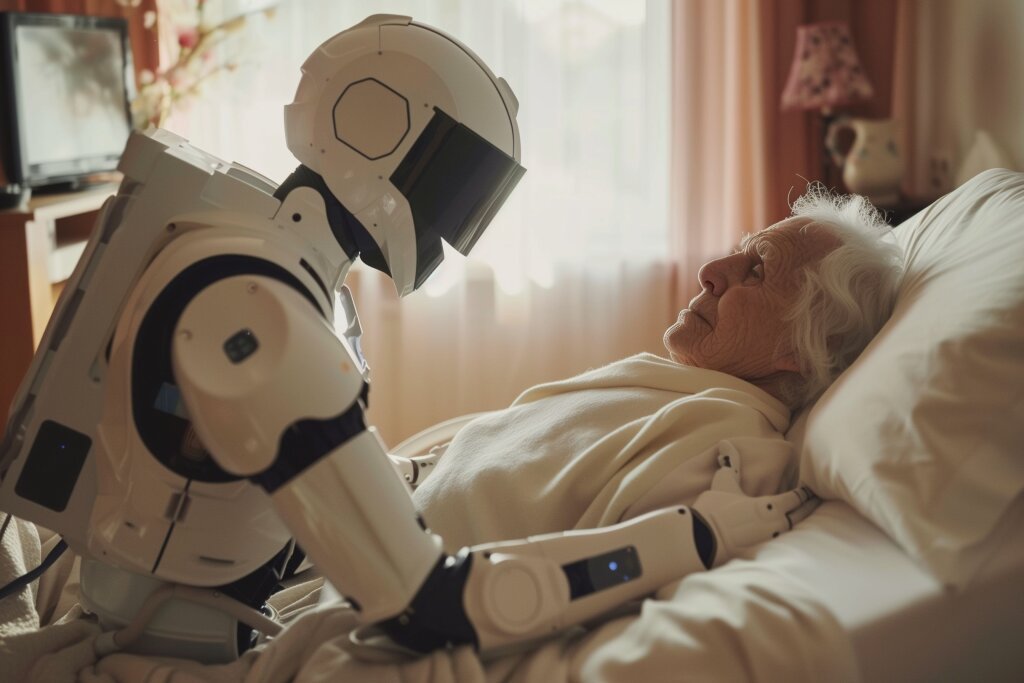
One of the lesser-discussed but critical aspects of elder care is emotional well-being. Social isolation can have a profound impact on seniors, leading to depression and cognitive decline. AI companions are now being used to provide conversational support, play games, and even facilitate video calls with family members.
According to recent coverage on AI companions in elder care, these digital assistants are helping to fight loneliness, boost safety, and scale support for seniors living alone. By offering a friendly voice and interactive features, AI can make a meaningful difference in daily life.
Challenges and Considerations in Implementing AI Solutions
While the benefits of AI in home care are clear, there are also challenges to consider. Privacy concerns, data security, and the need for user-friendly interfaces are top priorities. Seniors may require training or support to use new devices effectively, and families should carefully evaluate the reliability and reputation of any technology before adoption.
It’s also important to recognize that technology is a supplement, not a replacement, for human connection. The best outcomes are achieved when AI tools are used to enhance, rather than substitute, personal care and interaction.
For those looking to optimize the home environment further, exploring AI energy management elderly homes can provide ideas for making living spaces safer and more efficient.
Future Trends in AI-Powered Elder Care
The future of home care for seniors is likely to see even greater integration of AI, with advancements in machine learning, robotics, and predictive analytics. We can expect more intuitive devices, expanded health monitoring capabilities, and seamless communication between caregivers, families, and healthcare providers.
As the technology matures, collaboration between developers, healthcare professionals, and end-users will be essential to ensure that solutions remain ethical, accessible, and truly beneficial for the elderly.
FAQ: Common Questions About AI Caregiver Support Tools
How do AI-powered devices help prevent accidents at home?
These tools use sensors and data analysis to detect unusual activity, such as falls or prolonged inactivity. When a potential problem is identified, alerts are sent to caregivers or emergency contacts, enabling rapid response and reducing the risk of serious injury.
Are AI-based support systems difficult for seniors to use?
Most modern solutions are designed with user-friendliness in mind. Many devices feature simple interfaces, voice commands, and automated alerts, making them accessible even for those with limited technical experience. Some initial setup or training may be needed, but ongoing use is generally straightforward.
Can AI tools replace human caregivers?
While artificial intelligence can automate many routine tasks and provide valuable monitoring, it is not a substitute for human care. The best approach combines technology with personal interaction, ensuring seniors receive both practical support and emotional connection.
What should families consider before choosing an AI solution?
Key factors include ease of use, data privacy, compatibility with existing devices, and the reputation of the provider. It’s also important to involve seniors in the decision-making process to ensure the chosen solution meets their needs and preferences.
For further reading on related innovations, you may want to learn about AI physical therapy for elderly and how it supports rehabilitation and mobility in home settings.