
The way we interact with our homes is changing rapidly, driven by the convergence of AI home automation and 5G connectivity. Smart devices are no longer isolated gadgets—they are part of a seamless, intelligent ecosystem that adapts to our needs in real time. By combining artificial intelligence with ultra-fast wireless networks, modern homes are becoming more responsive, efficient, and secure than ever before.
This article explores how these technologies work together, the benefits they bring, and what homeowners should consider as they upgrade their living spaces. Whether you’re just starting with smart devices or looking to optimize your connected home, understanding the synergy between AI and 5G is essential.
For those interested in the technical side, our guide on ai home automation programming basics offers a deeper dive into how these systems are built and customized.
The Evolution of Smart Homes With AI and 5G
Smart home technology has evolved from simple remote controls to complex, interconnected networks. The introduction of AI-driven automation has enabled devices to learn from user behavior, predict needs, and automate tasks like lighting, climate control, and security. With the arrival of 5G, these systems are now able to communicate faster and more reliably, unlocking new possibilities for real-time automation and remote management.
Key milestones in this evolution include:
- Voice assistants that understand natural language and context
- Smart sensors that detect motion, temperature, and air quality
- Automated routines that adjust settings based on time, occupancy, or preferences
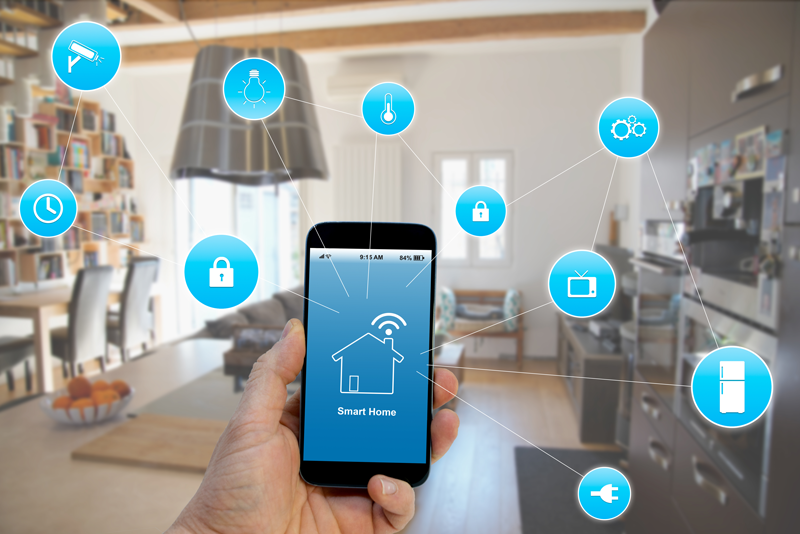
- Remote monitoring and control via smartphones and wearables
By leveraging the speed and low latency of 5G, these features become more responsive and scalable, supporting a growing number of devices without lag or interruptions.
How AI Home Automation and 5G Work Together
The combination of artificial intelligence and next-generation wireless connectivity is transforming the smart home experience. Here’s how these technologies complement each other:
- AI algorithms analyze data from sensors, cameras, and user interactions to make intelligent decisions—such as adjusting lighting when someone enters a room or optimizing energy usage based on weather forecasts.
- 5G networks provide the bandwidth and low latency needed for real-time communication between devices, cloud servers, and mobile apps. This ensures that commands are executed instantly and that devices can share data seamlessly.
- Together, they enable advanced features like facial recognition for security, predictive maintenance for appliances, and personalized entertainment experiences.
For example, a smart security system powered by AI can detect unusual activity and send instant alerts to your phone over a 5G connection, allowing you to respond quickly no matter where you are.

Benefits of Integrating AI and 5G in Modern Homes
Embracing ai home automation and 5g connectivity brings a range of advantages for homeowners:
- Instantaneous Response: With 5G, commands sent to smart devices are executed almost instantly, making voice assistants and automation routines more reliable.
- Enhanced Security: AI-powered surveillance and monitoring systems can detect threats and notify homeowners in real time, while 5G ensures these alerts are delivered without delay.
- Energy Efficiency: AI can analyze patterns and optimize heating, cooling, and lighting, reducing energy waste. Fast connectivity allows for real-time adjustments based on occupancy and weather changes.
- Personalization: Smart homes can adapt to individual preferences, learning routines and adjusting settings for comfort and convenience.
- Scalability: As more devices are added, 5G networks can handle the increased data traffic without slowing down, supporting everything from smart appliances to entertainment systems.
For homeowners interested in sustainable living, integrating these technologies can also support advanced energy storage and management. Learn more about ai home automation for energy storage to see how AI and connectivity can help reduce utility costs and environmental impact.
Key Use Cases for AI and 5G in Home Automation
The practical applications of these technologies are expanding rapidly. Some of the most impactful use cases include:
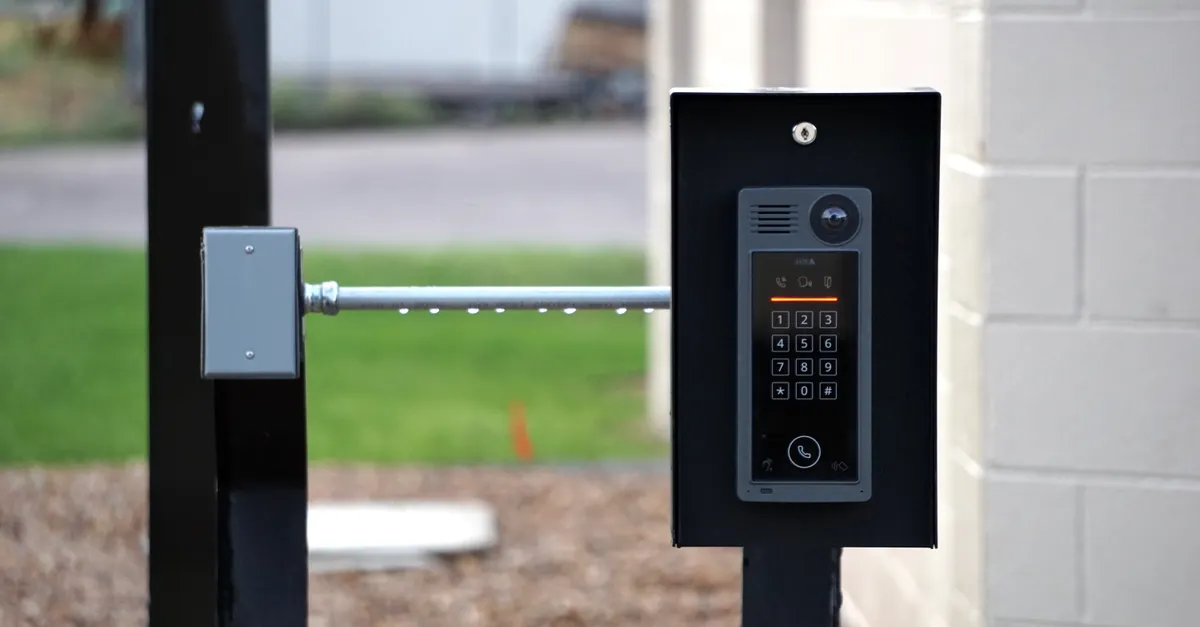
- Smart Security: AI-powered cameras and sensors can recognize faces, detect unusual activity, and send instant notifications over 5G.
- Voice-Activated Control: With improved connectivity, voice assistants can control lights, locks, and appliances with minimal delay.
- Predictive Maintenance: AI can monitor the health of appliances and systems, alerting homeowners to potential issues before they become costly repairs.
- Remote Access: 5G allows homeowners to manage their smart devices from anywhere, whether it’s adjusting the thermostat or checking security feeds.
- Entertainment: High-bandwidth 5G connections enable seamless streaming, gaming, and multi-room audio experiences, all managed by intelligent automation.
For a deeper look at how predictive analytics is shaping smart homes, visit our article on ai predictive analytics in smart homes.
Challenges and Considerations for Homeowners
While the integration of ai home automation and 5g offers many benefits, there are important factors to keep in mind:
- Privacy: AI systems collect and analyze large amounts of personal data. Homeowners should review privacy policies and ensure their devices offer robust security features.
- Compatibility: Not all smart devices support 5G or advanced AI features. It’s important to check compatibility before making new purchases.
- Cost: Upgrading to the latest technology can be expensive. Consider which features are most valuable for your household and prioritize accordingly.
- Regulatory Compliance: As smart home technology evolves, regulations around data protection and wireless communication may change. Stay informed by consulting resources like our ai smart home regulatory compliance guide.
Balancing innovation with security and budget considerations will help you get the most out of your connected home.
Future Trends in AI-Driven Smart Homes With 5G
The future of home automation is bright, with ongoing advancements in both AI and wireless technology. Some trends to watch include:
- Edge Computing: More processing will happen locally on devices, reducing reliance on cloud servers and improving privacy.
- Interoperability: Industry standards are making it easier for devices from different brands to work together seamlessly.
- Proactive Automation: AI will become better at anticipating needs and taking action without explicit commands.
- Expanded Use Cases: From health monitoring to smart kitchens, the range of applications for intelligent automation is growing.
For a closer look at how AI is shaping the modern smart home, check out this in-depth article on how AI is changing the modern smart home.
FAQ
How does 5G improve smart home automation?
5G provides faster data speeds and lower latency compared to previous wireless standards. This means smart devices can communicate and respond in real time, making automation routines more reliable and enabling advanced features like live video streaming and instant notifications.
Is AI-powered home automation secure?
AI-powered systems can enhance security by monitoring for unusual activity and sending alerts. However, it’s important to choose devices with strong encryption and regularly update software to protect against vulnerabilities. Reviewing privacy settings and using secure networks also helps safeguard your data.
What are the main benefits of combining AI and 5G in the home?
The main advantages include faster response times, improved personalization, better energy management, and enhanced security. The combination allows for more devices to be connected and managed efficiently, creating a smarter and more adaptable living environment.