As the global population ages, the demand for innovative solutions to support seniors in their homes is rapidly increasing. AI home care automation is transforming how older adults maintain independence, safety, and comfort. These technologies combine artificial intelligence with smart devices to deliver personalized assistance, monitor health, and streamline daily routines—all while reducing the strain on caregivers and families.
In this article, we’ll explore how intelligent automation is reshaping elderly care, the benefits and challenges of adopting these systems, and practical ways families can integrate AI-powered tools into everyday life. For those interested in the broader landscape, understanding AI adoption barriers in elderly care technology is also essential for making informed decisions.
Understanding AI-Driven Support for Seniors
Artificial intelligence is no longer limited to research labs or tech companies. In the context of home care, AI-powered systems can learn from daily routines, recognize changes in behavior, and respond to emergencies faster than traditional solutions. This new wave of AI home care automation includes smart sensors, voice assistants, wearable health monitors, and connected cameras—all working together to create a safer, more responsive living environment.
For example, smart speakers equipped with virtual assistants can remind seniors to take medication, schedule appointments, or call for help. Motion sensors and cameras can detect falls or unusual activity, alerting caregivers or family members instantly. These tools not only enhance safety but also support seniors’ desire to age in place, surrounded by familiar comforts.
Key Benefits of Automated Home Care Solutions
The advantages of integrating intelligent automation into elderly living spaces are significant:
- Increased Independence: Seniors can manage daily activities with less reliance on others, thanks to reminders, voice controls, and adaptive technologies.
- Enhanced Safety: Automated monitoring detects emergencies—such as falls or wandering—allowing for rapid intervention.
- Health Monitoring: Wearables and sensors track vital signs, sleep patterns, and medication adherence, providing valuable data for healthcare providers.
- Reduced Caregiver Burden: Families and professional caregivers benefit from real-time updates and automated alerts, which can help prevent burnout. For more on this, see AI workload reduction for caregivers.
- Cost Savings: Automation can minimize the need for round-the-clock in-person care, lowering overall expenses. For a deeper look, visit AI cost savings in elderly care.
Popular AI Tools and Devices for Elderly Home Care
The market for smart care products is expanding rapidly. Here are some of the most impactful devices and platforms:
- Wearable Health Trackers: Devices such as smartwatches can monitor heart rate, detect falls, and send alerts to caregivers or emergency contacts.
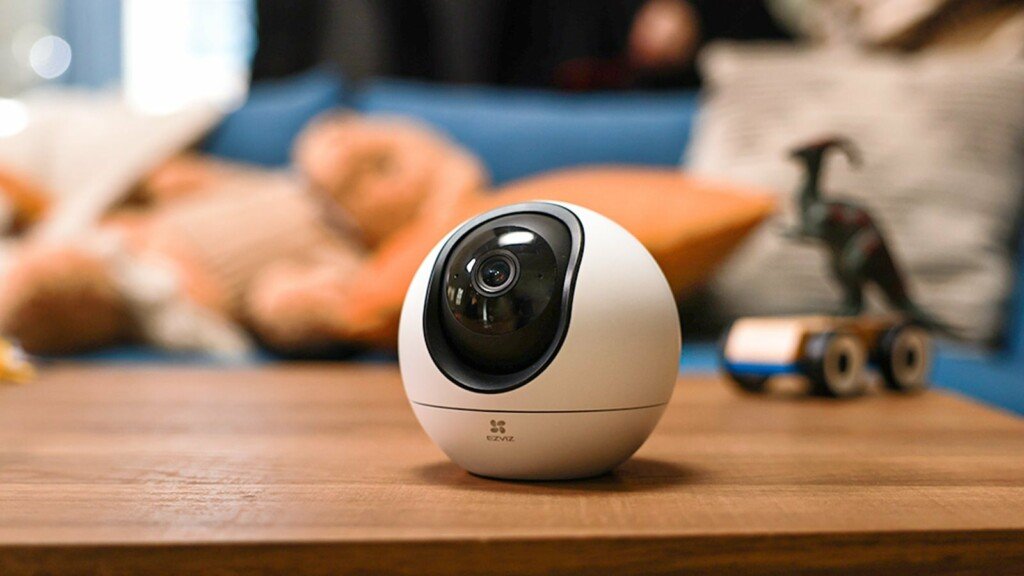
- Intelligent Cameras: AI-enabled cameras can distinguish between normal activity and potential emergencies, reducing false alarms and improving response times.
- Voice-Activated Assistants: Tools like Amazon Alexa or Google Assistant help with reminders, communication, and controlling other smart devices in the home.
- Environmental Sensors: These monitor temperature, air quality, and movement, ensuring the living space remains safe and comfortable.
- Medication Dispensers: Automated pill dispensers use AI to track adherence and remind users when it’s time to take their medicine.
How AI Automation Improves Daily Life for Seniors
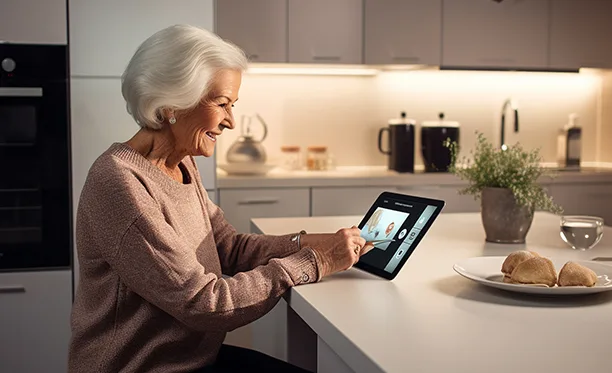
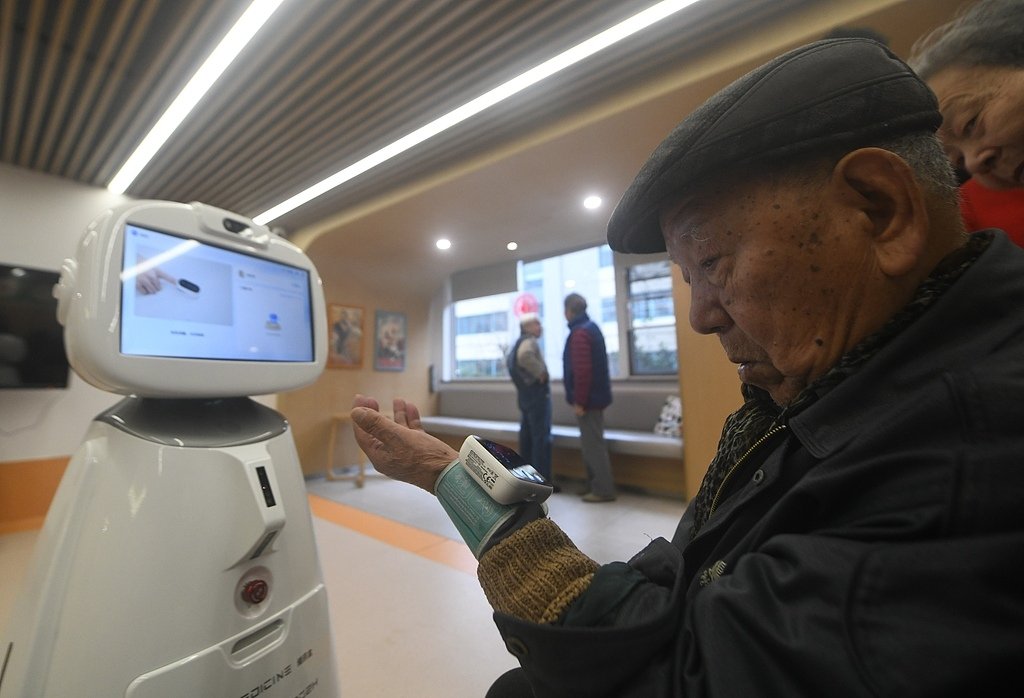
Integrating AI home care automation into daily routines offers practical improvements for both seniors and their families. Automated reminders help with medication management, while voice assistants make it easier to control lighting, thermostats, and entertainment systems. Smart cameras and sensors provide peace of mind by monitoring for accidents or unusual activity, allowing for swift intervention when needed.
Families can also use AI-powered platforms to check in remotely, ensuring their loved ones are safe and comfortable without being intrusive. This balance of independence and oversight is one of the most valued aspects of intelligent care solutions.
Challenges and Considerations When Adopting Smart Care Technologies
While the benefits are clear, there are important factors to consider before implementing automated systems in elderly homes:
- Privacy Concerns: Continuous monitoring can raise questions about data security and personal privacy. It’s crucial to choose devices with robust encryption and transparent data policies.
- Technology Adoption: Seniors may need support to learn and feel comfortable using new devices. Simple interfaces and clear instructions are essential.
- Cost and Accessibility: Some solutions can be expensive or require ongoing subscriptions. Evaluating the long-term value and exploring cost-effective options is important.
- Integration with Existing Care: Automated systems should complement, not replace, human interaction and professional medical support.
For more on integrating smart energy management into elderly-friendly homes, see AI energy management for elderly homes.
Future Trends in Automated Elderly Care
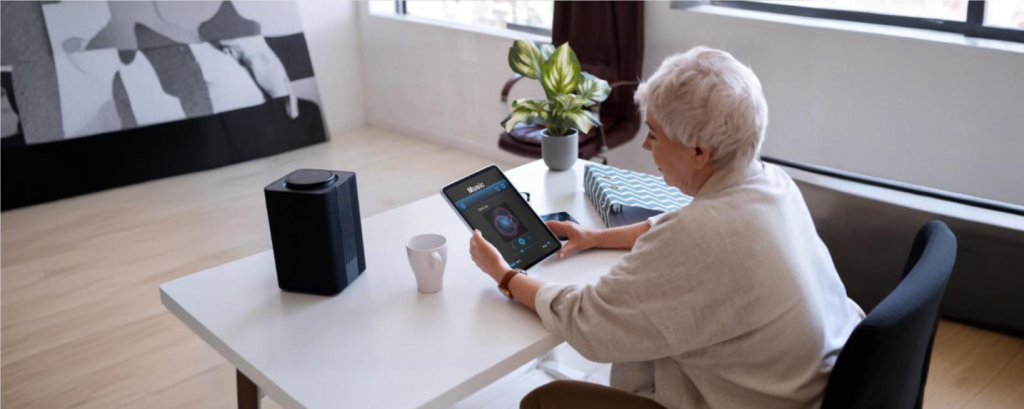
The future of AI home care automation is promising, with ongoing advancements in machine learning, sensor technology, and user experience. We can expect even more personalized care, predictive analytics for health risks, and seamless integration with healthcare providers. As these tools become more affordable and user-friendly, their adoption is likely to accelerate.
For families and caregivers, staying informed about the latest developments is key. Resources like this overview of artificial intelligence in geriatric health care offer valuable insights into the evolving landscape.
Additionally, solutions are emerging to help families monitor loved ones from a distance. Learn more about AI solutions for family caregiver monitoring to see how remote care is becoming more effective and accessible.
FAQ: AI and Automation in Elderly Home Care
How does AI improve safety for seniors living alone?
AI-powered devices can detect falls, monitor movement, and identify unusual patterns in daily routines. When emergencies or anomalies are detected, alerts are sent to caregivers or family members, enabling rapid response and reducing the risk of serious injury.
Are automated care solutions difficult for seniors to use?
Many modern systems are designed with user-friendly interfaces, voice controls, and simple setup processes. While some seniors may need initial assistance, most adapt quickly with proper support and training.
What privacy measures are in place for smart home care devices?
Leading manufacturers implement strong data encryption, secure cloud storage, and customizable privacy settings. It’s important to review each device’s privacy policy and choose products from reputable companies to ensure personal information remains protected.
Can AI automation replace human caregivers?
While automation can handle many routine tasks and provide valuable monitoring, it is meant to supplement—not replace—human care. Emotional support, companionship, and complex medical needs still require personal attention.
What are the main barriers to adopting AI in elderly care?
Common challenges include cost, technology literacy, privacy concerns, and integration with existing care routines. Addressing these barriers requires collaboration between families, caregivers, and technology providers.