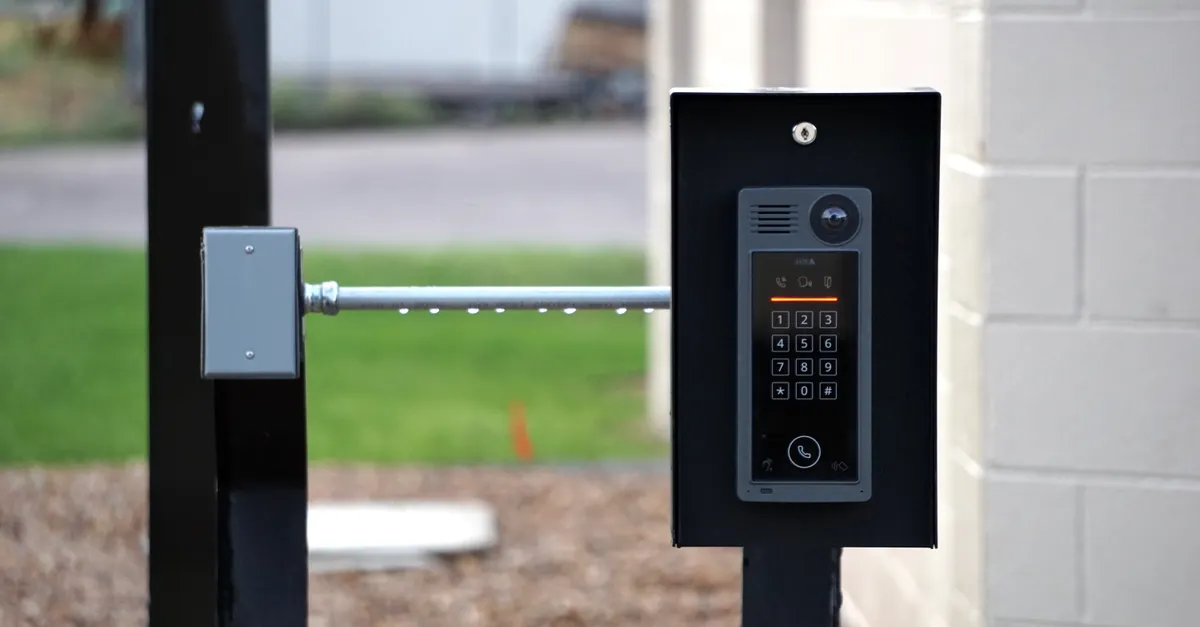
Artificial intelligence is rapidly transforming the way we protect our homes. Over the past few years, AI home security system technology trends have shifted from simple motion sensors and cameras to highly sophisticated, interconnected solutions. These new systems leverage machine learning, advanced analytics, and real-time data processing to provide smarter, more proactive protection. As technology continues to evolve, homeowners are gaining access to features that were once only available in high-security commercial environments. This article explores the most significant developments shaping the future of residential security, highlighting how AI is making homes safer and more responsive than ever before.
Key Innovations in AI-Powered Home Security
Modern security solutions are no longer limited to basic alarms and video feeds. The integration of artificial intelligence has introduced a range of advanced features that set today’s systems apart. Let’s examine some of the most impactful AI home security system technology trends driving change in the industry.
Smart Video Analytics and Object Recognition
One of the most notable advancements is the use of AI-powered video analytics. Unlike traditional cameras that simply record footage, these systems can distinguish between people, animals, vehicles, and even specific faces. This capability reduces false alarms and ensures that homeowners receive relevant notifications. For example, if a package is delivered or a familiar family member arrives, the system can recognize the event and respond accordingly. This level of intelligence is a major leap forward in both convenience and security.
Predictive Threat Detection and Proactive Alerts
Another emerging trend is the shift from reactive to proactive security. AI algorithms analyze patterns of behavior and environmental data to predict potential threats before they occur. For instance, if the system detects unusual activity around the property at odd hours, it can send a warning or activate deterrents such as lights or alarms. This predictive approach helps prevent incidents rather than just documenting them after the fact, giving homeowners greater peace of mind.
Seamless Integration with Smart Home Devices
Today’s AI-driven security platforms are designed to work hand-in-hand with other smart home technologies. Integration with lighting, door locks, thermostats, and voice assistants allows for automated routines and coordinated responses. For example, if a security breach is detected, the system can automatically lock all doors, turn on exterior lights, and notify the homeowner via their smartphone. This interconnected approach enhances both security and convenience, making it easier to manage the entire home environment from a single interface.
Privacy and Data Security Considerations
With the rise of AI in home security, concerns about privacy and data protection have also come to the forefront. As these systems collect and process large amounts of personal information, it’s essential to ensure that data is handled securely. Leading providers are implementing end-to-end encryption, secure cloud storage, and strict access controls to protect user data. Homeowners should also be aware of how their information is used and have the ability to manage privacy settings within their security platforms.
Voice and Biometric Authentication
Authentication methods are evolving alongside other AI home security system technology trends. Voice recognition and biometric identification, such as fingerprint or facial scanning, are becoming more common in residential systems. These methods offer a higher level of security compared to traditional PIN codes or key fobs, as they are much harder to replicate or steal. Biometric access can be used for unlocking doors, disarming alarms, or granting temporary access to guests, all while maintaining a detailed log of entries and exits.
Remote Monitoring and Real-Time Response
Remote access and monitoring have become standard features in modern security solutions. Homeowners can view live camera feeds, receive instant alerts, and control their systems from anywhere using a smartphone or tablet. AI enhances this experience by filtering out irrelevant notifications and prioritizing events that require immediate attention. Some platforms even offer integration with professional monitoring services, enabling rapid response from security personnel or emergency services when needed.
AI-Driven Automation for Enhanced Safety
Automation is a key benefit of integrating artificial intelligence into home security. Systems can learn daily routines and automatically adjust settings to maximize protection. For example, the system might arm itself when everyone leaves the house or disarm when a recognized family member returns. Automated lighting schedules, climate control, and even pet monitoring can all be managed through a unified AI platform, creating a seamless and secure living environment.
Applications Beyond Intrusion Detection
While preventing break-ins remains a top priority, AI is expanding the scope of home security to include other aspects of safety and wellness. For instance, some systems can detect smoke, carbon monoxide, or water leaks and alert homeowners instantly. Others offer features tailored to specific needs, such as monitoring for falls or unusual activity patterns in homes with elderly residents. For those interested in specialized solutions, exploring AI-powered home care options can provide added peace of mind for families with seniors or individuals requiring extra support.
Challenges and Future Directions
Despite the many benefits, there are still challenges to address as AI continues to shape the home security landscape. Ensuring interoperability between devices from different manufacturers, maintaining user privacy, and keeping systems updated against evolving cyber threats are ongoing concerns. As technology advances, we can expect to see even more personalized and adaptive security features, including improved anomaly detection, enhanced user interfaces, and greater integration with other aspects of smart home living.
Frequently Asked Questions
How does AI improve the accuracy of home security systems?
Artificial intelligence enhances accuracy by analyzing data from multiple sensors and cameras, distinguishing between real threats and harmless events. This reduces false alarms and ensures that homeowners are notified only when necessary.
Are AI-powered security systems difficult to install and use?
Most modern systems are designed for easy installation and user-friendly operation. Many offer guided setup via mobile apps and intuitive interfaces, making it simple for homeowners to customize settings and monitor their property remotely.
What should I look for when choosing an AI-driven home security solution?
Consider features such as advanced video analytics, integration with other smart devices, robust privacy protections, and reliable customer support. It’s also important to choose a system that receives regular software updates to stay ahead of emerging threats.