
Smart homes are evolving rapidly, and artificial intelligence is at the heart of this transformation. AI smart home analytics refers to the use of intelligent algorithms and data analysis to optimize everything from energy usage to security and comfort. By leveraging connected devices and advanced analytics, homeowners can gain deeper insights into their living environments, automate daily routines, and make smarter decisions for efficiency and safety.
As more households adopt connected devices, understanding how to harness the power of AI-driven analytics becomes essential. This article explores the fundamentals of intelligent home data analysis, its key benefits, and practical ways to integrate these technologies for a more responsive and efficient living space.
For those interested in the technical side of automation, our ai home automation programming basics article provides a solid foundation for understanding how these systems are built and customized.
Understanding Intelligent Home Data Analysis
At its core, AI smart home analytics involves collecting and interpreting data from various devices—such as thermostats, cameras, lighting, and appliances—to uncover patterns and enable automation. These systems use machine learning to adapt to user preferences, detect anomalies, and predict future needs.
Some of the most common data sources in a connected home include:
- Energy meters and smart plugs
- Environmental sensors (temperature, humidity, air quality)
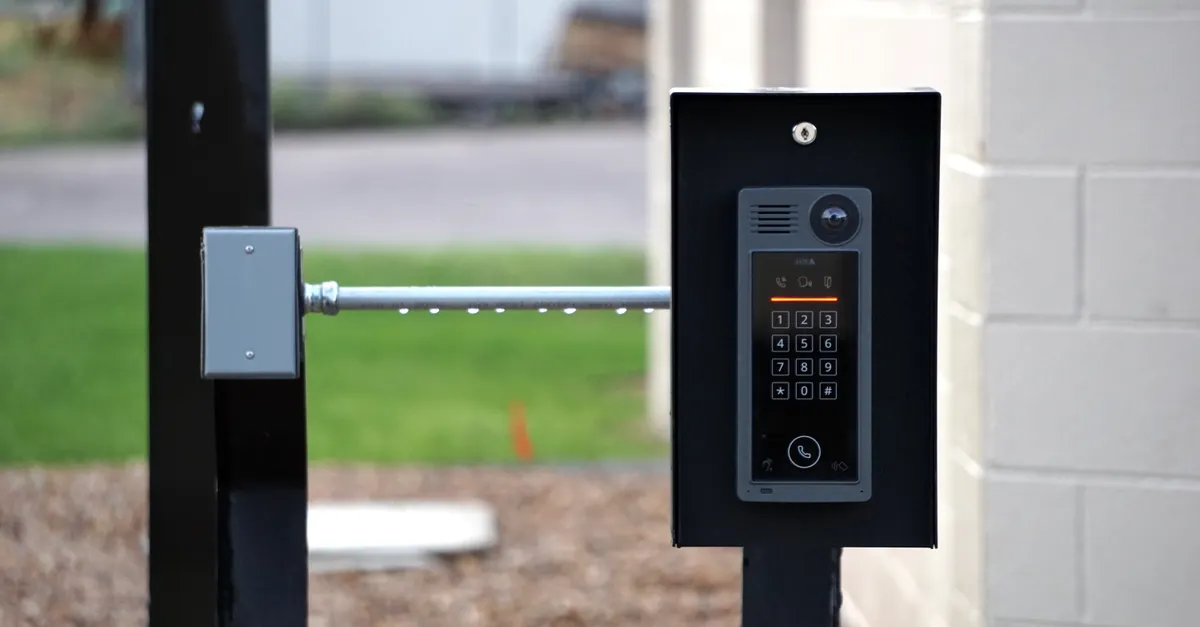
- Security cameras and motion detectors
- Voice assistants and smart speakers
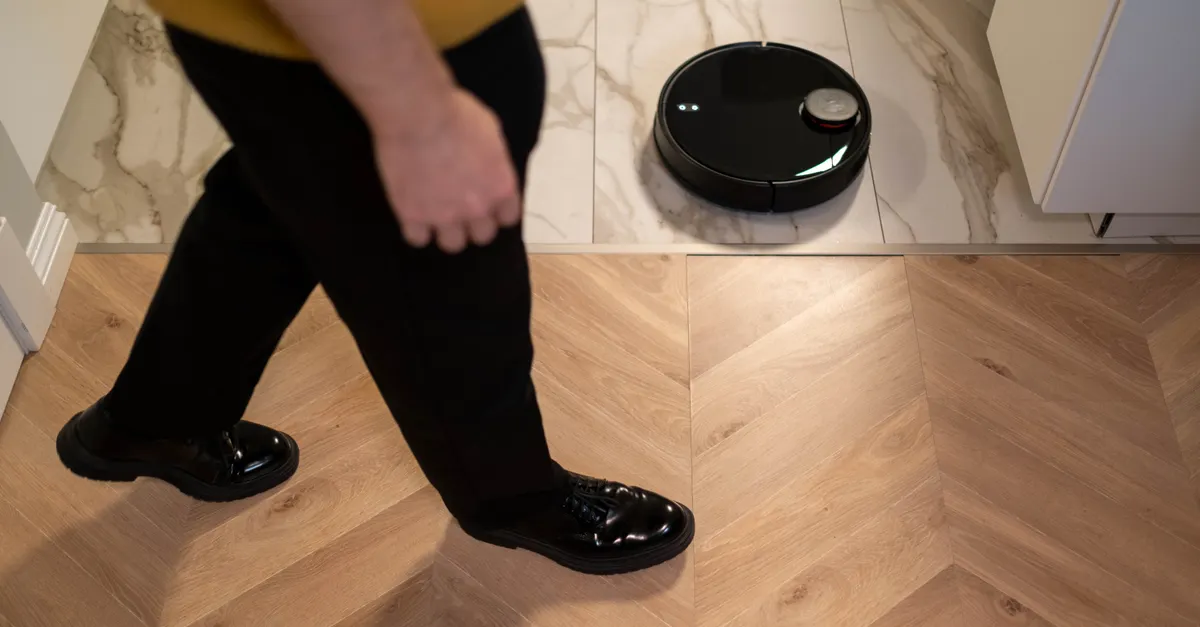
- Connected appliances (refrigerators, washing machines, ovens)
By analyzing this data, AI systems can optimize resource consumption, enhance security, and improve comfort. For example, a smart thermostat may learn your daily routine and adjust heating or cooling automatically, while security analytics can notify you of unusual activity when you’re away.
Key Benefits of AI-Driven Home Insights
Integrating advanced analytics into your living space offers several practical advantages:
- Energy Efficiency: Intelligent systems monitor usage patterns and suggest ways to reduce waste, lowering utility bills.
- Enhanced Security: AI-powered cameras and sensors can distinguish between normal and suspicious activity, reducing false alarms and improving response times.
- Personalized Comfort: Smart environments adapt lighting, temperature, and entertainment options based on your preferences and habits.
- Predictive Maintenance: Analytics can identify when appliances or systems need attention before they fail, minimizing downtime and costly repairs.
- Accessibility: Automated routines and voice controls make homes more accessible for people with disabilities or limited mobility.
For a deeper dive into how predictive modeling is shaping the future of home living, see our detailed guide on ai predictive analytics in smart homes.

How AI Analytics Work in Modern Homes
Modern home analytics platforms use a combination of sensors, cloud computing, and machine learning algorithms. Data is collected from devices throughout the home, then processed to identify trends, detect anomalies, and trigger automated actions.
For example, if a smart camera detects movement at an unusual hour, the system can send an alert to your phone or activate lights. Similarly, energy analytics might recommend running appliances during off-peak hours to save on electricity costs.
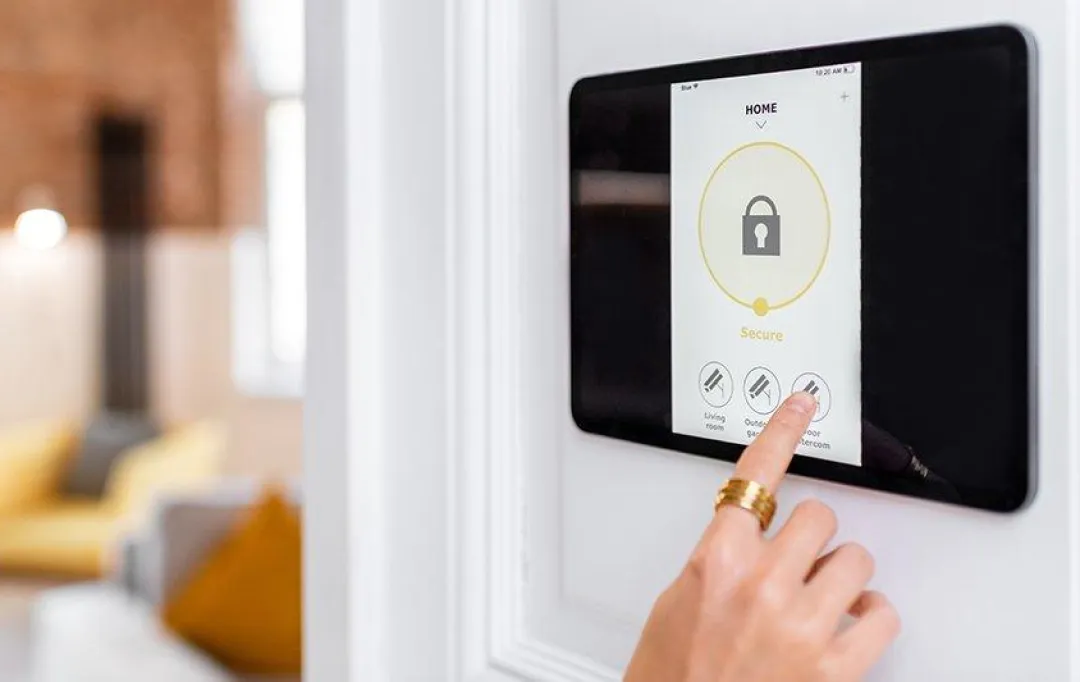
Many platforms offer dashboards that allow homeowners to visualize their data and customize automation rules. Over time, these systems become more accurate as they learn from user feedback and historical patterns.
To learn more about integrating AI into home energy management, check out our resource on ai home automation for energy storage.
Real-World Applications and Use Cases
Here are some practical examples of how intelligent analytics are being used in homes today:
- Security Automation: AI-powered video analytics can differentiate between family members, pets, and strangers, reducing unnecessary notifications.
- Energy Optimization: Smart plugs and meters track usage and provide actionable insights, helping homeowners adjust habits for maximum efficiency.
- Health Monitoring: Environmental sensors monitor air quality and humidity, alerting residents to potential issues and suggesting remedies.
- Disaster Prevention: Advanced analytics can detect water leaks, smoke, or unusual vibrations, triggering immediate responses to prevent damage. For more on this, see our article on ai smart home disaster management systems.
These applications are just the beginning. As technology matures, the possibilities for automation and insight will only expand.
Privacy and Security Considerations
While the benefits of intelligent home analytics are clear, privacy and data security remain top concerns. Since these systems collect sensitive information about daily routines and behaviors, it’s important to choose reputable providers and configure privacy settings carefully.
Look for platforms that offer end-to-end encryption, transparent data policies, and regular security updates. Homeowners should also be aware of who has access to their data and how it is used. For a comprehensive overview of how artificial intelligence integrates with connected homes, see this expert resource on AI and smart home integration.
Getting Started with AI-Powered Home Insights
If you’re new to this field, start by identifying your main goals—whether it’s saving energy, improving security, or enhancing comfort. Choose devices that are compatible with leading analytics platforms and prioritize those with strong privacy protections.
Begin with a few key devices, such as a smart thermostat or security camera, and gradually expand your system as you become more comfortable. Most platforms offer easy-to-use apps and dashboards for monitoring and customization.
For those interested in energy management, our article on ai battery management systems for homes covers how AI can optimize backup power and storage solutions.
FAQ
What types of data do AI home analytics systems use?
These systems typically gather information from sensors, smart appliances, cameras, and environmental monitors. Data points may include energy usage, temperature, humidity, motion, and device activity logs.
Are AI-powered analytics platforms secure?
Most reputable platforms use encryption and robust security protocols. However, it’s important for users to regularly update device firmware, use strong passwords, and review privacy settings to minimize risks.
Can I integrate analytics with existing smart home devices?
Many modern analytics solutions are compatible with popular smart home ecosystems. Check device compatibility before purchasing and look for platforms that support open standards for easier integration.
Conclusion
Adopting ai smart home analytics can transform your living space into a more efficient, secure, and comfortable environment. By understanding the basics, choosing the right devices, and prioritizing privacy, homeowners can unlock the full potential of intelligent automation and data-driven insights for everyday living.