
Creating a truly intelligent home environment goes beyond simple automation. With advances in AI-powered smart home scene creation, homeowners can orchestrate complex routines that adapt to their daily lives, preferences, and even unexpected events. This guide explores how to design, implement, and optimize AI-driven scenes that make your living space more comfortable, secure, and energy efficient.
Whether you’re just starting out or looking to enhance your existing setup, understanding the principles behind AI smart home scene creation will help you unlock the full potential of your connected devices. We’ll cover the fundamentals, walk through practical examples, and highlight the best tools and strategies for seamless integration.
For those interested in the technical side, learning the ai home automation programming basics can provide a solid foundation for building more advanced and customized scenes.
Understanding AI-Driven Smart Home Scenes
Traditional automation relies on fixed schedules or simple triggers. In contrast, AI-enhanced smart home scenes use data, context, and machine learning to anticipate needs and respond dynamically. A scene might involve adjusting lighting, temperature, security systems, and entertainment devices based on your habits, weather conditions, or even your mood.
For example, an AI-enabled morning routine could gradually raise the lights, start your coffee maker, and play your favorite news podcast as soon as your alarm goes off—without you lifting a finger. The system can learn your preferences over time, refining actions for greater comfort and efficiency.
Key Components of Scene Creation with AI
Building effective AI-powered scenes involves several core elements:
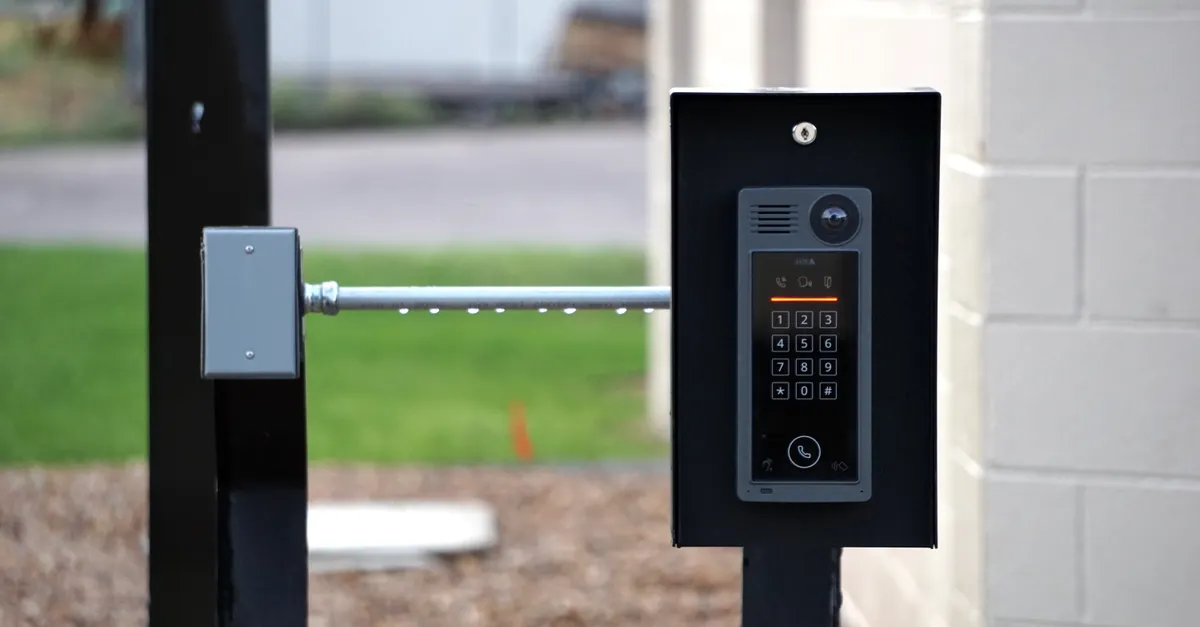
- Sensors and Inputs: Devices such as motion detectors, door/window sensors, cameras, and environmental monitors provide real-time data.
- AI Algorithms: These process sensor data, recognize patterns, and make predictions or decisions based on your routines and preferences.
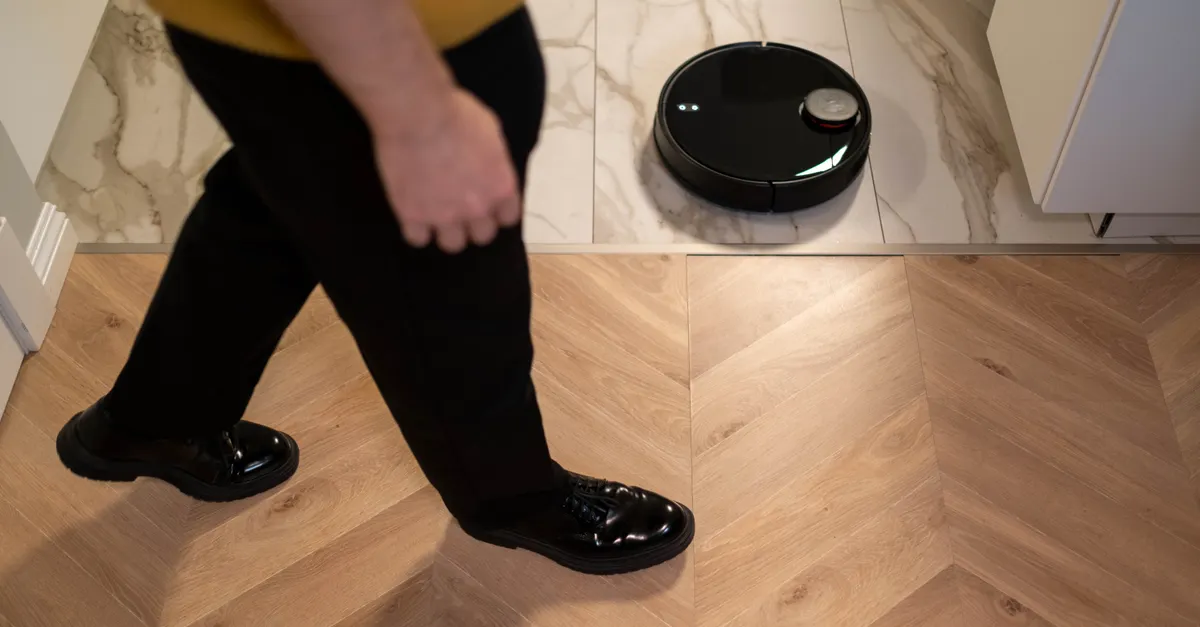
- Actuators and Devices: Smart lights, thermostats, locks, speakers, and appliances carry out the actions defined in each scene.
- Integration Platform: A central hub or cloud service coordinates communication between devices and manages the logic of each scene.
Choosing compatible devices and a robust platform is crucial for seamless operation. Many leading systems now offer built-in AI features, while others allow for custom scripting and third-party integrations.

How to Plan and Design AI-Powered Scenes
Effective scene creation starts with a clear understanding of your household’s routines and needs. Here’s a step-by-step approach:
- Identify Use Cases: List daily activities that could benefit from automation—waking up, leaving home, arriving, bedtime, movie nights, or entertaining guests.
- Map Devices and Sensors: Determine which devices are involved in each scenario and what data they can provide (e.g., occupancy, light levels, temperature).
- Define Triggers and Conditions: Decide what should initiate each scene (time, sensor input, voice command, or AI prediction).
- Set Actions: Specify what each device should do. For example, dim lights, lock doors, adjust shades, or play music.
- Leverage AI Features: Enable adaptive options, such as learning your preferred lighting for different times or adjusting heating based on weather forecasts.
- Test and Refine: Run scenes in real-life situations, monitor performance, and tweak settings as needed. Most platforms allow you to review logs or receive feedback to improve accuracy.
For advanced users, exploring ai predictive analytics in smart homes can help create even more responsive and proactive routines.
Popular AI Platforms and Tools for Scene Automation
Several platforms support AI-driven scene creation, each with its own strengths:
- Google Home and Nest: Uses machine learning to suggest routines and adapt to user behavior.
- Amazon Alexa: Offers routines with AI-based triggers and supports a wide range of third-party devices.
- Apple HomeKit: Integrates with Siri and supports automation based on location, time, and sensor input.
- Home Assistant: Open-source platform with extensive customization and AI integration options.
- SmartThings: Samsung’s platform supports both cloud and local automation with AI enhancements.
When choosing a platform, consider compatibility with your existing devices, privacy policies, and the ability to expand as your needs grow.
Advanced Tips for Smarter Scene Creation
To get the most from your AI-powered home, consider these strategies:
- Combine Multiple Data Sources: Use occupancy, weather, and even calendar data to make scenes more context-aware.
- Integrate Energy Management: Pair scene automation with ai home automation for energy storage to optimize power usage and reduce costs.
- Enhance Security: Create adaptive security scenes that respond to unusual activity, integrating with ai smart home disaster management systems for comprehensive protection.
- Utilize Voice and App Controls: Allow manual overrides and adjustments via voice assistants or mobile apps for flexibility.
- Stay Updated: Regularly update device firmware and platform software to access the latest AI features and security patches.
For more inspiration, check out this overview of AI-powered smart home automation devices and see how others are leveraging the technology.
Common Challenges and How to Overcome Them
While AI-driven scenes offer impressive capabilities, users may encounter a few hurdles:
- Device Compatibility: Not all devices work seamlessly together. Research supported platforms and consider using bridges or hubs if needed.
- Privacy Concerns: AI features often require cloud processing. Review privacy settings and opt for local processing where possible.
- False Triggers: AI predictions can sometimes misinterpret data. Fine-tune sensor placement and scene logic to minimize errors.
- Complexity: Advanced scenes may require some technical know-how. Start simple and gradually add features as you gain confidence.
For those interested in energy efficiency, integrating ai battery management systems for homes can further enhance your smart home’s sustainability.
FAQ
What is an AI-powered smart home scene?
An AI-powered smart home scene is a coordinated set of actions performed by connected devices, triggered by data and managed by artificial intelligence. Unlike basic automation, these scenes adapt to user behavior and environmental changes for a more personalized experience.
How do I get started with AI scene automation?
Begin by identifying daily routines you want to automate, ensure your devices are compatible with an AI-capable platform, and use built-in features or third-party integrations to create adaptive scenes. Start with simple routines and expand as you become more comfortable.
Can AI scenes help save energy?
Yes, AI-driven automation can optimize energy use by adjusting lighting, heating, and appliances based on occupancy, time of day, and even weather forecasts. Integrating energy storage and management systems can further enhance efficiency and reduce costs.
Are AI smart home scenes secure?
Security depends on device quality, platform updates, and privacy settings. Choose reputable brands, keep software updated, and review privacy options to ensure your data and home remain protected.
By following these guidelines and leveraging the latest advancements in AI smart home scene creation, you can create a living environment that is not only convenient but also responsive, secure, and energy efficient.