
Smart homes powered by artificial intelligence have transformed the way we interact with our living spaces. From voice-activated assistants to automated lighting and security systems, these technologies offer convenience, efficiency, and enhanced safety. However, as with any advanced system, issues can arise. This ai smart home troubleshooting guide is designed to help you quickly diagnose and resolve common problems, ensuring your connected home runs smoothly.
Whether you’re new to smart home technology or an experienced user, understanding how to identify and fix typical glitches can save time and reduce frustration. For those interested in the technical side of automation, exploring ai home automation programming basics can provide deeper insight into how these systems operate and how to optimize them.
Understanding Common AI Smart Home Issues
AI-powered devices rely on a combination of hardware, software, and network connectivity. When something goes wrong, it’s often due to one of these components. Here are some of the most frequent challenges users face:
- Connectivity problems – Devices may lose connection to Wi-Fi or fail to communicate with each other.
- Voice assistant errors – AI assistants might not respond, misunderstand commands, or fail to execute routines.
- Automation failures – Scheduled tasks or automated scenes may not trigger as expected.
- Integration issues – Devices from different brands may not work together seamlessly.
- Software bugs – Updates or glitches in the app can cause unexpected behavior.
Recognizing these patterns is the first step toward effective troubleshooting.
Step-By-Step Solutions for Connectivity and Network Problems
Network issues are a leading cause of smart home malfunctions. If your devices are offline or unresponsive, follow these steps:
- Check your Wi-Fi router. Ensure it’s powered on and broadcasting. Reboot if necessary.
- Verify device placement. AI gadgets should be within range of your router. Thick walls and interference from other electronics can weaken signals.
- Restart affected devices. Power cycling can often restore connectivity.
- Update firmware. Manufacturers regularly release updates to fix bugs and improve performance.
- Review your network settings. Make sure your devices are connected to the correct network and that your router isn’t blocking them.
If you’re using advanced energy management, consider reading about ai battery management systems for homes to optimize your setup and avoid power-related disruptions.

Voice Assistant and Automation Troubleshooting
AI assistants are central to most smart homes, but they can occasionally misinterpret commands or fail to respond. Here’s how to address these issues:
- Check microphone and speaker functionality. Make sure nothing is blocking the microphone and that the device isn’t muted.
- Review command phrasing. Use clear, specific language. Some assistants require exact phrases to trigger routines.
- Update your app and device firmware. Outdated software can cause compatibility problems.
- Re-link services. If your assistant can’t control certain devices, try disconnecting and reconnecting the integration in the app.
- Reset routines. Delete and recreate any automations that aren’t working as intended.
For more advanced automation, learning about ai home automation for energy storage can help you create more reliable and efficient routines.
Device Integration and Compatibility Challenges
One of the strengths of AI-powered homes is the ability to connect devices from various brands. However, integration isn’t always seamless. To resolve compatibility issues:
- Check supported platforms. Ensure all devices are compatible with your chosen ecosystem (such as Google Home, Amazon Alexa, or Apple HomeKit).
- Use official apps and hubs. Third-party apps may not support all features or updates.
- Update all devices. Keeping everything up to date minimizes bugs and improves interoperability.
- Consult user forums. Other users may have found workarounds for specific device combinations.
Staying informed about ai smart home regulatory compliance can also help ensure your setup meets legal and safety standards, especially when integrating new products.
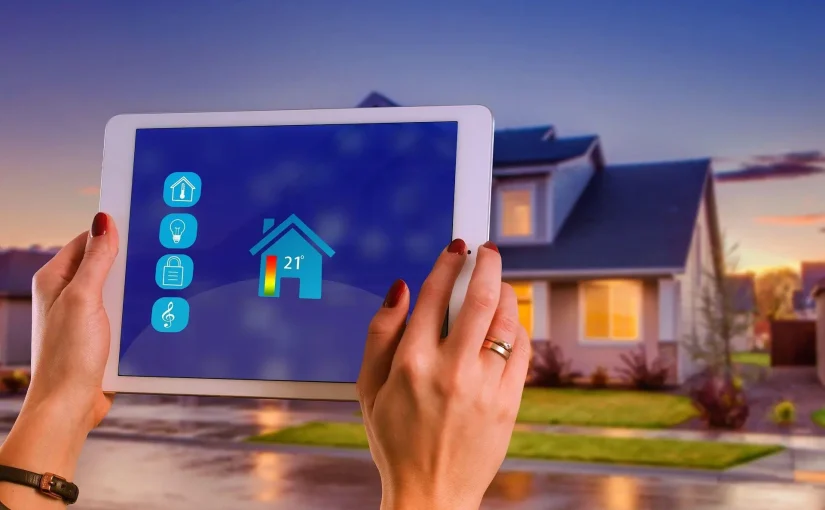
Advanced Troubleshooting for AI-Driven Smart Homes
For users with complex setups, advanced troubleshooting may be required. Here are some additional strategies:
- Monitor device logs. Many smart home hubs and apps offer logs that can reveal error messages or failed commands.
- Segment your network. Using a dedicated Wi-Fi network for smart devices can reduce interference and improve reliability.
- Factory reset as a last resort. If a device is persistently malfunctioning, a full reset may resolve deep-seated software issues. Always back up settings first.
- Consult manufacturer support. If problems persist, reach out to the device maker for guidance.
To stay ahead of potential issues, consider leveraging ai predictive analytics in smart homes for proactive maintenance and optimization.
Best Practices for Preventing Future Problems
Prevention is often easier than troubleshooting. Here are some tips to keep your AI-powered home running smoothly:
- Regularly update all devices and apps to ensure you have the latest security patches and features.
- Document your setup – Keep track of device models, network settings, and automation routines for easier troubleshooting.
- Schedule periodic reboots of your router and smart home hub to clear temporary glitches.
- Review privacy and security settings to protect your data and devices from unauthorized access.
For more insights on how artificial intelligence is shaping the future of home automation, check out this in-depth look at how AI is transforming smart homes.
FAQ: AI Smart Home Troubleshooting
What should I do if my smart home devices keep disconnecting?
Start by checking your Wi-Fi signal strength and ensuring your router is functioning properly. Move devices closer to the router if possible, and reduce interference from other electronics. Updating firmware and restarting both the router and devices can also help restore stable connections.
Why isn’t my voice assistant responding to commands?
Make sure the device is powered on, not muted, and connected to the internet. Try rephrasing your command or checking for software updates. If the issue persists, unlink and relink the device in your smart home app.
How can I fix automation routines that aren’t working?
Review the routine’s settings in your app to ensure triggers and actions are correctly configured. Delete and recreate the routine if necessary. Also, check for device compatibility and ensure all involved devices are online and updated.