As the global population ages, creating safer and more comfortable living environments for seniors is becoming increasingly important. AI smart lighting for elderly residents is a rapidly growing field that combines artificial intelligence with advanced lighting technology to address the unique needs of older adults. These intelligent systems can help prevent accidents, support daily routines, and even improve overall well-being by adapting to users’ habits and health conditions.
In this article, we’ll explore how artificial intelligence is transforming lighting in senior living spaces, the benefits of these solutions, and what to consider when choosing or implementing them. For those interested in broader home automation, related technologies such as AI energy management for elderly homes are also making significant strides in enhancing independence and safety.
How Artificial Intelligence Enhances Lighting for Seniors
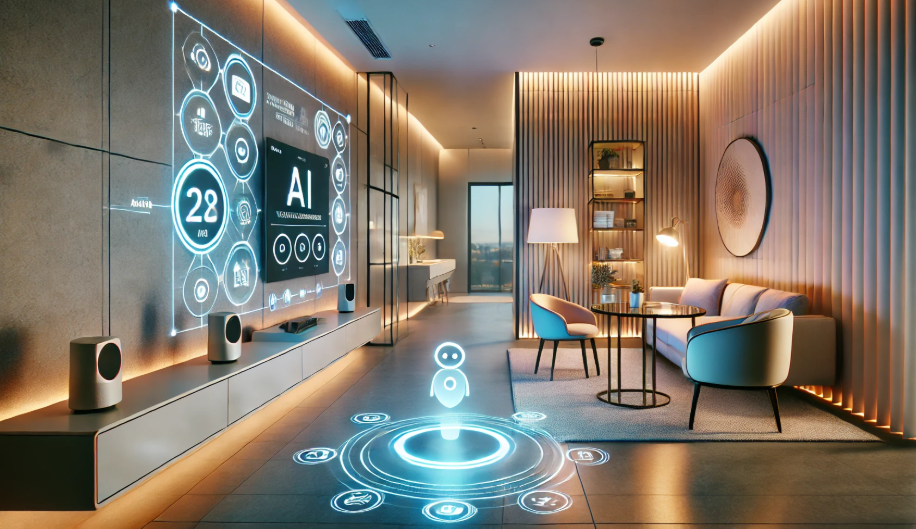
Traditional lighting systems in homes often require manual operation and lack adaptability. In contrast, AI-powered lighting for elderly care uses sensors, data analytics, and machine learning to create a responsive environment. These systems can automatically adjust brightness, color temperature, and on/off schedules based on the time of day, room occupancy, or even the resident’s activity patterns.
For example, motion sensors can detect when a senior gets out of bed at night and gently illuminate pathways to prevent falls. AI algorithms learn daily routines, ensuring that lights are always at optimal levels for reading, eating, or relaxing. Over time, these systems can even identify changes in behavior that might indicate health issues, alerting caregivers or family members when necessary.
Key Benefits of AI Smart Lighting for Elderly Residents
The advantages of integrating AI smart lighting for elderly individuals go beyond simple convenience. Here are some of the most impactful benefits:
- Fall Prevention: Automated lighting reduces the risk of tripping or stumbling in poorly lit areas, especially during nighttime movements.
- Routine Support: Lights can be programmed to align with medication schedules, meal times, or exercise routines, providing gentle reminders and structure.
- Improved Sleep Quality: AI systems can adjust color temperature and brightness to support natural circadian rhythms, helping seniors sleep better.
- Energy Efficiency: Intelligent lighting only operates when needed, minimizing energy waste and lowering utility bills.
- Remote Monitoring: Caregivers and family members can monitor lighting usage and receive alerts about unusual activity, supporting independent living while ensuring safety.
Popular Features in Modern AI Lighting Systems
Today’s smart lighting solutions for seniors offer a range of features designed to enhance comfort and safety:
- Voice Control: Integration with voice assistants allows users to adjust lighting without needing to physically interact with switches.
- Adaptive Scheduling: AI learns and adapts to changing routines, automatically updating lighting schedules as needed.
- Health Integration: Some systems connect with wearable devices or health apps, adjusting lighting based on sleep patterns or activity levels.
- Emergency Response: In the event of a fall or medical emergency, lights can flash or change color to alert caregivers or emergency personnel.

Choosing the Right Smart Lighting for Senior Living
Selecting the best system involves considering the specific needs of the resident and the layout of the home. Here are some tips for making the right choice:
- Assess Mobility and Vision: Choose systems with easy-to-use controls and clear visual cues for those with limited mobility or vision impairments.
- Prioritize Simplicity: Look for solutions that are easy to install and require minimal maintenance, reducing the burden on both seniors and caregivers.
- Check Compatibility: Ensure the system integrates smoothly with other smart home devices, such as security cameras or health monitors.
- Review Support Options: Opt for products with reliable customer support and clear documentation, especially if remote troubleshooting is needed.
For those interested in a holistic approach to senior care, integrating lighting with other AI-driven technologies—such as AI mobility monitoring for elderly independence or AI activity tracking for seniors—can further enhance safety and quality of life.
How AI Lighting Supports Health and Well-Being
The impact of AI smart lighting for elderly care extends beyond convenience and safety. Proper lighting has been linked to improved mood, better cognitive function, and reduced risk of depression among older adults. By automatically adjusting to natural light cycles and personal habits, these systems help maintain a healthy environment that supports both physical and mental health.
According to recent research highlighted in this overview of artificial intelligence in geriatric health care, smart home technologies are playing a crucial role in supporting aging in place and reducing the need for institutional care.

Integrating AI Lighting with Other Elderly Care Technologies
Smart lighting is most effective when combined with other assistive technologies. For example, pairing lighting with AI facial recognition for elderly safety can provide additional security, while integrating with AI-powered physical therapy tools can support rehabilitation and daily exercise.
These integrated systems can share data, allowing for a more holistic understanding of a resident’s habits and needs. This not only enhances safety but also empowers seniors to maintain independence for longer.
Frequently Asked Questions
What makes AI-powered lighting different from regular smart bulbs?
While standard smart bulbs offer features like remote control and scheduling, AI-powered systems use sensors and learning algorithms to adapt automatically to the user’s habits, health, and environment. This results in a more personalized and proactive approach to lighting, especially beneficial for seniors.
Can these systems be installed in existing homes, or are they only for new builds?
Most modern AI lighting solutions are designed for easy installation in existing homes. Many use wireless sensors and smart bulbs that require minimal wiring changes, making them accessible for retrofitting older properties.
Are AI smart lighting systems secure and private?
Security and privacy are top priorities for reputable providers. Look for systems that use encrypted data transmission and offer clear privacy policies. It’s also important to regularly update software and use strong passwords to protect against unauthorized access.
How do I choose the best AI lighting system for my needs?
Consider the resident’s mobility, vision, and comfort with technology. Choose a system that offers the right balance of automation, manual control, and integration with other smart devices. Reading reviews and consulting with professionals can also help ensure the best fit.
Conclusion
The adoption of AI smart lighting for elderly care is transforming how we support seniors in their homes. By providing adaptive, intuitive, and safe lighting environments, these systems help older adults maintain independence and improve their quality of life. As part of a broader ecosystem of smart home technologies, AI-powered lighting is a practical step toward safer, healthier, and more comfortable living for seniors and their families.