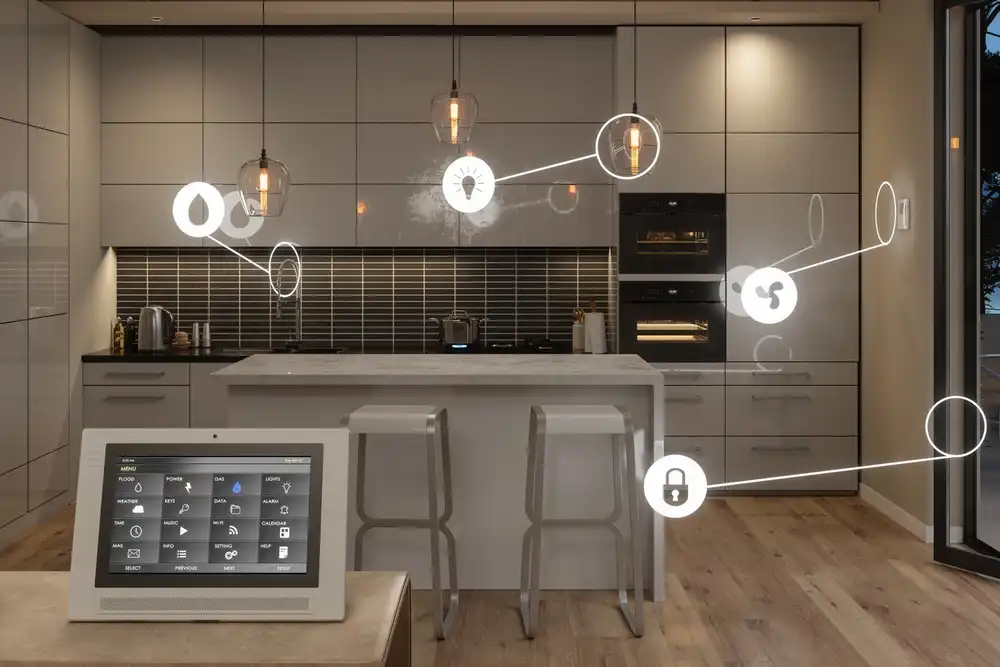
The rise of AI-powered home devices has transformed daily living, offering automation, convenience, and energy savings. But for many homeowners and renters, one of the first questions is whether these smart gadgets are simple to set up. The answer depends on the type of device, your comfort with technology, and the specific features you want to use. This guide explores the installation process for popular AI home gadgets, highlights what to expect, and provides practical tips to make setup as smooth as possible.
Whether you’re considering a smart thermostat, leak detector, or voice assistant, understanding the installation steps can help you decide which devices fit your needs. For those interested in how these technologies can impact daily life, you might also want to read about what AI devices help reduce electricity bills for further insights.
Understanding the Basics of Smart Device Installation
Most modern AI gadgets for the home are designed with user-friendliness in mind. Manufacturers know that not everyone is a tech expert, so they provide clear instructions, companion apps, and even video tutorials. The installation process generally falls into two categories: plug-and-play devices and those requiring some physical setup.
- Plug-and-Play Devices: These include smart speakers, AI assistants, and some sensors. Usually, you only need to plug them in, connect to Wi-Fi, and follow prompts in a mobile app.
- Devices Requiring Physical Setup: Examples are smart thermostats, leak detectors, or security cameras. These may involve mounting hardware, wiring, or replacing existing fixtures.
For a deeper look at how AI can help in other areas of the home, check out can AI gadgets help reduce food waste.
Step-by-Step: Setting Up Popular AI Home Gadgets
The installation experience varies by product, but most follow a similar pattern. Below, we break down the typical steps for three common types of AI-powered home technology.
Smart Thermostats: Installation and Setup
Smart thermostats are among the most popular AI devices for energy management. Many users find the process straightforward, especially with models that include step-by-step guides.
- Turn Off Power: Safety first—always switch off the power to your HVAC system before starting.
- Remove Old Thermostat: Carefully detach your existing thermostat, noting how wires are connected.
- Install New Base Plate: Mount the new base plate and connect the wires as directed.
- Attach Thermostat and Power On: Snap the new device into place, restore power, and follow the on-screen or app instructions to complete setup.
Most brands provide compatibility checkers and wiring diagrams. If you’re unsure, professional installation is always an option.
Leak Detectors: Quick and Simple Placement
AI-driven leak detectors are designed for easy setup. Most are battery-powered and require no tools.
- Download the App: Start by installing the manufacturer’s app on your smartphone.
- Activate the Device: Insert batteries and power on the leak detector.
- Pair with Wi-Fi: Use the app to connect the device to your home network.
- Place the Detector: Position the sensor near toilets, sinks, or appliances where leaks are likely.
Notifications and monitoring features are usually available immediately after setup, making these devices a low-effort way to protect your home.
Smart Speakers and Voice Assistants: Plug, Connect, and Go
Devices like smart speakers and AI voice assistants are among the easiest to install. Most require only a power outlet and a Wi-Fi connection.
- Plug in the Device: Connect the speaker to a power source.
- Download the App: Use your phone to install the companion app.
- Connect to Wi-Fi: Follow prompts to join your home network.
- Customize Settings: Set up voice profiles, routines, and link compatible smart home devices.
Within minutes, you can start using voice commands to control lights, play music, or get information.
Common Challenges and Troubleshooting Tips
While most AI gadgets are designed for straightforward installation, some users encounter hiccups. Here are a few common issues and how to address them:
- Wi-Fi Connectivity Problems: Ensure your router is compatible and your signal is strong where the device will be used.
- App Pairing Issues: Restart your phone and device, and double-check that Bluetooth and location services are enabled.
- Compatibility Concerns: Some products require specific wiring or may not work with older systems. Always check compatibility before purchase.
- Firmware Updates: Allow time for initial updates after setup, as these can improve performance and security.
If you want to learn more about how AI can help manage your home’s temperature, see what AI gadgets monitor home temperature.
How to Choose the Right AI Device for Your Home
Selecting the best smart gadget involves more than just ease of installation. Consider the following:
- Compatibility: Make sure the device works with your existing smart home ecosystem (Alexa, Google Home, Apple HomeKit, etc.).
- Features: Look for automation, scheduling, and AI-powered insights that match your lifestyle.
- Support and Updates: Choose brands with good customer support and a track record of regular software updates.
- Installation Requirements: If you prefer minimal setup, opt for plug-and-play models.
For a broader overview of the latest smart home devices, you can browse a list of top AI-powered home devices for modern living.
Benefits of DIY Installation for AI Home Devices
Many homeowners appreciate the ability to install smart gadgets themselves. The main advantages include:
- Cost Savings: Avoid professional installation fees.
- Immediate Use: Set up and start using your device without waiting for an appointment.
- Learning Opportunity: Gain confidence in managing your home technology.
- Flexibility: Move or adjust devices as your needs change.
However, if you encounter wiring or compatibility issues, don’t hesitate to seek professional help.
FAQ
Do I Need Technical Skills to Set Up AI Home Gadgets?
Most modern smart devices are designed for users with little to no technical background. Clear instructions, video guides, and user-friendly apps make the process accessible. For more complex installations, such as those involving wiring, basic DIY skills are helpful but not always required.
Can I Integrate Multiple AI Devices from Different Brands?
Many AI home gadgets are compatible with major smart home platforms, allowing integration across brands. Always check compatibility with your preferred ecosystem before purchasing. Using a central hub or app can make managing multiple devices easier.
What Should I Do If My Device Won’t Connect to Wi-Fi?
First, ensure your Wi-Fi network is working and supports the device’s requirements (such as 2.4GHz vs. 5GHz). Restart your router, device, and phone. If problems persist, consult the manufacturer’s troubleshooting guide or customer support.
Are There AI Gadgets That Help Track Food or Reduce Waste?
Yes, there are smart fridges and kitchen gadgets that use AI to monitor food freshness and suggest recipes. For more details, see how does an AI fridge track food.
How Often Should I Update My Smart Devices?
It’s recommended to keep your gadgets updated with the latest firmware. Updates often include security patches and new features. Most devices will notify you when an update is available.