The rapid advancement of artificial intelligence is transforming how we interact with our living spaces. By combining AI-powered home automation with wearable technology, households can achieve a new level of convenience, personalization, and security. This guide explores how integrating smart wearables with intelligent home systems is reshaping daily routines and what it means for the future of connected living.
As more devices become interconnected, the synergy between wearables—such as smartwatches, fitness trackers, and health monitors—and home automation platforms is unlocking practical benefits. From automating lighting and temperature based on your activity to enhancing safety and energy efficiency, the possibilities are expanding rapidly. For those interested in the technical and practical aspects, understanding the challenges and best practices is crucial. You can also explore related topics like ai smart home implementation challenges to gain a broader perspective on deploying these solutions effectively.
How Wearables Connect with Smart Home Systems
Wearable devices are no longer limited to tracking steps or monitoring heart rates. When paired with AI-driven home automation platforms, they become powerful tools for seamless control and personalization. These integrations typically rely on wireless protocols such as Bluetooth, Wi-Fi, or Zigbee, allowing wearables to communicate directly with home hubs, smart speakers, or cloud-based services.
For example, a smartwatch can detect when you’re approaching your front door and trigger your smart lock to open, adjust the thermostat, and turn on preferred lighting scenes. Similarly, fitness trackers can share sleep or activity data with your home system, enabling it to optimize bedroom temperature or lighting for better rest and recovery.
Integration is often achieved through companion apps or cloud services that bridge the data from wearables to home automation platforms. Some systems use AI to analyze behavioral patterns, learning your routines and preferences to automate actions proactively.
Key Benefits of AI-Driven Wearable Integration
Combining wearables with intelligent home systems offers a range of advantages that go beyond basic convenience. Here are some of the most impactful benefits:
- Personalized Automation: AI can learn from your wearable’s data—such as activity levels, location, or sleep cycles—to tailor home settings in real time.
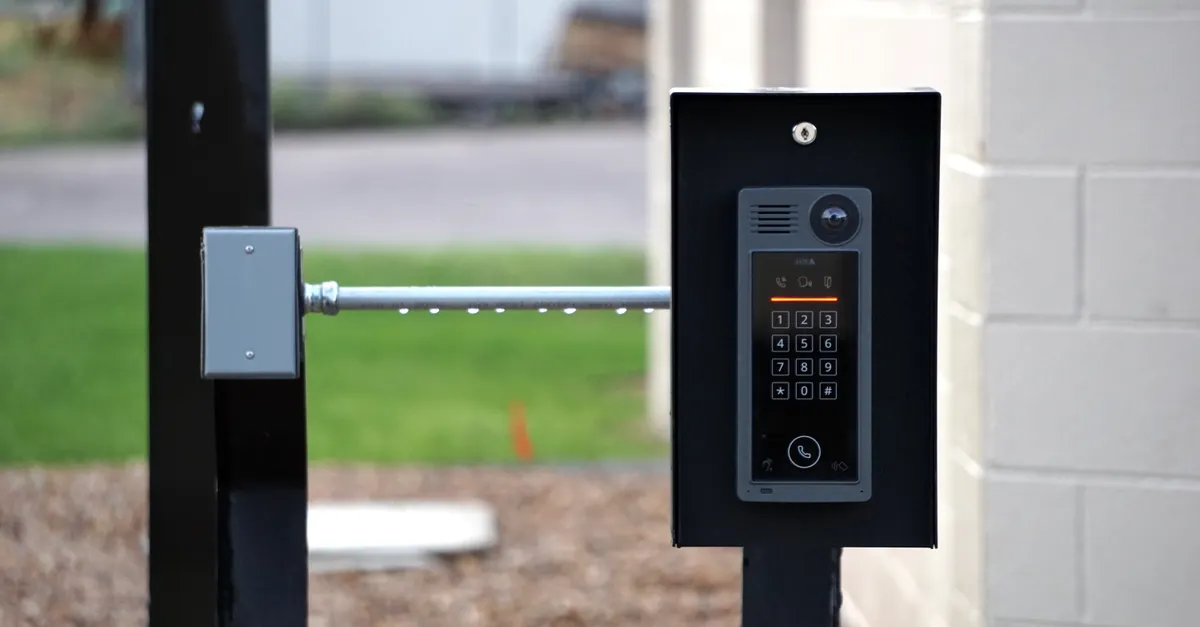
- Enhanced Security: Biometric authentication from wearables can be used to unlock doors or disarm alarms, reducing reliance on traditional keys or codes.
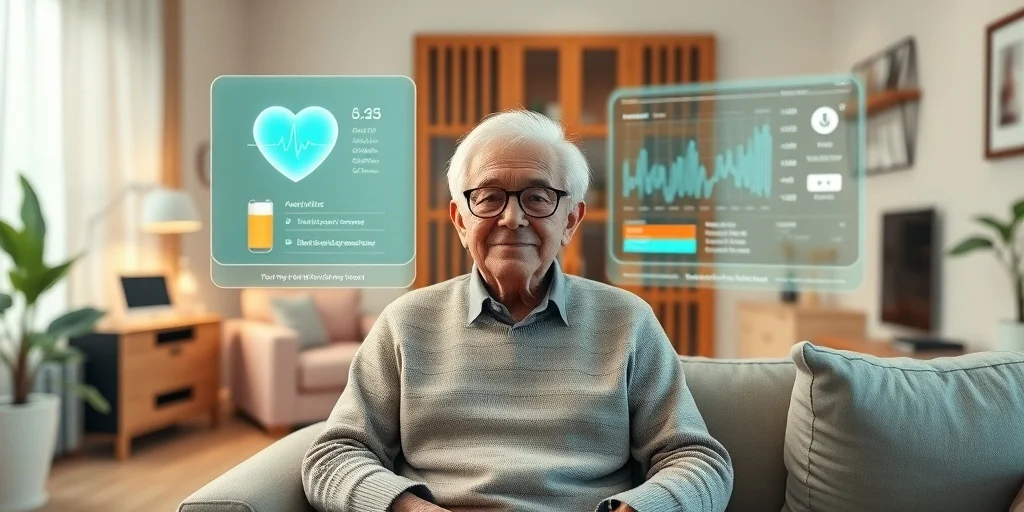
- Health and Wellness Monitoring: Smart homes can respond to health data, such as adjusting air quality or lighting based on your stress or sleep metrics.
- Energy Efficiency: By tracking when you’re home or away, systems can optimize heating, cooling, and lighting, lowering energy consumption.
- Hands-Free Control: Voice assistants and gesture recognition via wearables provide intuitive ways to interact with home devices.
These benefits are especially valuable for those seeking to create a responsive, adaptive living environment that supports well-being and sustainability.
Popular Use Cases for Smart Wearable Integration
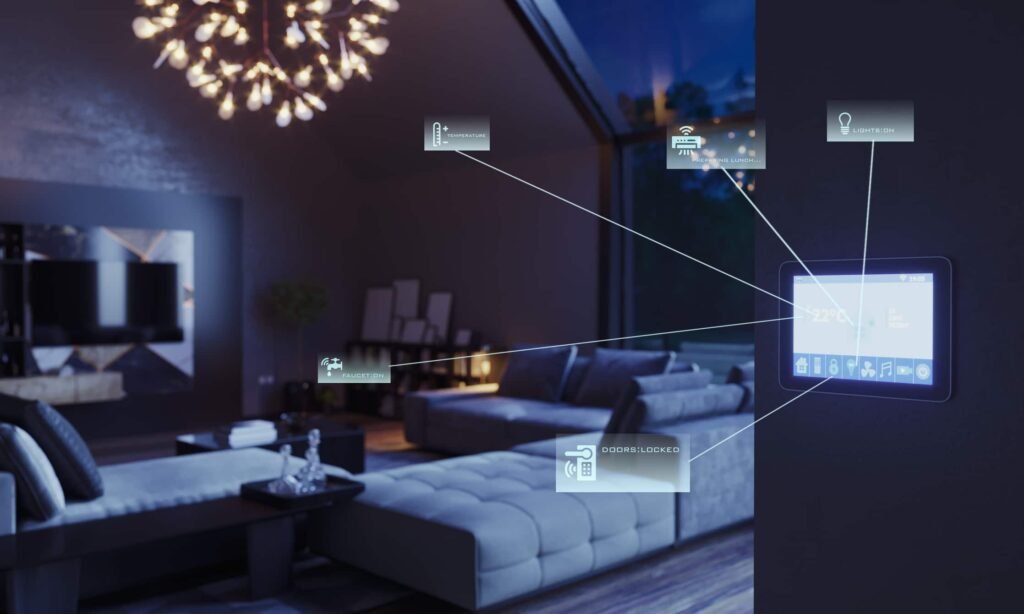
Integrating wearables with AI-powered home systems unlocks a variety of practical applications. Here are some of the most common scenarios:
- Automated Entry and Exit: Your smart home can recognize your wearable and automatically unlock doors, disarm alarms, or adjust lighting as you arrive or leave.
- Health-Responsive Environments: If your wearable detects elevated stress or poor sleep, your home can respond by dimming lights, playing calming music, or adjusting the thermostat for comfort.
- Fitness-Driven Routines: After a workout, your home can prepare a recovery environment—adjusting shower temperature, starting a blender, or playing motivational playlists.
- Safety Alerts: Wearables with fall detection or emergency buttons can trigger alerts to family members or emergency services, with the home system unlocking doors for responders if needed.
These scenarios highlight how AI and wearables are working together to create environments that adapt to users’ needs and preferences in real time.

Challenges and Considerations in AI Home Automation with Wearables
While the benefits are clear, integrating wearables with smart home systems also presents several challenges:
- Data Privacy and Security: Sensitive health and location data must be protected. Look for platforms with strong encryption and transparent privacy policies.
- Device Compatibility: Not all wearables and home automation platforms are interoperable. Check for compatibility with your preferred ecosystem before investing.
- Battery Life: Continuous communication between wearables and home systems can drain batteries faster. Optimize settings for balance between responsiveness and longevity.
- AI Learning Curve: AI-driven automation may require a period of learning your habits. Be patient and provide feedback through app settings to fine-tune behaviors.
For a deeper dive into overcoming these hurdles, you may want to review resources like ai smart home security best practices or explore ai battery management systems for homes for optimizing device performance.
Future Trends in Smart Home and Wearable Integration
The landscape for connected living is evolving quickly. Here are some trends shaping the next phase of AI-powered home automation and wearable technology:
- Context-Aware Automation: AI will increasingly use data from multiple wearables and sensors to make more nuanced decisions, such as adjusting settings based on group activities or individual health needs.
- Voice and Gesture Control: Wearables with advanced microphones and motion sensors will enable more natural, hands-free control of home devices.
- Expanded Health Applications: Integration with medical-grade wearables could allow homes to support aging in place, monitor chronic conditions, and alert caregivers as needed.
- Open Ecosystems: Industry standards are emerging to improve interoperability, making it easier to mix and match devices from different brands.
For a glimpse into how these technologies are already impacting daily life, see this overview of AI-enabled smart home solutions that highlights real-world applications and benefits.
Students and hobbyists interested in exploring these trends further can find inspiration in resources like ai smart home project ideas or consult the ai smart home research topics guide for research directions.
FAQ
How do wearables communicate with smart home devices?
Most wearables connect to home automation systems using wireless technologies such as Bluetooth, Wi-Fi, or Zigbee. Integration is typically managed through companion apps or cloud services, which allow the wearable to send data and receive commands from the home system. AI algorithms then interpret this data to automate actions based on user preferences and routines.
What are the main privacy concerns with integrating wearables and home automation?
Privacy concerns center around the collection and use of sensitive data, including health metrics, location, and behavioral patterns. It’s important to choose platforms that offer robust encryption, clear privacy policies, and user controls for data sharing. Regularly updating device firmware and using strong authentication methods can further enhance security.
Can I use any wearable with my smart home system?
Compatibility depends on the brands and platforms involved. Some wearables are designed to work seamlessly with specific home automation ecosystems, while others may require third-party apps or additional configuration. Always check compatibility lists and look for industry-standard protocols to ensure smooth integration.