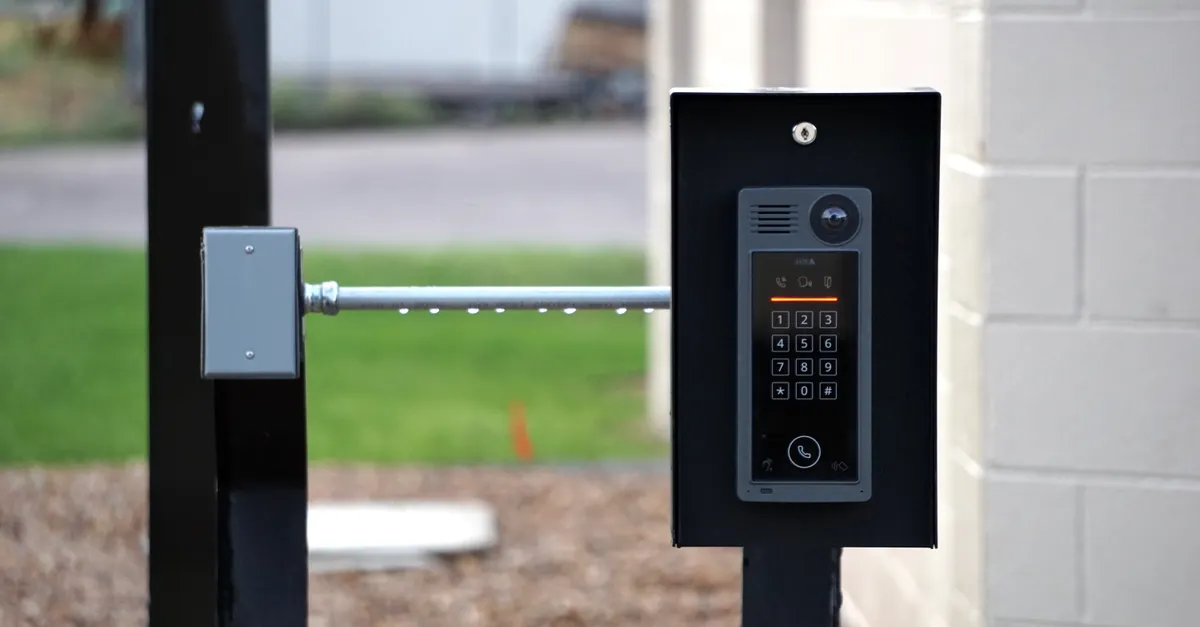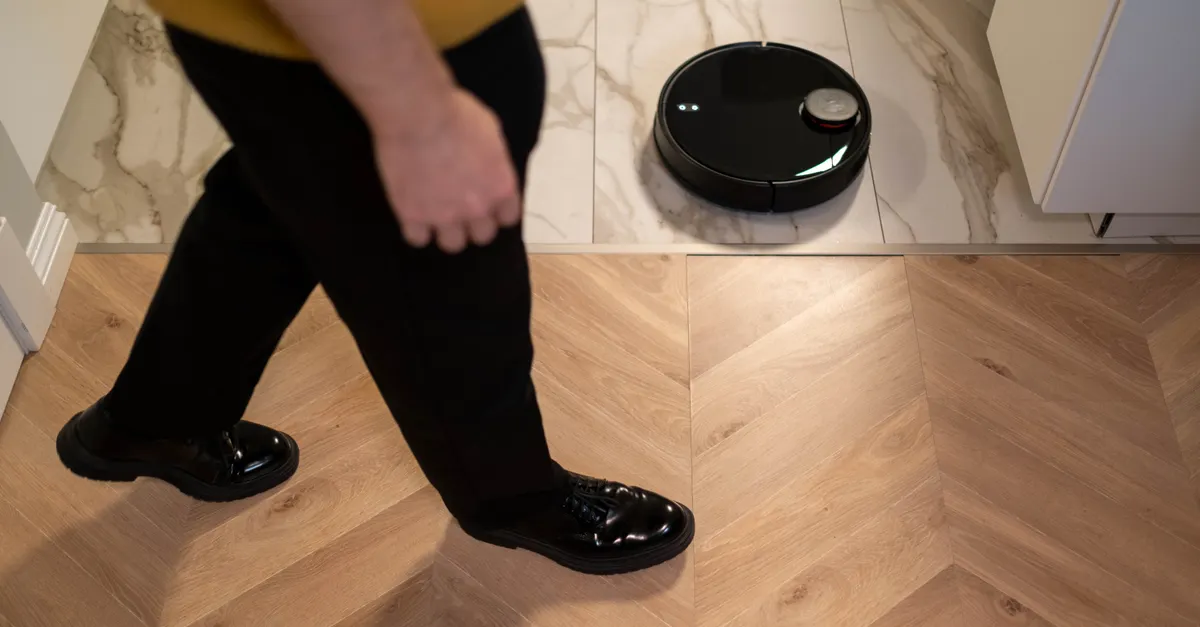

In the modern era, the concept of a smart home is becoming increasingly popular. One of the essential components of this trend is the ability to automate lights with sensors. This technology not only adds convenience but also enhances energy efficiency and security. Understanding how to effectively automate your lighting can transform your living space into a more functional and eco-friendly environment.
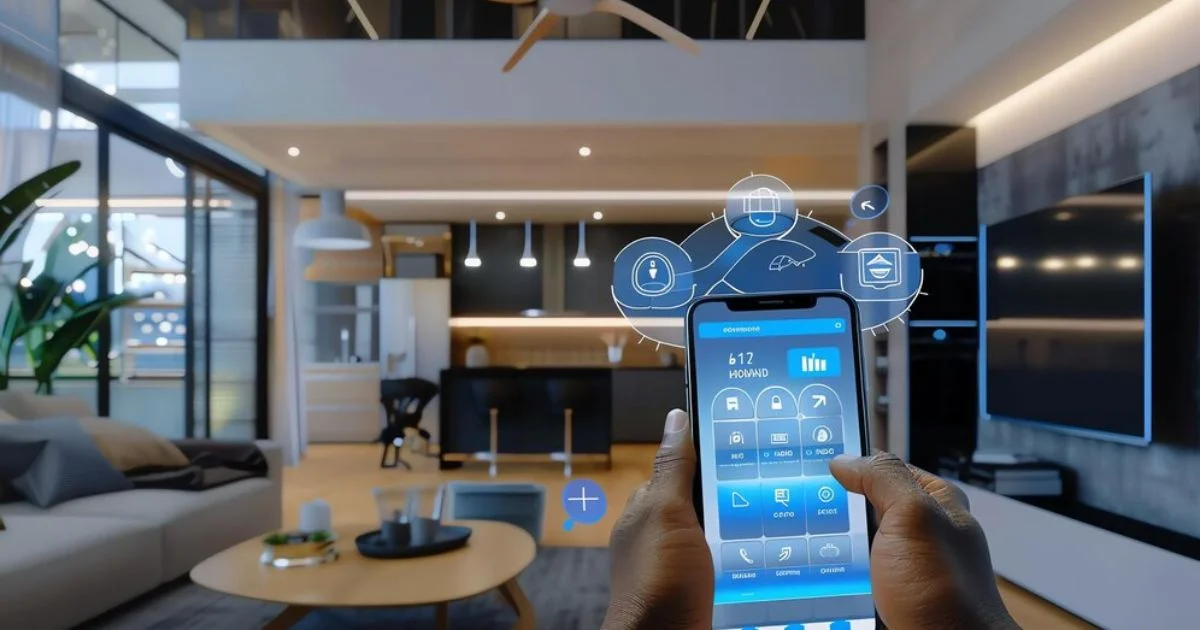
Understanding the Basics of Light Automation
Automating lights involves using sensors and other smart technology to control the lighting in your home. The primary goal is to ensure that lights are only on when needed, thus saving energy and reducing electricity bills. With the advent of smart home technology, it’s easier than ever to integrate these systems seamlessly into your daily life.
Benefits of Automating Lights with Sensors
Energy Efficiency
One of the standout benefits of using sensors to control lights is the potential for significant energy savings. By ensuring lights are only on when necessary, you can reduce your household’s overall energy consumption. Smart home technology can play a crucial role in making your home more sustainable.
Convenience and Comfort
Imagine walking into a room and having the lights turn on automatically. This convenience is one of the primary reasons people choose to automate their lighting. Whether your hands are full or you’re simply looking for a hassle-free lifestyle, automated lighting offers unparalleled ease of use.
Enhanced Security
Automated lighting systems can also enhance your home’s security. By programming lights to turn on and off at specific times, or using motion sensors, you can create the illusion that someone is home even when you’re away, deterring potential intruders.
Types of Sensors Used in Light Automation
Motion Sensors
Motion sensors are perhaps the most common type of sensor used in light automation. These sensors detect movement within a specific area and trigger the lights to turn on or off accordingly.
Ambient Light Sensors
Ambient light sensors detect the level of natural light in a room. When the natural light is insufficient, these sensors can automatically adjust the artificial lighting to maintain a comfortable illumination level.
Occupancy Sensors
Occupancy sensors are designed to detect the presence of people in a room. If the room is empty, the lights are turned off, conserving energy.
Integrating Sensors with Smart Home Systems
Integrating sensors with existing smart home systems can enhance the functionality of your home. Many smart home devices are compatible with platforms like Alexa or Google Home, allowing for seamless control and customization.
Choosing the Right Sensor for Your Needs
When selecting a sensor for your home, consider the specific needs of each room. For example, motion sensors are ideal for areas like hallways or bathrooms, while ambient light sensors work well in living rooms or offices.
Installation Tips for Light Automation
Installing a light automation system can be a straightforward process, especially with the plethora of DIY kits available. However, if you’re not comfortable with electrical work, it’s best to hire a professional to ensure everything is set up correctly and safely.
Common Challenges and Solutions
Like any technology, automating lights with sensors can present challenges. Common issues include false positives from motion sensors or difficulty in integrating with other smart devices. Regular maintenance and updates to your system can help mitigate these issues.
The Future of Light Automation
The future of light automation looks promising, with advancements in AI and machine learning paving the way for more intelligent and responsive systems. As technology evolves, we can expect even greater integration and efficiency from smart lighting solutions.
Cost Considerations
While automating lights with sensors can have an upfront cost, the long-term benefits often outweigh the initial investment. Consider the energy savings, increased security, and convenience when evaluating the cost of installation.
Environmental Impact
Reducing energy consumption through automated lighting can significantly decrease your home’s carbon footprint. By using sensors to manage lighting, you’re contributing to a more sustainable future.
Success Stories
Many homeowners have successfully integrated sensor-based lighting systems into their homes. These success stories often highlight the ease of use, energy savings, and enhanced comfort that come with smart lighting solutions.
Conclusion
Incorporating automate lights with sensors into your home is a step towards creating a smarter, more efficient living space. With the right sensors and system integrations, you can enjoy the benefits of modern technology while making a positive impact on the environment.
FAQs
What are the primary benefits of automating lights with sensors?
Automating lights with sensors offers several benefits, including energy efficiency, convenience, and enhanced security. By ensuring lights are only on when needed, you can save on energy costs and create a more comfortable living environment.
How do motion sensors work in light automation?
Motion sensors detect movement within a designated area and trigger the lights to turn on or off accordingly. They are commonly used in areas such as hallways or bathrooms where lights are needed only when someone is present.
Can I integrate light automation with my existing smart home system?
Yes, most light automation systems can be integrated with existing smart home platforms like Alexa or Google Home, allowing for seamless control and customization of your lighting preferences.
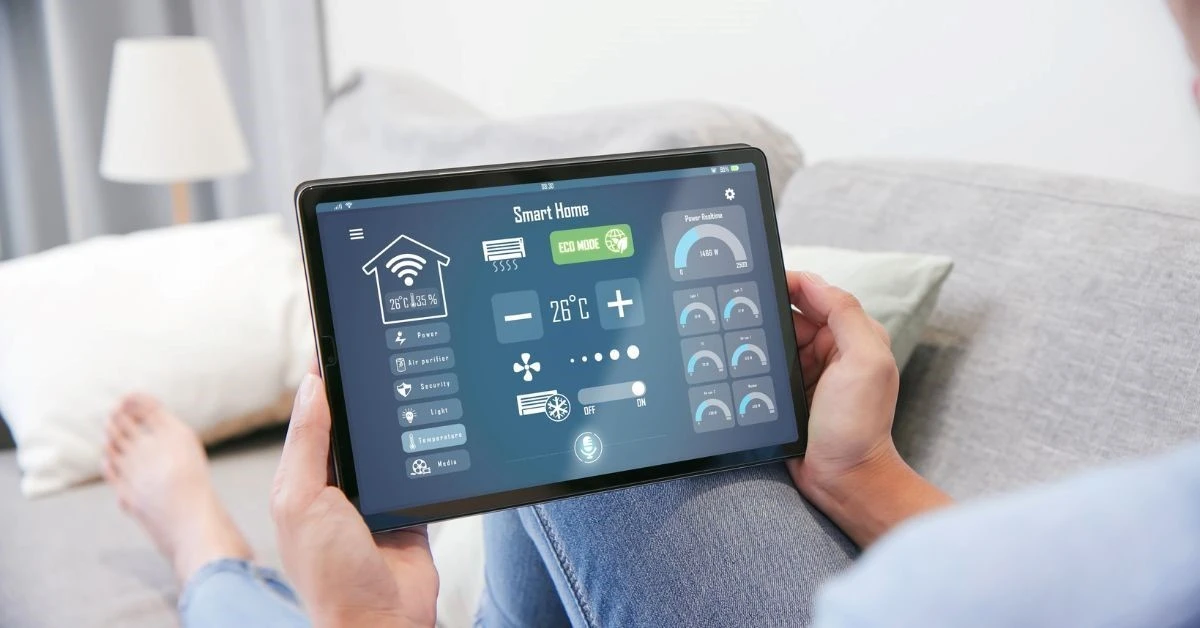
Further Reading
For more details on smart home automation, you can explore The Benefits of Home Automation for additional insights.