
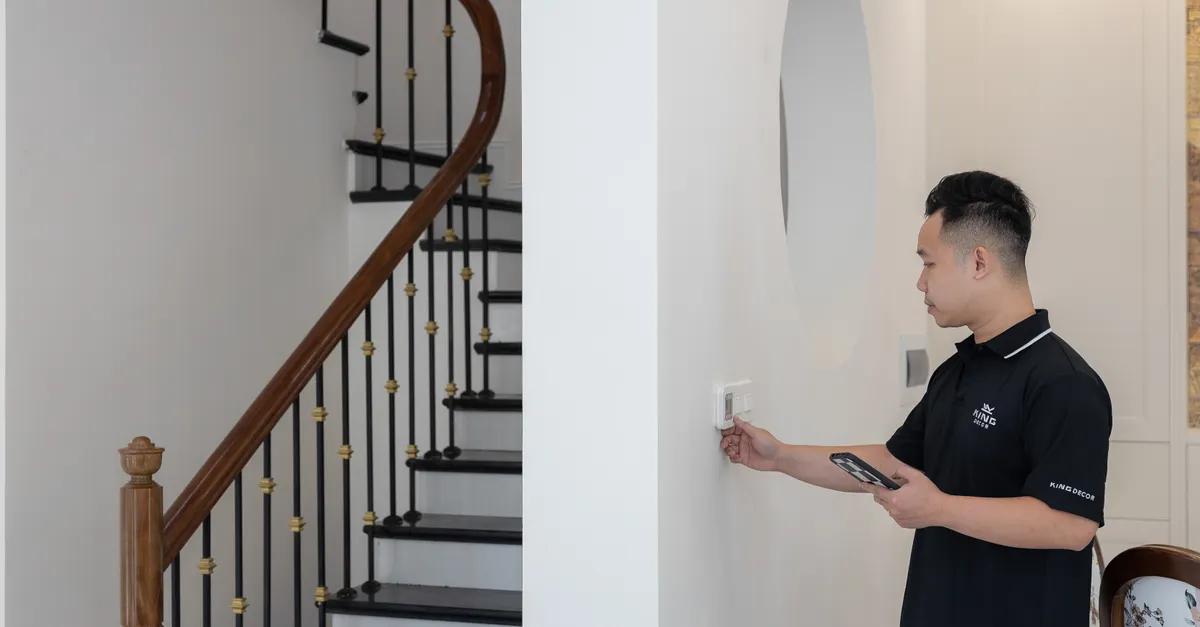
Automated home maintenance is transforming the way households manage energy use, offering smarter, more efficient ways to reduce waste and cut costs. As technology evolves, homeowners are increasingly turning to intelligent systems that monitor, control, and optimize energy consumption. This guide explores how automation and artificial intelligence (AI) are reshaping home energy management, the financial considerations involved, and the practical challenges of integrating these systems with existing infrastructure.
Understanding Automated Home Maintenance and Its Impact on Energy Use
At its core, automated home maintenance for energy efficiency refers to the use of smart devices, sensors, and AI-driven platforms to handle routine tasks that influence a home’s energy footprint. These systems can monitor appliances, adjust settings based on occupancy, and even predict when maintenance is needed to prevent energy loss. The goal is to create a living environment that not only runs smoothly but also minimizes unnecessary energy consumption.
Energy efficiency is a growing priority for many households, driven by rising utility costs and environmental concerns. Automated solutions offer a proactive approach, allowing homeowners to address inefficiencies before they become costly problems. By leveraging real-time data and intelligent automation, these systems can make homes more comfortable and sustainable.
The Role of AI in Optimizing Home Energy Efficiency
Artificial intelligence is at the heart of many modern home automation systems. AI agents can analyze vast amounts of data from sensors and connected devices, learning usage patterns and identifying opportunities to save energy. For example, an AI-powered platform might notice that a home’s heating system runs unnecessarily during certain hours and automatically adjust the thermostat to reduce waste.
One of the most significant contributions of AI is in predictive maintenance. Instead of waiting for an appliance to fail, AI systems can detect early warning signs—such as unusual energy spikes or irregular operation—and alert homeowners before a breakdown occurs. This not only prevents costly repairs but also ensures that devices operate at peak efficiency, further reducing energy consumption.
AI-driven energy optimization goes beyond simple scheduling. These systems can integrate weather forecasts, utility rate changes, and occupancy data to make real-time adjustments. For instance, if a cold front is approaching, the system might preheat the home during off-peak hours, saving money while maintaining comfort. The adoption of AI in home maintenance is a major step toward smarter, more sustainable living.
Smart Technologies That Drive Energy Savings
Several smart technologies are central to improving energy efficiency in homes. Among the most impactful are smart thermostats and smart lighting systems. These devices use sensors and connectivity to adjust settings automatically, ensuring that energy is used only when and where it is needed.
- Smart Thermostats: These devices learn your schedule and preferences, adjusting heating and cooling to match occupancy. According to authoritative sources, smart thermostats can significantly reduce energy use by preventing unnecessary heating or cooling when no one is home.
- Smart Lighting: Automated lighting systems can turn lights on or off based on occupancy or time of day. Some systems also adjust brightness according to natural light levels, further reducing electricity consumption.
- Energy Management Hubs: Centralized platforms can coordinate multiple devices, optimizing the overall energy profile of the home. These hubs often include dashboards that provide insights into usage patterns and suggest ways to improve efficiency.
In addition to these core technologies, smart plugs, window sensors, and automated blinds can all contribute to a more energy-efficient home. By integrating these devices, homeowners can create a comprehensive system that responds dynamically to changing conditions, maximizing savings and comfort.
Analyzing the Costs and Benefits of Automation
One of the most common questions about automated home maintenance for energy efficiency is whether the investment pays off. The initial costs can vary widely depending on the scope of automation, the brands chosen, and the complexity of integration. Basic smart thermostats and lighting systems are relatively affordable, while whole-home automation platforms and AI-driven solutions can require a more substantial upfront investment.
When evaluating costs, it’s important to consider both the purchase price and installation expenses. Some systems are designed for easy DIY setup, while others may require professional installation, especially when integrating with older infrastructure. Ongoing costs, such as software subscriptions or maintenance fees, should also be factored in.
The financial benefits come from reduced energy bills and potentially lower maintenance costs. Smart systems can identify inefficiencies and prevent breakdowns, saving money over time. For many homeowners, the payback period for these investments is measured in years, not months, but the long-term savings—combined with increased comfort and convenience—often justify the expense.
For those interested in a more structured approach, an automated home maintenance checklist can help prioritize upgrades and track ongoing savings, making it easier to assess the return on investment.
Overcoming Integration Challenges in Smart Home Systems
While the benefits of automation are clear, integrating smart systems with existing home infrastructure can present challenges. Many older homes were not designed with connectivity in mind, making it difficult to install new wiring or ensure reliable wireless coverage throughout the property.
Common obstacles include compatibility issues between devices from different manufacturers, limited Wi-Fi range, and the need to retrofit existing systems. Homeowners may also encounter difficulties connecting smart devices to legacy heating, ventilation, or electrical systems.
To address these challenges, it’s important to:
- Choose devices that support open standards and are compatible with popular smart home platforms.
- Invest in a robust home network, including mesh Wi-Fi systems if needed, to ensure reliable connectivity.
- Consult with professionals for complex installations, especially when integrating with older infrastructure.
- Start with a phased approach, upgrading one system at a time to minimize disruption and spread out costs.
By planning carefully and selecting interoperable devices, homeowners can overcome most integration hurdles and build a cohesive, efficient smart home environment.
Looking Ahead: The Future of Automated Energy Management
The landscape of home automation is evolving rapidly, with new technologies and applications emerging every year. Future trends point toward even greater integration of AI, machine learning, and the Internet of Things (IoT), enabling homes to become more adaptive and self-sufficient.
We can expect to see more advanced predictive maintenance tools, deeper integration between appliances and energy providers, and smarter algorithms that optimize energy use based on real-time data. As these technologies become more accessible and affordable, the adoption of automated systems for energy efficiency will likely accelerate, helping homeowners reduce costs and environmental impact.
Ultimately, the shift toward intelligent, automated home maintenance is about more than just convenience—it’s a key strategy for building sustainable, resilient homes that are ready for the future.
Frequently Asked Questions
What are the main benefits of automated home maintenance for energy efficiency?
Automated systems can reduce energy waste, lower utility bills, and improve comfort by adjusting settings based on occupancy and real-time data. They also enable predictive maintenance, preventing costly breakdowns and ensuring appliances run efficiently.
How expensive is it to implement smart home energy management?
Costs vary depending on the scope and complexity of the system. Basic smart thermostats and lighting are relatively affordable, while comprehensive AI-driven platforms may require a higher upfront investment. However, long-term energy savings and reduced maintenance costs can offset these expenses over time.
Can smart home systems be integrated into older homes?
Yes, but integration may require additional planning and investment. Compatibility, network coverage, and retrofitting existing systems are common challenges. Choosing interoperable devices and consulting with professionals can help ensure a smooth transition.




