Managing a home can be time-consuming and costly, especially as modern households juggle busy schedules and rising expenses. Recent advancements in technology are transforming how we approach routine upkeep, introducing automated solutions that promise to make home maintenance more efficient, convenient, and cost-effective. By leveraging smart devices and artificial intelligence, homeowners can now streamline many aspects of property care, from predictive repairs to optimized energy use. This article explores the benefits of automated home maintenance, highlighting how these innovations can enhance daily living, save money, and even improve home security.

Understanding Automated Home Maintenance
Automated home maintenance refers to the use of smart technologies and connected devices to handle routine tasks and monitor the condition of a property. These systems can range from simple programmable thermostats to sophisticated networks of sensors, AI-driven platforms, and remote management tools. The growing popularity of automation in home care is driven by a desire for greater efficiency, reduced manual labor, and the ability to proactively address issues before they become costly problems. As more homeowners seek ways to simplify their lives and protect their investments, automated solutions are becoming an essential part of modern living.
AI’s Impact on Predictive Maintenance and Energy Optimization
One of the most significant benefits of automated home maintenance is the integration of artificial intelligence (AI) into everyday systems. AI agents are capable of analyzing data from sensors and devices throughout the home, allowing them to identify patterns, detect anomalies, and predict when maintenance is needed. This predictive approach means that issues such as HVAC malfunctions, plumbing leaks, or appliance wear can be addressed before they escalate, saving both time and resources.
For example, AI-powered platforms can monitor the performance of heating and cooling systems, alerting homeowners to inefficiencies or impending failures. By acting on these insights early, property owners can avoid emergency repairs and extend the lifespan of their equipment. Additionally, AI contributes to energy optimization by learning household routines and adjusting energy use accordingly. Smart thermostats, lighting, and appliances can be programmed or automatically controlled to minimize waste, resulting in lower utility bills and a reduced environmental footprint.
These intelligent systems not only provide peace of mind but also free up time that would otherwise be spent on manual checks and routine maintenance. As AI continues to evolve, its role in home care will likely expand, offering even more advanced solutions for predictive maintenance and energy management.
Enhancing Convenience and Security with Smart Home Automation
Smart home automation goes beyond basic scheduling and remote control. Today’s systems offer seamless integration between devices, allowing homeowners to manage their environment with ease. Features such as voice-activated assistants, mobile apps, and centralized dashboards make it possible to monitor and adjust settings from anywhere, whether at home or on the go.
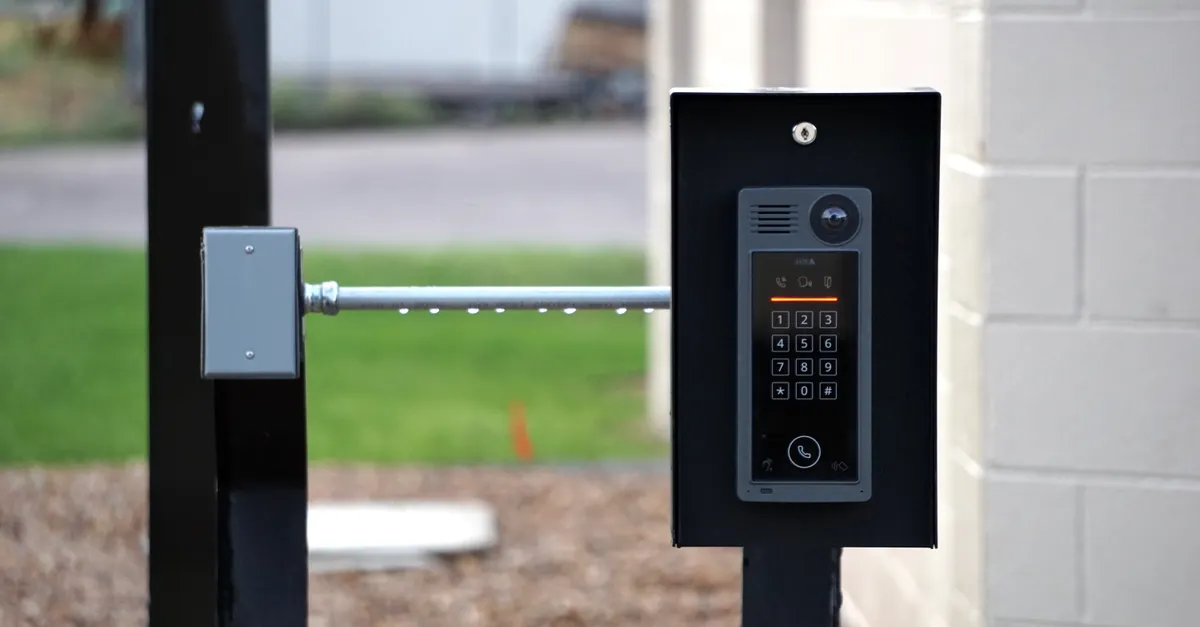
One of the standout benefits of automated home maintenance is the added layer of security it provides. Smart locks, surveillance cameras, and motion sensors can be integrated into a single platform, enabling real-time alerts and remote access. For instance, if a sensor detects unusual activity or a door is left unlocked, the system can notify the homeowner instantly, allowing for quick action. This level of control not only deters potential intruders but also offers reassurance when traveling or managing multiple properties.
Convenience is further enhanced by automation of everyday tasks. Lighting systems can adjust based on occupancy or time of day, while smart irrigation systems ensure lawns and gardens are watered efficiently. These features reduce the need for manual intervention, making it easier to maintain a comfortable and secure home environment.
Energy Efficiency and Cost Savings Through Automation
Another compelling reason to consider automated solutions is the potential for significant energy savings and cost reductions. Intelligent systems such as motion detectors paired with smart lighting can ensure that lights are only on when needed, cutting down on unnecessary electricity use. Similarly, smart thermostats can learn household patterns and adjust heating or cooling to optimize comfort while minimizing energy consumption.
By continuously monitoring usage and making real-time adjustments, these technologies help homeowners avoid waste and lower their monthly utility bills. Over time, the savings can offset the initial investment in smart devices and automation platforms. In addition, predictive maintenance powered by AI can prevent costly breakdowns and extend the lifespan of appliances and systems, further contributing to long-term financial benefits.
For those interested in exploring the latest automated home maintenance solutions, there are a variety of products and systems designed to suit different needs and budgets. As the market continues to grow, options are becoming more accessible and user-friendly, making it easier than ever to start saving energy and money.
Challenges and Barriers to Adoption
Despite the clear advantages, there are still challenges that can make adopting smart home automation difficult for some homeowners. One common barrier is the upfront cost of purchasing and installing new devices or systems. While prices have decreased in recent years, the initial investment can still be a concern, especially for larger properties or those requiring extensive upgrades.
Another challenge is the complexity of integrating multiple devices from different manufacturers. Compatibility issues can arise, making it difficult to create a seamless, unified system. Some users may also feel overwhelmed by the learning curve associated with new technologies, particularly if they are not familiar with smart home platforms or mobile apps.
Privacy and security concerns are also important considerations. As more devices become connected to the internet, the risk of data breaches or unauthorized access increases. Homeowners must take steps to secure their networks and ensure that their devices are regularly updated with the latest security patches.
Finally, there may be resistance to change, especially among those who are accustomed to traditional maintenance routines. Overcoming these barriers requires clear information, reliable support, and ongoing education about the real-world benefits and practicalities of automation.

Looking Ahead: The Future of Automated Home Care
As technology continues to advance, the future of home maintenance is set to become even more automated, intelligent, and user-friendly. AI-driven platforms will likely offer deeper insights and more personalized recommendations, while integration between devices will become smoother and more intuitive. Energy optimization will remain a key focus, with smart systems helping to reduce environmental impact and lower costs.
While challenges remain, the growing adoption of automated solutions suggests that more homeowners are recognizing the value of these technologies. By embracing automation, individuals can enjoy greater convenience, enhanced security, and lasting savings, all while freeing up time to focus on what matters most. As the landscape evolves, staying informed about the latest trends and best practices will help homeowners make the most of the opportunities that automation provides.
Frequently Asked Questions
How does automated home maintenance save time?
Automated systems handle routine tasks and monitor equipment, reducing the need for manual checks and allowing homeowners to focus on other priorities. Predictive maintenance features can also alert users to potential issues before they become major problems, streamlining the upkeep process.
Are automated systems difficult to install and use?
Many modern solutions are designed for easy installation and user-friendly operation. While some setups may require professional assistance, most smart devices can be integrated with minimal technical knowledge, and manufacturers often provide clear instructions and support.
What are the main security benefits of smart home automation?
Smart home systems enhance security by offering real-time monitoring, instant alerts, and remote access to locks, cameras, and sensors. These features allow homeowners to respond quickly to potential threats and maintain greater control over their property, even when away from home.