
The integration of artificial intelligence into elderly home care is transforming how support is delivered to aging populations worldwide. From smart monitoring systems to conversational robots, AI-driven solutions are addressing challenges such as caregiver shortages, safety concerns, and the need for personalized attention. This article explores real-world examples and case studies of AI in elderly home care, highlighting both the benefits and the practical considerations for families, caregivers, and healthcare providers.
As the demand for innovative home care solutions grows, understanding how AI is applied in real settings becomes essential. For those interested in a broader overview of available technologies, our resource on AI devices for elderly living alone provides additional insights into the latest tools supporting independent living.
How AI Is Transforming Home Care for Seniors
The use of AI-powered technologies in senior care is rapidly expanding. These solutions range from robotic assistants and health monitoring devices to advanced software that predicts health risks. The following sections detail several notable case studies, illustrating the impact of these innovations on daily life and care delivery.
Robotic Companions: Addressing Loneliness and Daily Needs
Social isolation is a significant concern for older adults, especially those living alone. In Japan, where the aging population is among the highest in the world, AI-driven robots like AIREC have been deployed to support both physical and emotional needs. These robots can assist with lifting, mobility, and even provide reminders for medication or hydration.
According to recent reports on AI companions in elder care, these technologies not only help with daily activities but also offer interactive conversations that reduce feelings of loneliness. The robots are equipped with sensors and machine learning algorithms to adapt to each resident’s preferences and routines.
Remote Health Monitoring and Predictive Analytics
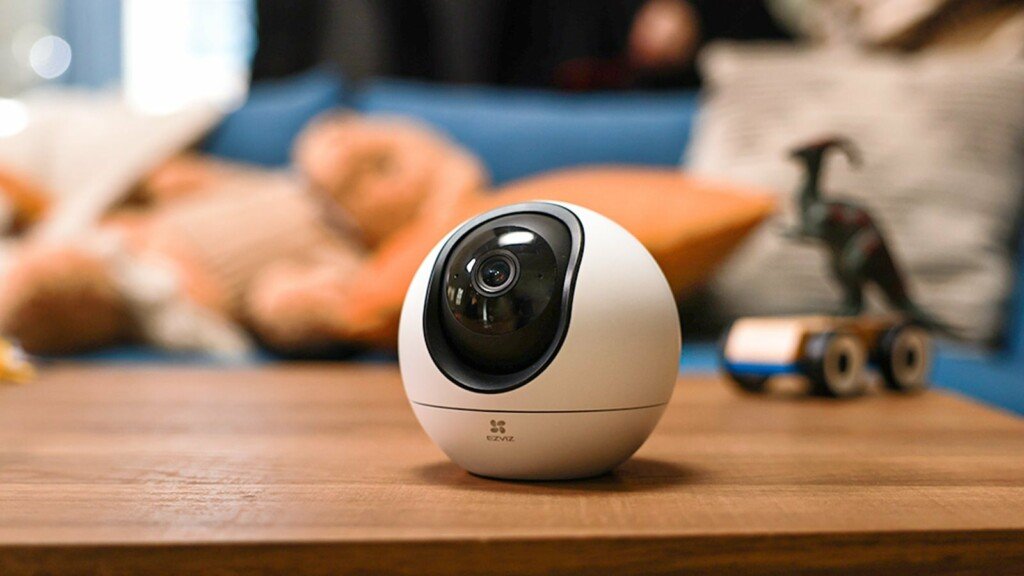
Another area where AI case studies in elderly home care stand out is remote health monitoring. Wearable devices and smart cameras can track vital signs, detect falls, and alert caregivers or family members in real time. These systems often use predictive analytics to identify early warning signs of health deterioration, enabling timely interventions.

For instance, in the United States and Europe, several home care agencies have adopted AI-enabled platforms that integrate with smartwatches and home sensors. These platforms monitor heart rate, sleep patterns, and movement, sending alerts if anomalies are detected. Such systems have been credited with reducing emergency hospitalizations and improving overall quality of life for seniors.
Readers interested in more real-world applications can explore our article on real world examples AI senior care for further case-based insights.
Conversational AI and Virtual Assistants
Voice-activated assistants and conversational AI are making it easier for older adults to manage their daily routines and stay connected. These systems can answer questions, control smart home devices, and even facilitate video calls with family or healthcare professionals.
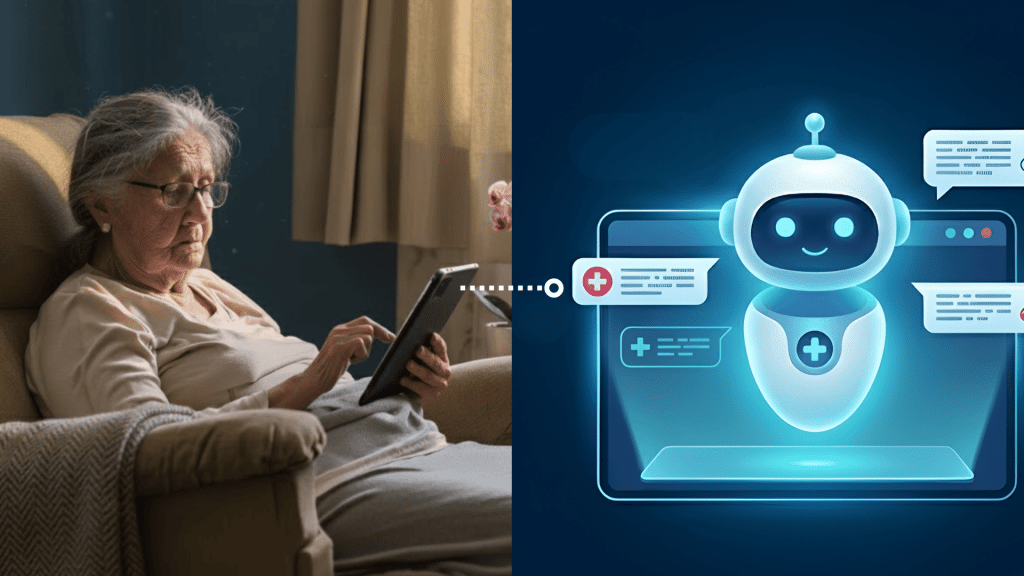
In a notable deployment, a European senior living community implemented a conversational AI platform that provided residents with medication reminders, appointment scheduling, and emergency assistance. Feedback from both residents and staff highlighted increased independence and reduced stress, as the system could handle routine requests and escalate urgent needs to human caregivers when necessary.
Challenges and Considerations in AI-Driven Home Care
While the benefits of AI in elderly home care are significant, several challenges must be addressed for widespread adoption. Privacy concerns, data security, and the risk of algorithmic bias are ongoing issues. Ensuring that AI systems are transparent, reliable, and compliant with healthcare regulations is critical.
For those evaluating AI solutions, it’s important to consider standards and best practices. Our overview of AI standards for home care technology offers guidance on what to look for in compliant and ethical AI products.
Another consideration is the digital literacy of seniors and caregivers. Training and support are essential to maximize the benefits of these technologies and minimize frustration or misuse.
Ethical and Regulatory Aspects
The use of AI in sensitive environments like home care requires careful attention to ethics and compliance. Issues such as informed consent, data ownership, and the potential for bias in decision-making algorithms must be managed proactively.
For a deeper dive into these topics, see our article on AI bias in elderly healthcare AI, which discusses risks and solutions for ensuring fairness and transparency in AI-powered care.
Additionally, compliance with healthcare regulations is a must. Home care providers should familiarize themselves with requirements discussed in AI healthcare compliance seniors to ensure safe and legal implementation.
Future Outlook for AI in Senior Home Care
The future of AI in supporting older adults at home looks promising. As technology advances, we can expect even more personalized, adaptive, and unobtrusive solutions. Integration with telemedicine, smart home systems, and community resources will further enhance the quality and accessibility of care.
Collaboration between technology developers, healthcare professionals, and end users will be key to ensuring that AI solutions remain effective, ethical, and user-friendly. Ongoing research and transparent case studies will continue to shape best practices and inform policy decisions.
Frequently Asked Questions
What are the main benefits of using AI in elderly home care?
AI technologies can improve safety, provide real-time health monitoring, reduce loneliness through companionship, and support caregivers by automating routine tasks. These benefits help seniors maintain independence and improve their quality of life.
Are there privacy concerns with AI monitoring systems?
Yes, privacy and data security are important considerations. It’s essential to choose AI solutions that comply with relevant regulations, use encrypted data transmission, and provide clear consent options for users and families.
How can families choose the right AI solution for their loved ones?
Families should assess the specific needs of their loved ones, consider ease of use, check for compliance with industry standards, and seek feedback from other users. Consulting with healthcare professionals and reviewing trusted resources can also help in making informed decisions.