The journey into DIY home automation is an exciting one, especially for creative professionals who are always looking for innovative ways to enhance their environments. Imagine controlling your home’s lighting, temperature, and security systems with just a few clicks or voice commands. With the right tools and knowledge, anyone can transform their living space into a smart home. In this article, we will delve deep into the world of DIY home automation and explore how creative professionals can benefit from implementing these technologies in their homes.
What is DIY Home Automation?
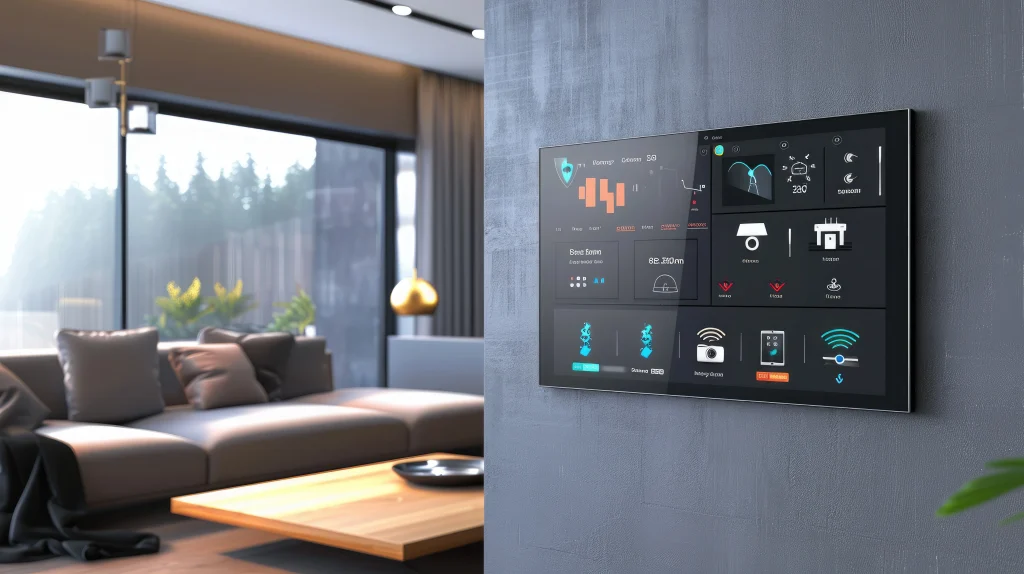
DIY home automation refers to the process of setting up automated systems in your home without hiring professionals. This means you can customize your smart home systems according to your preferences and needs. Whether it’s controlling your lights remotely or setting your thermostat to adjust to your schedule, DIY home automation offers endless possibilities.
Benefits of Home Automation for Creative Professionals
The integration of technology into daily life helps creative professionals streamline their work processes and free up time for what truly matters. Some of the key benefits include:
Increased Productivity
Automating routine tasks allows more time for creativity and focus. For instance, setting automated reminders or controlling your workspace lighting can create an optimal environment for productivity.
Enhanced Security
With DIY home automation, you can set up security systems that alert you of any unusual activities. This peace of mind allows you to concentrate on your work without worrying about home security.
Energy Efficiency
By automating your thermostat and lighting, you can reduce energy consumption and save on utility bills. This is not only beneficial for your wallet but also for the environment.
Getting Started with DIY Home Automation
Embarking on your DIY home automation journey requires some planning and research. Here are some steps to get you started:
Identify Your Needs
Determine what you want to automate in your home. Is it lighting, security, or climate control? Knowing your needs will help you choose the right devices and systems.
Research and Choose the Right Devices
There are numerous smart home devices available in the market. Research the features and compatibility of each device to ensure it meets your requirements.
Installation and Setup
Most DIY home automation devices come with installation guides. Follow these instructions carefully to set up your devices. You might also find helpful video tutorials online.
Popular DIY Home Automation Systems
Several systems stand out for their ease of use and reliability:
Smart Lighting
Automated lighting systems allow you to control lights remotely, set schedules, and even change colors to suit your mood. Companies like Philips Hue and LIFX offer excellent smart lighting solutions.
Smart Thermostats
Devices like the Nest Learning Thermostat adjust the temperature based on your habits, helping you save energy and stay comfortable.
Smart Security Systems
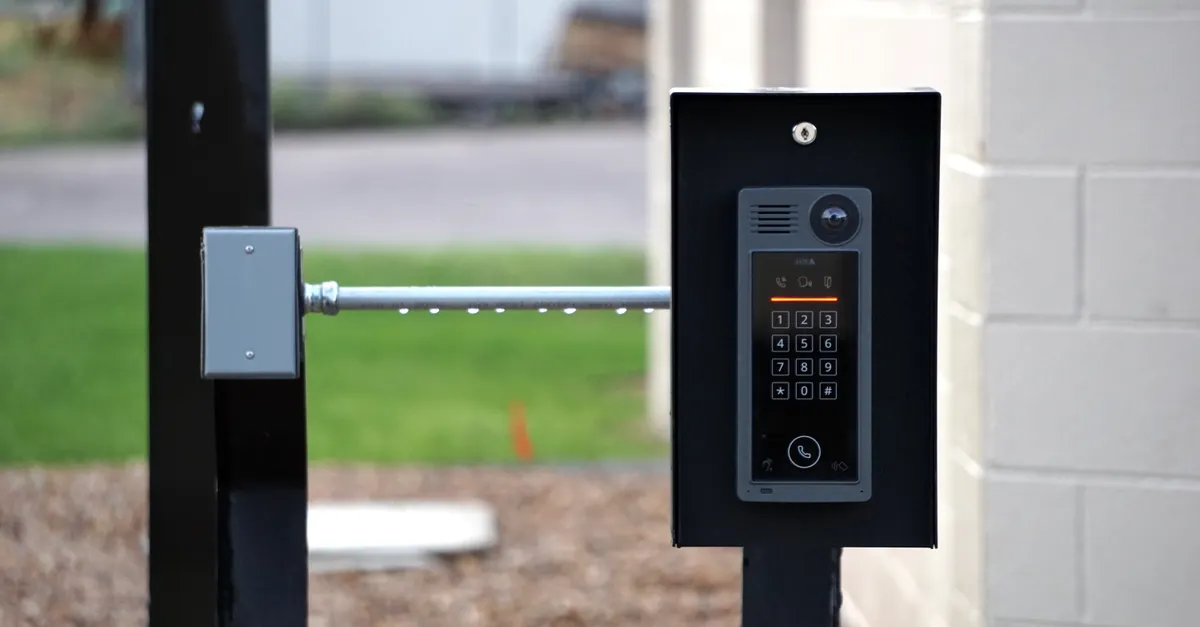
Brands like Ring and Arlo offer comprehensive security systems that include cameras, motion sensors, and alarms, ensuring your home is always protected.
Integrating Voice Control
Voice control enhances the convenience of DIY home automation. Devices like Amazon Echo or Google Home allow you to control your smart home systems using voice commands. This feature is particularly beneficial for creative professionals who may be busy with hands-on tasks.
Challenges and Solutions
While DIY home automation has many advantages, there are some challenges you might face:
Compatibility Issues
Not all devices are compatible with each other. Ensure that the devices you choose can work together seamlessly. Checking compatibility before purchasing can save you time and frustration.
Technical Difficulties
Setting up and troubleshooting devices can be challenging, especially for beginners. Online forums and communities can be a great resource for finding solutions and getting advice from experienced smart home enthusiasts.
Future of DIY Home Automation
The future of DIY home automation is bright, with advancements in AI and IoT making smart homes more accessible and intuitive. As these technologies evolve, creative professionals will find even more ways to integrate automation into their lives.
Conclusion
DIY home automation offers a world of possibilities for creative professionals looking to enhance their living and working environments. By automating routine tasks, improving security, and increasing energy efficiency, you can create a smart home that supports your creative pursuits. For more insights on the advantages of home automation, visit this article.
FAQs
Is DIY home automation difficult to set up?
While it can be challenging at first, most devices come with user-friendly guides and online tutorials that make the process easier.
What are the costs involved in DIY home automation?
Costs can vary depending on the devices and systems you choose. However, with proper planning, you can start small and gradually expand your smart home setup.
Can I integrate different brands of smart devices?
Yes, but it’s important to ensure compatibility. Many devices work with common platforms like Amazon Alexa, Google Assistant, and Apple HomeKit, allowing you to mix and match different brands.