
Upgrading your home’s lighting with smart automation can make a significant difference in both your energy consumption and your monthly utility bills. By integrating automated controls, sensors, and efficient bulbs, you can enjoy a more comfortable living environment while reducing waste and saving money. This guide explores practical energy efficient lighting automation tips that are easy to implement and deliver long-term benefits.
Whether you’re just starting with smart lighting or looking to optimize your existing setup, understanding the basics and best practices is key. For those interested in how lighting automation can transform specific spaces, check out our resource on smart lighting for bedroom ideas to create a restful oasis tailored to your needs.
Why Automate Your Home Lighting?
Automating your lighting system offers more than just convenience. Smart controls and energy-saving bulbs can help you:
- Reduce electricity usage by ensuring lights are only on when needed
- Enhance comfort and ambiance with customizable settings
- Increase home security by simulating occupancy
- Lower maintenance costs through longer-lasting LED bulbs
Modern smart lighting solutions allow you to schedule, dim, and control lights remotely. For a deeper dive into how these technologies compare to traditional setups, see our smart lighting power usage comparison for detailed insights.
Choosing the Right Smart Bulbs and Fixtures
One of the first steps in creating an efficient system is selecting the right hardware. Look for LED bulbs with smart features, as they use up to 80% less energy than incandescent bulbs and last much longer. Many smart bulbs offer adjustable brightness and color temperature, allowing you to tailor lighting to each room’s needs.
When shopping for smart lighting, consider compatibility with your preferred ecosystem (such as Alexa, Google Home, or Apple HomeKit). This ensures seamless integration and control. For those new to smart lighting, starter kits like Philips Hue or Kasa Smart are popular choices that offer easy setup and reliable performance.
Smart Sensors and Automated Controls
Adding motion sensors and occupancy detectors is one of the most effective energy efficient lighting automation tips. These devices automatically turn lights on when someone enters a room and off when the space is empty, eliminating wasted energy from forgotten lights. Consider installing sensors in:
- Hallways and staircases
- Bathrooms
- Closets and utility rooms
- Garages and basements
Pairing sensors with dimmable smart bulbs allows you to set lower light levels during nighttime hours, further reducing consumption. Many smart home platforms also let you create routines or “scenes” that adjust lighting based on time of day or occupancy.
Scheduling and Remote Access for Maximum Savings
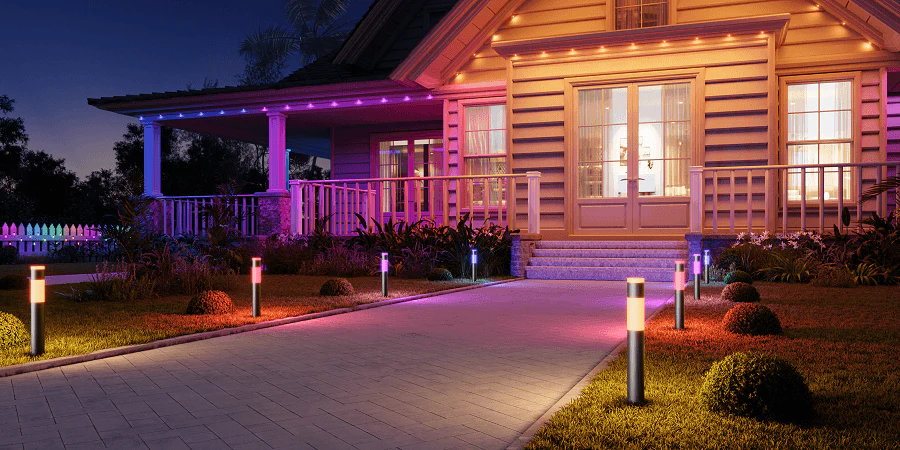
Scheduling is a core feature of most smart lighting systems. By setting lights to turn on and off at specific times, you can ensure that energy is only used when necessary. For example, schedule porch lights to turn off at sunrise or living room lights to dim in the evening for relaxation.
Remote access via smartphone apps means you can control your lights from anywhere. This is especially useful for travelers or busy households, as you can check and adjust lighting even when away from home. For more on the real costs and savings, read our smart lighting energy consumption explained article.

Integrating Lighting Automation with Other Smart Devices
For a truly connected home, consider linking your lighting automation with other smart devices. For instance, you can synchronize lights with smart thermostats or security systems to optimize both comfort and energy use. Some platforms allow you to trigger lights based on weather, sunrise/sunset, or even your location using geofencing.
Combining lighting with voice assistants adds another layer of convenience. Simple voice commands can turn lights on or off, adjust brightness, or activate preset scenes, making it easier to manage your home’s energy use on the fly.
Advanced Strategies for Reducing Lighting Costs
To maximize savings, use advanced features like adaptive lighting, which automatically adjusts color temperature and brightness throughout the day. This not only saves energy but also supports healthy sleep cycles and productivity. For more strategies on lowering your utility bills, see our smart lighting cost savings guide.
Another tip is to regularly review your lighting schedules and usage data. Many smart lighting apps provide insights into energy consumption, helping you identify areas for improvement. Replacing outdated fixtures and bulbs with the latest energy-efficient models can also yield significant long-term savings.
Common Mistakes to Avoid with Lighting Automation
While smart lighting offers many benefits, there are a few pitfalls to watch out for:
- Over-scheduling lights, leading to unnecessary use
- Ignoring compatibility between bulbs, switches, and hubs
- Neglecting firmware updates, which can impact efficiency and security
- Placing sensors in areas with frequent false triggers (e.g., near windows with moving curtains)
Careful planning and regular maintenance help ensure your automated lighting system delivers optimal performance and savings.
Further Reading and Resources
If you’re interested in learning more about the benefits and practicalities of smart lighting, this comprehensive overview of smart lighting and its advantages provides additional insights. For ideas on enhancing comfort and style in your living room, our smart lighting for living room guide is another valuable resource.
FAQ
What are the main benefits of automating home lighting?
Automated lighting systems help reduce energy waste, lower utility bills, and improve convenience. They also enhance home security and allow for personalized lighting scenes that match your lifestyle.
How much energy can I save with smart lighting?
Switching to LED smart bulbs and using automation features like scheduling and sensors can cut lighting-related energy use by up to 50% or more, depending on your previous setup and usage habits.
Is it difficult to install smart lighting automation?
Most smart bulbs and switches are designed for easy installation and can often be set up without professional help. Many systems are plug-and-play and only require a compatible app and Wi-Fi connection.
Can I control smart lighting when I’m not at home?
Yes, most smart lighting platforms offer remote control via smartphone apps, allowing you to adjust lights from anywhere with an internet connection.
Do smart lighting systems work with existing fixtures?
In most cases, smart bulbs can be used in standard fixtures. For switches and dimmers, check compatibility with your wiring and bulb types before installation.