Modern washing machines have evolved far beyond simple dials and timers. Today’s AI-powered washers use advanced sensors and intelligent algorithms to select the most efficient and effective wash cycles for every load. If you’ve ever wondered how do AI washers choose cycles, this article will break down the technology, the decision-making process, and the real-world benefits for your laundry routine.
Understanding the inner workings of these smart appliances can help you make better use of their features and ensure your clothes are cleaned with care and efficiency. We’ll also connect you to related innovations in smart home technology, such as ai battery management systems for homes, to illustrate how artificial intelligence is transforming daily life.
Understanding the Technology Behind Smart Washers
At the heart of every AI-enabled washer is a combination of sensors, microprocessors, and machine learning software. These components work together to analyze each laundry load and determine the optimal washing parameters. The process typically involves:
- Load Sensing: The washer detects the weight and volume of clothes using pressure or weight sensors.
- Fabric Recognition: Some models use optical sensors or conductivity measurements to identify fabric types and soil levels.
- Water Quality and Temperature: Sensors monitor incoming water hardness, temperature, and sometimes even detergent concentration.
- Cycle Adjustment: Based on the data, the AI system selects a wash cycle, adjusts spin speed, water level, and wash time for optimal results.
This intelligent approach not only improves cleaning performance but also conserves water and energy, making these washers more sustainable than traditional models.
How AI Washers Decide on the Right Wash Cycle
So, how do AI washers choose cycles for different laundry loads? The answer lies in their ability to process multiple data points in real time. Here’s a closer look at the decision-making process:
- Initial Sensing: When you load the washer and close the door, sensors immediately assess the size and type of the load.
- Soil Level Detection: Some washers agitate the load briefly and analyze the water for dirt and detergent residue, estimating how dirty the clothes are.
- Fabric Analysis: Advanced models can distinguish between cotton, synthetics, delicates, and mixed loads, either through direct fabric sensing or by interpreting user input.
- Cycle Optimization: The AI system references a database of wash programs and selects the best match, tweaking parameters like temperature, agitation, and rinse cycles.
- User Preferences: Many washers learn from your habits over time, remembering frequently used settings and making personalized recommendations.
This process happens quickly and automatically, taking the guesswork out of laundry and reducing the risk of damage or poor cleaning.
Benefits of Intelligent Cycle Selection
AI-driven washers offer several advantages over conventional machines. By leveraging smart technology, these appliances deliver:
- Improved Cleaning Results: Cycles are tailored to the specific needs of each load, ensuring stains are removed without damaging fabrics.
- Resource Efficiency: Water and energy usage are minimized by adjusting cycle length and intensity based on actual load requirements.
- Time Savings: No more manual guesswork—just load your clothes and let the washer handle the rest.
- Longer Garment Life: Gentle cycles are automatically selected for delicates, helping clothes last longer.
- Personalization: The more you use your washer, the better it becomes at predicting your preferences and optimizing its performance.
These benefits make AI washers an attractive choice for households seeking convenience, sustainability, and peace of mind.
How AI Washers Compare to Traditional Machines
Unlike older models that rely on preset cycles, AI-powered washers adapt to each load’s unique characteristics. Here’s a brief comparison:
| Feature | Traditional Washers | AI-Powered Washers |
|---|---|---|
| Cycle Selection | User manually selects preset cycles | Automatic, based on load and fabric analysis |
| Resource Use | Fixed water and energy consumption | Optimized for each load, reducing waste |
| Cleaning Performance | May not match load needs | Customized for best results |
| Learning Capability | None | Adapts to user habits over time |
This adaptability is a key reason why many homeowners are upgrading to smart appliances as part of a broader move toward intelligent living spaces. For those interested in integrating more AI into their homes, resources like the ai mesh networks for homes guide offer valuable insights.
AI Washers and the Future of Smart Homes
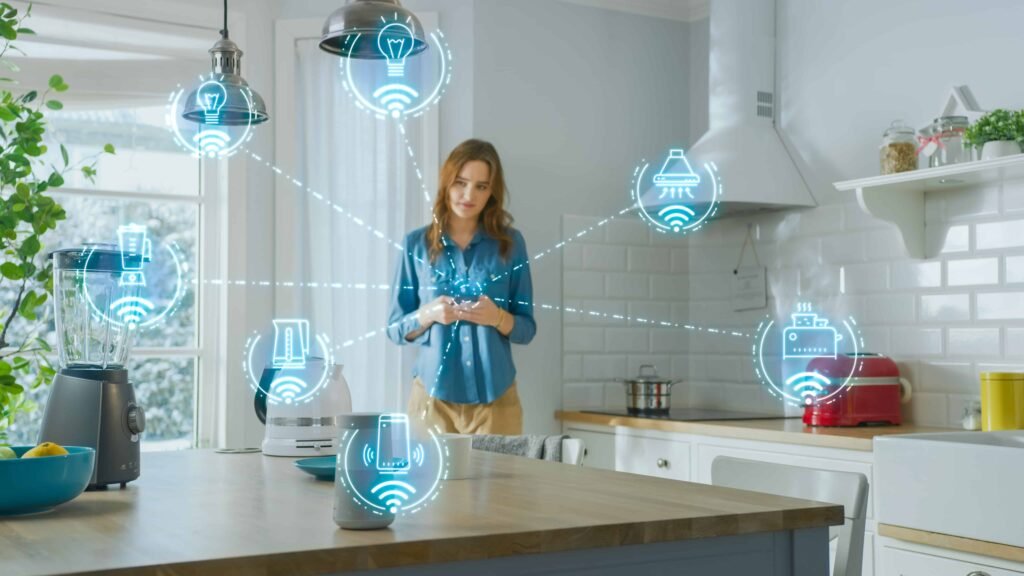
The integration of artificial intelligence into everyday appliances is just one example of how technology is reshaping home life. AI washers are often part of a connected ecosystem, communicating with other smart devices to optimize energy use and convenience. For example, some washers can coordinate with smart thermostats or home energy management systems to run cycles during off-peak hours, saving money and reducing environmental impact.
As AI continues to advance, we can expect even more sophisticated features, such as predictive maintenance alerts, remote diagnostics, and seamless integration with voice assistants. For a broader look at how AI is being used in portable devices, see this overview of portable AI technology.
Those interested in further exploring the intersection of AI and home automation can benefit from resources like ai home automation programming basics and ai predictive analytics in smart homes, which provide practical advice for building smarter living environments.
Common Features in AI-Driven Washers
When shopping for a smart washer, look for these popular features that enhance the laundry experience:
- Auto-Dispensing: Automatically adds the right amount of detergent and softener for each load.
- Remote Control: Start, pause, or monitor cycles from your smartphone.
- Maintenance Alerts: Get notified when it’s time to clean the drum or check for issues.
- Custom Programs: Save your favorite settings for quick access.
- Integration with Smart Home Platforms: Connect with other devices for a seamless experience.
These features, combined with intelligent cycle selection, make AI washers a valuable addition to any modern home.
FAQ
How accurate are AI washers at detecting fabric types?
Most AI washers use a combination of sensors and user input to identify fabric types. While not perfect, they are generally accurate enough to distinguish between major categories like cotton, synthetics, and delicates, ensuring appropriate cycle selection for most loads.
Can I override the cycle chosen by my AI washer?
Yes, nearly all smart washers allow users to manually select or adjust cycles if they prefer. The AI recommendations are designed to simplify the process, but user control is always available for special loads or personal preferences.
Are AI washers more energy-efficient than regular machines?
Yes, by tailoring each wash to the specific load, AI washers typically use less water and energy than traditional models. This can lead to lower utility bills and a reduced environmental footprint over time.